How to Add AC to a Room Without Ducts: A DIY Homeowner's Guide
Key Takeaways
- For a single room in an old house without existing ductwork, a ductless mini split heat pump is usually the best balance of comfort, energy efficiency and noise - and most systems can be installed in just one to two days.
- Window units are usually cheapest up front but they can use the most energy, make the most noise and might not last as long. Portable units can work if you rent or you only need something for a short time.
- Ductless mini splits give you both heating and cooling, and because they don't lose air through ducts they can be up to 30% more efficient than ducted systems.
- Any project involving new electrical wiring or cutting into an exterior wall may require permits and a licensed pro - skipping that step can mean fines in many jurisdictions, including mine.
Cooling a Single Room with No Ducts
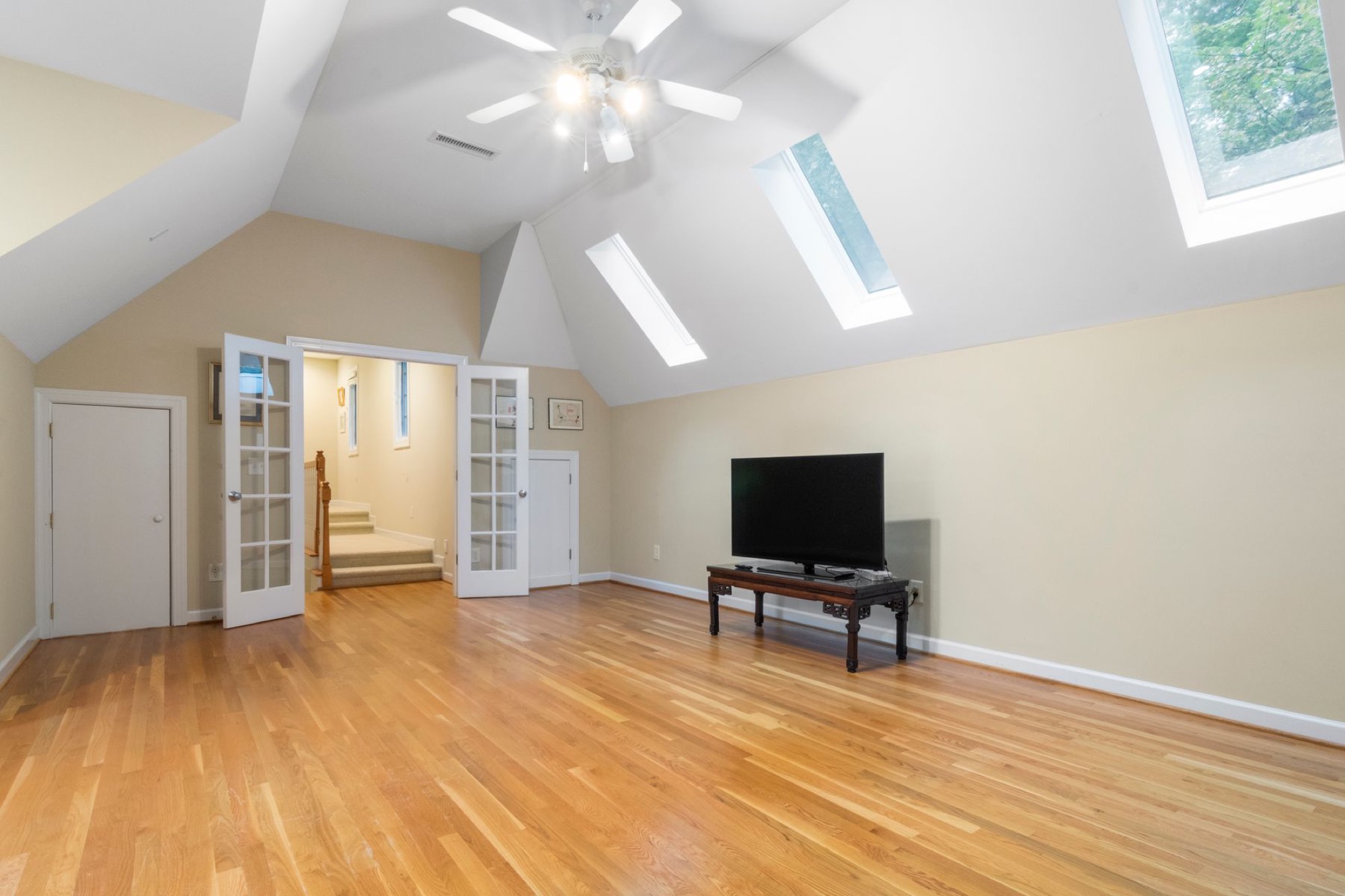
How to add AC to a room without ducts is something I had to work out for my own place. I live in an older home in Wilmington, North Carolina and like a lot of houses around here, mine has central air that covers most of the first floor but does not reach a couple of rooms. My bonus room over the garage? There are no ducts, no vents and no cool air in July. Just heat and humidity.
AC Options for a Room Without Ducts
| Option | Installed Cost (2026) | Heating Too? | Noise (Indoor) | Best For |
|---|---|---|---|---|
| Ductless mini split | $2,000–$5,500 (single zone) | Yes (heat pump) | 19–26 dB (low speed) | Long-term comfort, single room or zones |
| High velocity system | $10,000–$25,000 (whole house) | Yes (with heat coil) | Moderate (register hiss) | Whole-house retrofit, historic homes |
| Window / through-the-wall unit | $150–$500 (unit only) | Cooling only (most) | 50–65 dB | Low upfront cost, short-term fix |
| Portable AC | $250–$700 | Cooling only | 55–70 dB | Renters, temporary, can't alter building |
For most single-room situations, the realistic contenders are a ductless mini split for long-term comfort and energy savings, or a window unit for low upfront cost. High velocity systems shine when you're retrofitting an entire home - not just one bedroom. Portable units are a quick fix for temporary cooling needs, but they're the least efficient option on this list.
Option 1: Ductless Mini Split Systems (Best All-Around Choice)
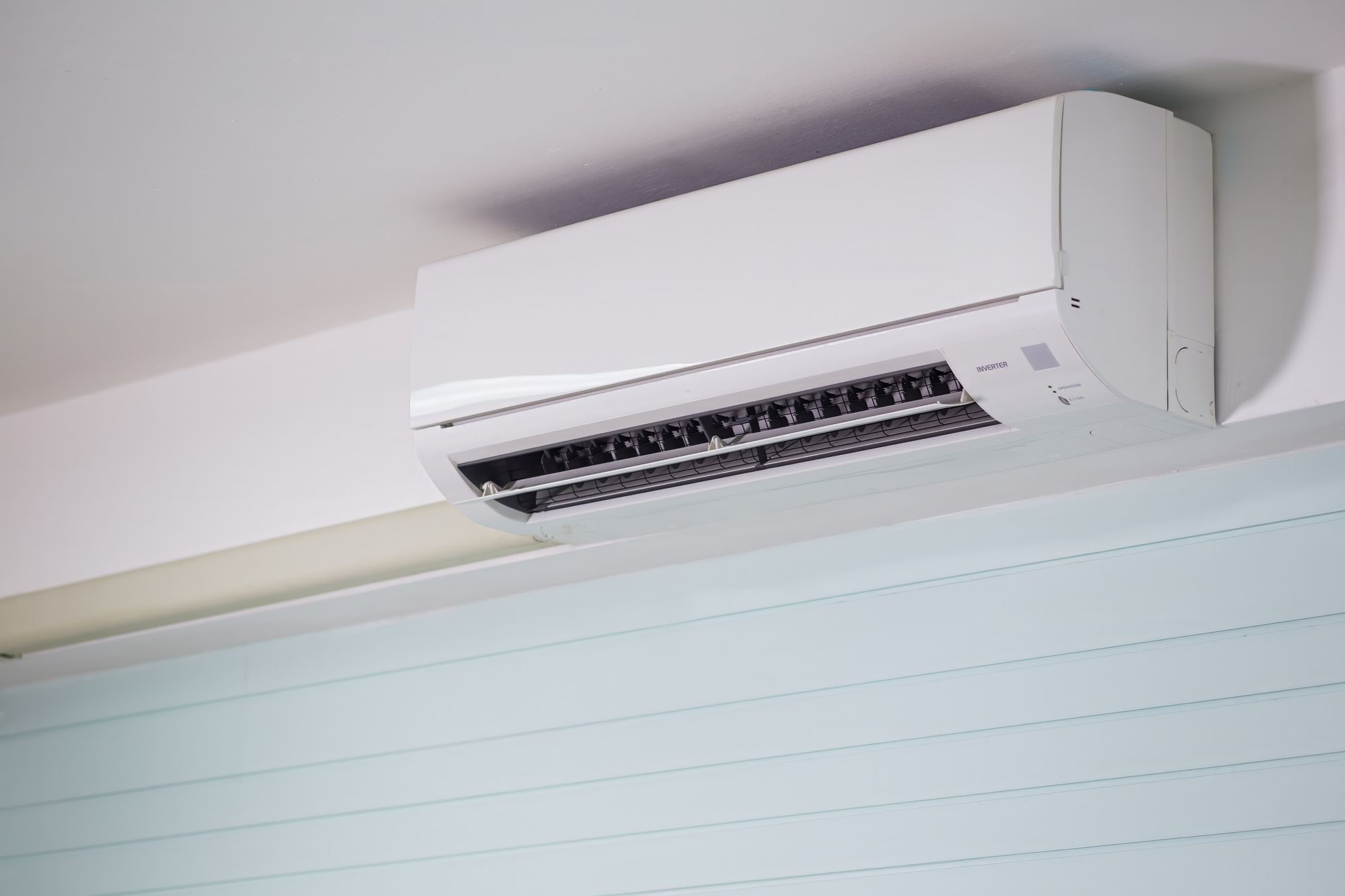
A ductless system has an outdoor compressor with one or more indoor air handlers, connected by small refrigerant lines that run through a small hole in the wall - usually 3 to 4 inches. There are no big sheet metal ducts, no drop ceilings full of ductwork, and you do not need a major renovation.
Depending on the season, the outdoor unit is moving heat in or out of the room. The indoor unit blows conditioned air directly into the space, so you skip the ductwork losses you'd get with central AC. For a single room in an old house, this is a great solution: you get excellent energy savings, quiet operation, solid dehumidification (this is critical in humid climates like coastal NC), and precise temperature control. Most ductless systems can be installed in just one to two days. That is a fraction of the time you need for installing ductwork through finished walls.
Single-Zone vs. Multi-Zone Ductless Mini Splits
When you are adding cooling to just one room, a single zone mini split is the simple choice: one outdoor unit paired with one indoor unit, usually mounted high on the wall. This setup works well for a bonus room, a finished attic, a garage or a sunroom that isn't tied into your central AC.
If you've got several rooms that need help - say a whole second floor with no ducts - a multi-zone system hooks one outdoor unit up to two, three or four indoor heads. Each indoor unit in a mini split can be controlled on its own, so your home office stays at 72°F while the guest bedroom stays off.
Single-zone is simpler to size, cheaper to put in and usually the right call for one stubborn hot room. Multi-zone is starting to compete with upgrading or adding to your existing central air, and the cost goes up fast - $8,000 to $18,000 for multi-zone installs depending on how many heads you need.
How Ductless Mini Splits Save Energy
Modern mini splits use inverter technology. That means the outdoor compressor is changing its speed to match what the room actually needs instead of turning on and off full force like older HVAC systems. This keeps temperature and humidity steady, and that matters a lot in humid climates.
Ductless mini splits get rid of the losses that come from ductwork. That can improve efficiency by up to 30% compared to ducted systems. You're only conditioning the room or zones you are actually using, not pushing cooled air through leaky ductwork in a hot attic. A field study in Minnesota found that replacing window units with ductless air conditioners cut cooling energy use by about 80%.
Other No-Duct Cooling Options for Window, Wall, Portable and High Velocity
Window units are self-contained air conditioners that sit in a window frame. They plug into a regular outlet, cool spaces fast and don't cost much - often $150 to $500. The tradeoff: they are noisy (usually 50–65 dB), they block your window, they can be drafty around the sides. They do not look great from outside. They're also easier to fully DIY.
Portable air conditioners vent hot air through a hose that goes out a window and sit on the floor inside the room. They are the easiest option for a rental or anywhere you can't change the building. But portable units are less efficient than ductless systems, they can take up floor space you might need. They're often noisy compared to ductless units. Using dual-hose portable air conditioners helps cooling efficiency some over single-hose models, but they still lag behind every other option. Portable air conditioners may need you to drain condensate now and then to keep them running right.
High velocity small-duct systems are a type of central air that uses flexible tubing to deliver cooling through small ducts - about two inches across - that wind through existing wall cavities and ceilings. High-velocity HVAC systems can go in without much remodeling and they keep the look of historic homes intact, so they are popular in brownstones and pre-war buildings. They are winding through existing wall cavities so you barely see them. But for a single room, a high velocity system is usually overkill in both cost and disruption - whole-house installs run $10,000 to $25,000.
Cooling One Room or an Old House
Here are my rules of thumb:
- Ductless mini split for long-term comfort and energy savings in a room you'll use every day - it's the most energy efficient choice over time.
DIY vs. Pro: When to Get Help
Here's where I draw my own line: I'm comfortable mounting indoor units on the wall, drilling pilot holes, installing wall sleeves, running condensate drain lines and sealing up any penetrations to keep air from leaking through. I don't pull vacuum on refrigerant lines and I do not open sealed refrigerant systems. Installing cooling units can vary in difficulty depending on the type, so know your limits.
- How much cooling your room needs is something you can measure (square footage, window area, sun exposure)
- Installing condensate drain lines that have the right slope to them
- Any wall penetrations should be air-sealed with appropriate sealants
- Running new 240-V electrical circuits or upgrading panels - you need to check how much electric capacity you have before you install new air conditioning units
- Charging or recharging refrigerant levels
- Making flared refrigerant connections
- Pulling required permits for HVAC or electrical work
Under NC law (G.S. 87-1(b)(2)), homeowners can build or alter a building on their own land without a general contractor license if it is just for their own family to live in - but you have to live in it for at least 12 months after you are done. That does not get you out of permits or code.
Installation Basics and Code/Safety Tips
This is not a full install manual, but here are the main steps and safety issues for adding AC without ducts.
For ductless mini splits: You'll want to pick an interior wall that reaches the outside, mount the indoor unit level and high on the wall, drill a 3–4 inch hole through the outside wall for the line set and condensate drain, run lines to the outdoor unit, and mount the outdoor compressor on a pad or wall brackets with clear airflow around the outdoor coils.
For window and through-the-wall units: You'll want to tilt slightly outward so water drains, support the unit's weight properly, and seal gaps with foam and flashing. In North Carolina, NC code doesn't let you use fiberglass or rock wool as an air sealant for subfloor penetrations over a crawlspace - use caulks or sealants that are not porous instead, and seal crawlspace ducts with mastic or equivalent.
Electrical safety: Large ductless units and some through-the-wall models need dedicated 230-V circuits. If your panel is old or full, bring in a licensed electrician. New Hanover County charges $100 for starting work without a permit, $100 for working under a permit that has expired, $100 for missing the final inspection, and $50 per inspection after two failed ones. Do not take a chance on it.
Life safety: If any combustion appliances are nearby, you'll want to put CO alarms on each level and outside sleeping areas. The CPSC recommends testing monthly and replacing batteries yearly unless the alarm has a sealed 10-year battery. Don't put CO alarms in kitchens or directly above fuel-burning appliances.
Operating Costs, Energy Savings and Comfort
The real question is not just "how do I cool this room" - it is what your power bill looks like over the next 10 to 15 years.
Ductless mini splits usually have SEER2 ratings of 20 to 35, well above the CEER 12–15 range of most window air conditioners. When you use one as the main source of heating and cooling for a single room, a mini split system can cut energy use way down compared to resistance space heaters or multiple window units stacked around the house.
Conditioning only the room or zones you are actually in - instead of pushing cool air through the whole house with central air - is where a lot of the savings come from. In homes where parts are sitting empty most of the day, ductless units let you cool only the spaces you want to.
Maintaining Ductless and Other No-Duct Systems
- Clean or rinse indoor filters every month when you are using them a lot
- Keep outdoor coils clear of leaves, grass clippings and debris
- Schedule an annual pro tune-up to check refrigerant levels, electrical connections and condensate drains
Well-maintained ductless mini splits often run 15 to 20 years - about the same or a bit better than many central AC systems. Window and portable AC units usually last 8 to 12 years when you are using them regularly.
- Check drains and pans so they do not clog and cause water damage to window sills or floors
Check warranty terms carefully. Many ductless manufacturers need professional maintenance that is documented to honor their longer compressor warranties. That annual pro visit isn't just about keeping it running - it protects what you paid for.
Frequently Asked Questions
What size ductless mini split for one room?
Sizing depends on the square footage, the ceiling height, the quality of the insulation, the window area and the sun exposure. A 9,000 to 12,000 BTU unit covers most bedrooms and home offices. Ask an HVAC pro to run a Manual J load calculation before you order equipment - that is the right way to do it. Oversizing causes short cycling and poor humidity control, and that defeats the purpose in a humid climate.
Will a ductless mini split heat my room in winter too?
Most modern ductless systems are heat pumps that provide reliable heating efficiently, often down into the 20s Fahrenheit or lower. Cold-climate models can keep heating capacity down to -13°F. In climates that are milder, a split system can handle nearly all of the heating load year-round. In very cold regions, keep a backup heat source for extreme cold snaps.
Is it safe to run a window AC all night?
Generally yes, if the unit is installed right on a properly rated outlet with no extension cord. You keep filters and drains clean so it doesn't overheat or leak. Check the manufacturer's instructions for clearance. A lot of people end up switching to ductless systems for bedrooms because indoor units run at 19 to 26 dB on low - quieter than a whisper - while window and portable units are a lot louder.
Do I need permits for a ductless mini split or new AC circuit?
In most U.S. cities and counties, yes. New HVAC installations and new electrical circuits typically require permits, even in single-family homes. Call your local building department before you start. Here in New Hanover County, NC, there are specific dollar penalties for unpermitted work and skipped inspections - $100 per violation in most cases. It is not worth the risk of fines or failed inspections down the road.