How to Cool a Bonus Room (Without Wrecking Your Energy Bills)
Key Takeaways
- Extending central air ductwork into a bonus room often leads to poor airflow and comfort issues, and it can overwork a system that wasn't sized for the extra space.
- Ductless mini splits with inverter technology and heat pump capability are the right choice in many bonus rooms because they give you year-round comfort, quiet operation and lower electricity costs.
- Portable or window air conditioning units work as short-term fixes, but they usually cost more to run and they're far louder than a ductless mini split.
Why Bonus Rooms Are Hard to Cool
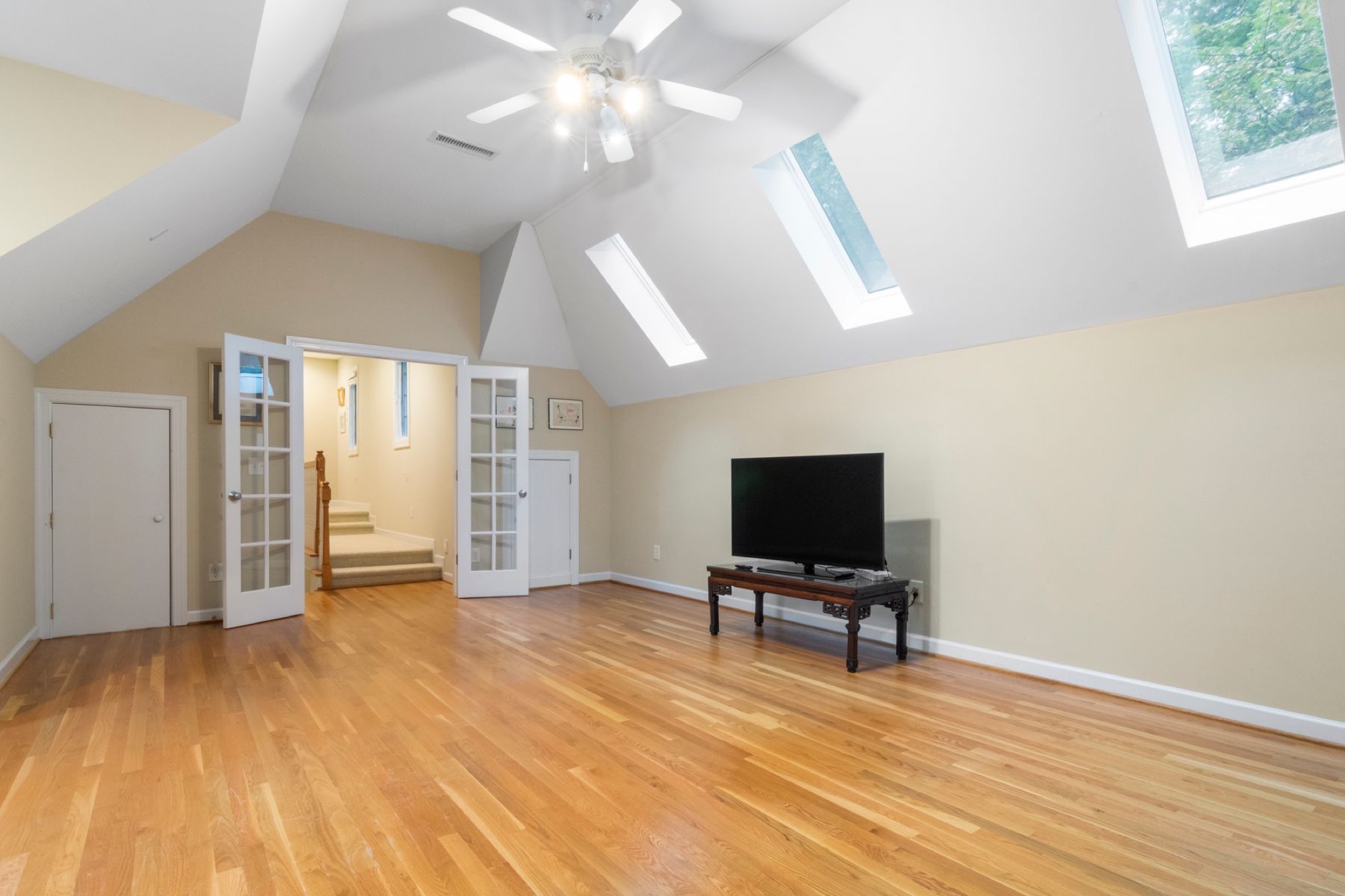
Learning how to cool a bonus room without ruining your energy bills starts with understanding why these spaces overheat in the first place. I'm Ken in Wilmington, North Carolina and I've spent more summer afternoons than I'd like sweating in bonus rooms. Whether you call them FROGs, finished attics or rooms over garages, these spaces are hotter than the rest of the house. Here on the coast, that problem stretches from early summer clear through the Atlantic hurricane season. The season officially runs June 1 to November 30 and its peak is around September 10.
Bonus rooms overheat for simple reasons: the roof deck above them cooks in the sun, insulation is often thin or poorly installed, and duct runs from the main air handler are long and leaky. They can easily trap heat from unconditioned spaces like garages and attic cavities below, above and next to them. In climates like coastal NC, high humidity makes everything worse, so your cooling system needs to handle moisture removal and not just lower temperatures.
Step 1: Check Your Bonus Room and HVAC
Before you buy any equipment, spend an hour inspecting what you already have. This step alone can save you from an oversized or too-small system.
- Measure the room. Get the square footage and ceiling height. A room that is 12 feet by 20 feet with 9-foot ceilings is about 240 square feet. Note whether it's over the garage, in a finished attic or attached to the main house. Bonus rooms often lack proper insulation and airflow, and that context changes what you need.
- Check existing vents. If there's a supply vent from your central air, hold your hand in front of it on a hot July afternoon. Air should come out around 55–60°F. A weak flow means the duct is too long, crushed or disconnected. Proper HVAC airflow is crucial for cooling bonus rooms effectively.
- Inspect insulation and air sealing. Look behind knee walls, around can lights, attic hatches and the garage-ceiling drywall for gaps. Inadequate attic insulation lets solar heat get into rooms below. Sealing air leaks can help keep hot outside air from entering. These upgrades are usually DIY-friendly and they reduce the cooling load no matter what system you pick.
- Consider your main system's capacity. Adding a bonus room that is 300–400 square feet may push an older central air system beyond its design load, which can cause temperatures to climb in the main house too.
- Think about usage. A daily home office demands different equipment than an occasional guest bedroom. That distinction affects whether to invest in a full mini split system or a cheaper, part-time solution.
Option 1: Extend Central Air to a Bonus Room
Tying the bonus room into your existing central air can look cheaper up front, but it often backfires if the system wasn't sized for the extra load. Installing central AC costs less if ductwork already exists, but "less" doesn't always mean "smart."
- Your central air conditioning system has an indoor coil and blower (the air handler) plus an outdoor condenser. Many units from the 2000s were sized just for the original conditioned space, with no extra room for a bonus room.
- Long duct runs are the killer. Ducts running through a 130°F attic lose temperature fast, and central AC systems lose 20% to 30% of cooling energy through duct leaks. That means you're paying for air conditioning that never reaches the room.
- If ducts are already in place but airflow is poor, check for closed dampers, crushed flex duct or disconnected runs. But extending ductwork, adding new ductwork or changing the size of the system should be left to a licensed pro.
- Extending central air can still be the right choice when you have a newer, slightly oversized system, the bonus room sits directly above existing conditioned space, and duct runs are short and well-insulated.
- Only let a contractor extend ductwork after they do a proper load calculation (Manual J) and check that the blower and duct system can handle the added airflow and pressure. Skip this step and the whole house may suffer.
Option 2: Cooling a Bonus Room with a Ductless Mini Split
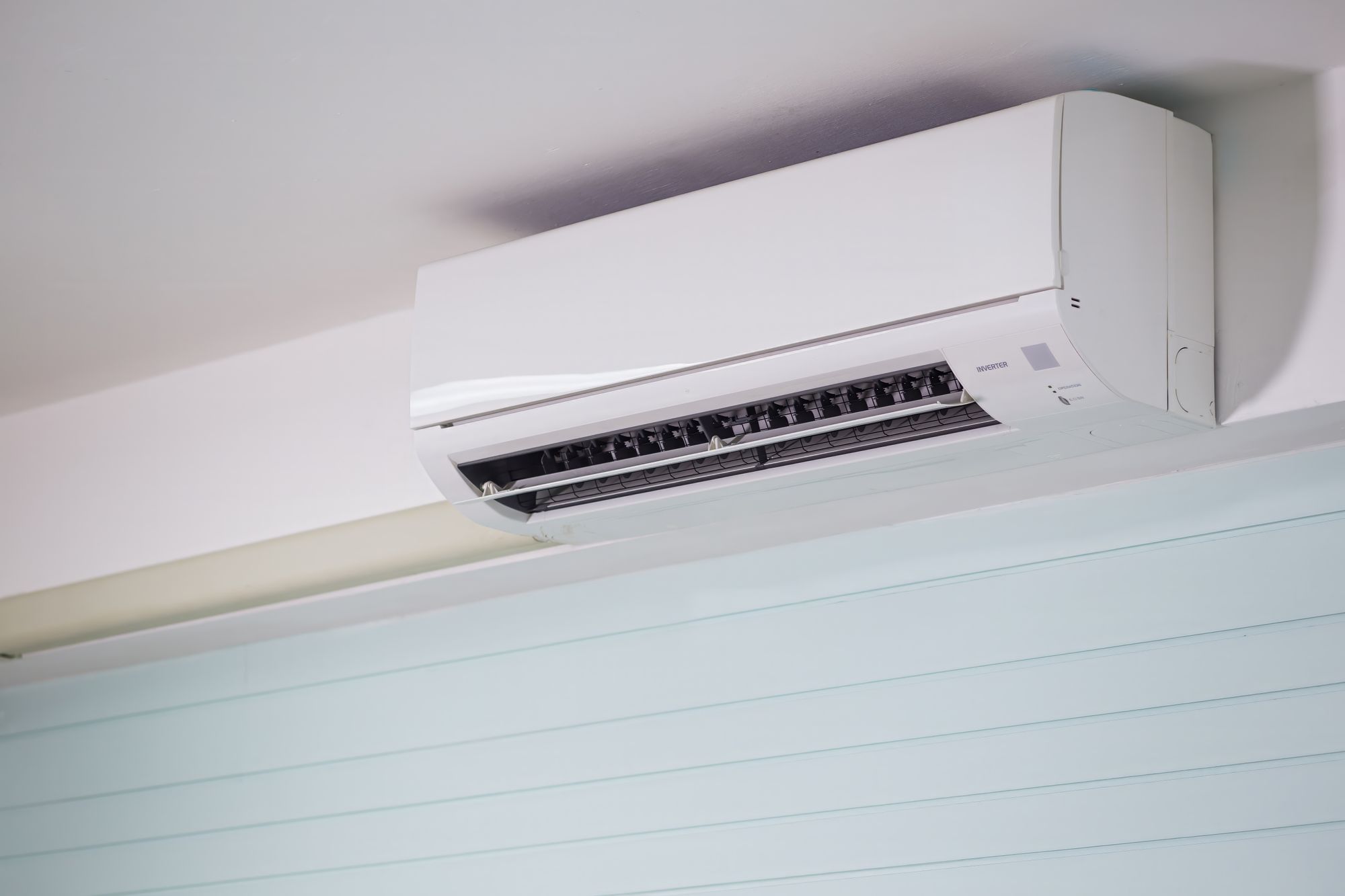
A ductless mini split connects an outdoor unit to a wall-mounted indoor unit through small refrigerant lines. Most modern mini splits are heat pumps, so they provide both heating and cooling. That matters for spaces above cold garages in winter.
- Sizing matters. Many bonus rooms that are 200–400 square feet need 9,000–12,000 BTU (about ¾ to 1 ton). But insulation, windows and sun exposure matter more than square footage alone. A single-zone mini-split can cool a room five degrees cooler than extending a strained central system.
- For a stand-alone bonus room over a garage, a simple single-zone split is usually better than a multi-zone mini split system. Multi-zone adds cost and complexity you probably don't need.
- Installation is simple. Mini-split installation needs only a three-inch hole in the wall for the line set and wiring, an outdoor pad or wall bracket, plus a dedicated electrical circuit. Drilling and mounting can be DIY, but refrigerant line work usually needs a licensed HVAC pro. Installing a mini-split is less of a hassle than central AC. It skips the complexity of putting in new ductwork.
- Ductless mini-splits deliver air directly into specific rooms. They eliminate duct leakage, which improves cooling efficiency. They lose near 0% energy through ducts, compared to the 20–30% central AC loses through duct leaks. That efficiency gap is why mini splits can be 20% to 40% more efficient than central AC overall. They avoid expensive duct installation costs.
- Mini-splits eliminate energy loss through ductwork, and they can save 20% to 40% on monthly energy bills. A single-zone unit for a bonus room that is professionally installed usually runs $5,500–$7,500 in 2026, including electrical work and permits.
Mini Split Features for Bonus Rooms
- Inverter technology means the compressor ramps up and down like a dimmer switch instead of slamming on and off. This reduces energy spikes, cuts noise and holds temperatures steady.
- Efficiency ratings. Mini splits usually have SEER ratings of 18 to 30+, while central AC usually has SEER ratings of 14 to 20. For a room you use daily, it's a good idea to aim for SEER2 in the 18–22+ range. Higher efficiency will save real money over the long term, especially if you plan to stay in the house.
- Quiet operation. Mini-splits operate at noise levels as low as 19 dB on low fan speed, about the sound of a quiet bedroom at night. Quality indoor heads usually run at 20–30 dB. Compare that to the 50–60 dB you'll hear from many window or portable air conditioning units.
- Bonus room-specific features. Look for a dedicated dehumidify mode if you're in a humid climate like Wilmington. Wi-Fi or smart-thermostat control is handy for rooms not used every day, and swing louvers help push cool air down from high or vaulted ceilings.
- Warranty and installer reputation. A well-installed mid-range unit often beats a poorly installed "premium" model. Make sure your equipment is charged correctly and the installer is licensed. With a bad install, you can void your warranty and kill efficiency.
Window, Portable and Through-the-Wall Units
- Window air conditioner units run $200–$600, and most homeowners can install one themselves. But they're loud (often 50–60 dB), they block natural light, and some HOAs won't allow them on street-facing walls.
- Portable AC units are easy to set up. Just vent a hose out a window. But many single-hose models will pull in hot, humid air from the rest of the house to replace what they exhaust. That's a crazy inefficient cycle.
- Through-the-wall units are more permanent: you cut a framed opening, add a sleeve and the unit sits flush. They don't block a window and look more built-in, but they still lack the efficiency of a mini split.
- Safety basics. Don't overload circuits with a big AC unit on a shared line. Support heavy window units properly, and seal around any unit to keep humid outdoor air and insects from getting in.
Prep Work for Better Performance
- Air sealing is a DIY-friendly weekend project. Use caulk and spray foam around electrical penetrations, top plates, recessed lights and where the bonus room meets attic space. Sealing air leaks can help keep hot outside air from entering and save you money before you ever upgrade equipment.
- Upgrade insulation in knee walls, attic slopes and the garage ceiling below. Mis-installed batts in knee walls are one of the most common failures in older homes. Ventilating attic spaces can help reduce heat accumulation in bonus rooms above.
- Control solar heat gain. High-performance window films block significant percentages of solar heat. Thermal blackout curtains can lower room temperatures, and blocking windows with shades or films can prevent heating from sunlight. So how much can a radiant barrier help? A radiant barrier under the roof deck can cut cooling costs by 8–12% in hot climates.
- Improve indoor airflow. Using portable fans can improve how comfortable you feel by moving air. Ceiling fans should rotate counterclockwise during summer for a cooling effect. Fans cool you, not the air itself, but the difference is real.
- These envelope improvements reduce the size of equipment you need, save electricity and improve comfort during extreme events. Hurricane Florence dropped a record 23.02 inches of rain on the Wilmington airport from September 13 to 16, 2018, topping Hurricane Floyd's 19.06 inches from 1999. The NWS says that much rain in four days is about a 1-in-1,000-year event. During multi-day storms like that, a well-sealed room with the right cooling system is the difference between a livable space and a miserable one.
DIY vs Hiring a Pro for Bonus Room Cooling
- DIY-safe tasks: measuring and planning your space, air sealing, adding insulation where it's accessible, installing shades and window film, mounting mini split brackets per manufacturer guidelines, and running surface-mounted electric conduit where code lets you.
- Call a licensed pro for: central air load calculations and duct changes, pulling new high-amperage circuits from the panel, connecting and charging refrigerant lines, and pulling permits to meet local code. Instead of just selling you whatever they stock, a good HVAC contractor should talk about both central air and ductless mini split options.
- Budgeting. In 2026, a basic single-zone ductless mini split that's professionally installed often runs in the $5,500–$7,500 range, varying by region. A window air conditioner is under a few hundred dollars. But you'll want to think in long-term costs, including power bills, maintenance and comfort, rather than just the lowest upfront quote, especially if you plan to stay in the house 5–10+ years.
FAQ
What do you usually miss when you're figuring out how to cool a bonus room? These questions cover the practical details.
Is your central air big enough for the bonus room?
Warning signs of a too-small system include the main house failing to hold its setpoint on hot afternoons, long run times and big temperature differences between floors. Rather than guessing based on tonnage per square foot, have a pro run a Manual J load calculation. It will account for insulation, windows, orientation and occupancy. Those are details that a rule-of-thumb can't capture.
Will a mini split in my bonus room increase my home's resale value?
A properly installed ductless mini split that turns a previously unusable bonus room into real, conditioned living space is generally seen as a plus by buyers, especially for a home office or guest suite you could sell as one bedroom. How appraisers treat it varies by market, but in hot-humid areas, conditioned square footage carries weight.
Do you need a separate heat source for the bonus room in winter?
If you choose a heat pump mini split rated for your climate, it can handle both heating and cooling. If you only install a cooling-only window unit, you'll still need electric baseboard, space heaters or extended central heat to stay comfortable when it gets cold.
How often should you maintain a mini split in a bonus room?
Homeowners can rinse or vacuum washable filters every one to three months during heavy use and keep the outdoor unit coil and area clear of debris. It's a good idea to schedule a professional checkup about once a year. That small bit of maintenance keeps efficiency and quiet operation where they should be over the long term.