Best Way to Heat and Cool a Garage (Comfortable Year Round)
The best way to heat and cool a garage will usually come down to three things that work together: a solid shell, proper ventilation and the right-size heating or cooling system for how you actually use the space. I spend a lot of time in my garage here in Wilmington, NC and I got tired of sweating through summer projects and freezing at the bench in January. After trying several ways to set things up, I can tell you that getting the shell right, getting the ventilation right and getting the equipment right is what might make the biggest difference.
Key Takeaways
- A combination of insulation and heating or cooling systems can be most effective for garages. It's a good idea to do the shell work before you jump straight to buying equipment.
- Good/better/best options for a year round setup: portable electric heater plus fan (good), ceiling-mounted unit heater plus exhaust fan (better), ductless heat pump mini split with insulation and air sealing (best way for most of you).
- Proper ventilation is a safety issue, not just a comfort issue. Fans alone are not enough if you run cars, gas heaters or power tools inside. Bad ventilation can damage the stuff you are storing and create safety hazards.
- Keeping a garage cool in hot weather often starts with the garage door and the ceiling. You can get an insulated door, use a light color or add a radiant barrier before you add active cooling.
- Heating and cooling a garage effectively depends on the climate and how you use the space, so it is worth checking local rebates and permitting before you buy equipment.
How Hot and Cold Garages Get
My garage in Wilmington has hit 95–100°F inside with the door shut in August, and I've seen it drop into the low 40s during a winter cold snap. That kind of swing has pushed me to find a reliable solution instead of just suffering through it. Here's why it matters:
- It's uncomfortable to work in, whether you are driving screws or doing morning stretches in a home gym. Extreme temperatures make everything miserable.
- Tools rust, paint and finishes go bad, and moisture lets mold grow on the things you're storing.
- Your car bakes in summer, and fumes from an attached garage can slip into the house, pulling down home energy efficiency and indoor air quality.
- An attached garage is like a thermal drain, dumping heat or cold into the walls and rooms next to it, which puts strain on your home HVAC and raises energy bills.
- The best way forward is different for a woodworking shop versus just parking. Later sections will help you match a setup to your actual use.
Start With the Shell: Insulation, Air Sealing and the Garage Door
You'll get the biggest return by improving the garage shell before buying a single heater or air conditioning unit. Adding insulation can cut heating and cooling loads by up to 50%, and a solid thermal envelope prevents outdoor temperatures from bleeding through.
- Garage doors are often the largest source of heat loss. Insulated garage doors can keep temperatures 22–26°F cooler in summer and help maintain stable temperatures in winter. Swap a single-skin metal pan door for an insulated steel sandwich door with a polyurethane core.
- Garage doors that are light in color reflect sunlight and cut down on heat absorption. If you're not replacing the door, even repainting it a lighter color helps reflect heat.
- Proper insulation in walls and ceilings keeps hot air out in summer and warmth in during winter. Aim for R-19 to R-30 in the ceiling and at least R-13 in framed walls. Insulation in walls and ceilings helps maintain cooler temperatures on the worst days.
- Air sealing stops drafts and cuts down on energy loss. You can seal gaps around outlets, base plates and the garage door track area with caulk or foam.
- Preventing air leaks is important if you want to keep the temperature in your garage stable. Proper insulation prevents heat transfer from outside, and that is what creates a real thermal envelope.
- For windows, you can add simple vinyl blinds or reflective film on west-facing glass to cut late-day sun and sunlight exposure while still allowing morning light.
- In North Carolina, insulation and air sealing may be needed if you later install a heat pump mini split. Programs like Energy Saver NC often make you do the shell work alongside HVAC to qualify for rebates. Cutting into fire-rated assemblies on walls shared with living space is where you should follow local code or call a pro.
Ventilation First: Safely Moving Air In and Out
Proper ventilation means controlled fresh air in and exhaust out, not just leaving the big garage door cracked and hoping for the best. Ventilation systems help move hot air out of garages, and poor ventilation leads to heat and humidity buildup that damages things you care about.
- Cross-ventilation basics: open a small back or side door plus the main garage door, and add a wall-mounted or window fan to create airflow that pulls cooler air in and pushes hot old air out.
- Installing windows or vents lets fresh air circulate effectively. Even a single window you can open on the back wall makes a noticeable difference.
- For a dedicated exhaust fan, match CFM to your garage size. A two-car garage (~400–600 sq ft) usually wants 1,000–1,500 CFM for quick air changes. The QuietCool GA ES-1500 blows 1,452 CFM using just 47 watts. This is an attic fan style approach that keeps things quiet and efficient.
- Ventilation is crucial for garages with gas-fired appliances. If you run a car, gas water heater or gas unit heater, never depend on fans alone for safety. Carbon monoxide has no smell and is deadly. Some setups really do call for a pro to design mechanical ventilation and install CO detectors.
- Fans plus a cracked garage door work for short projects in hot weather, but this won't create indoor comfort when temperatures rise past 95°F.
- Ventilation also helps in winter by drying out damp air, reducing rust and mold, which makes heating more effective. A dehumidifier can help cut down on moisture in humid garages like mine near the coast.
Best Ways to Cool a Garage in Hot Weather
Cooling a garage breaks into three levels: natural ventilation and fans, spot cooling with portable AC, and full-time conditioning with a ductless heat pump or through-the-wall unit.
- Fans first: pedestal fans, box fans or air mover blowers pointed at your work area are the cheapest solution. Organizing your garage improves airflow and cuts down on heat buildup. Clear paths let air move instead of sitting still. Evaporative coolers work in dry climates but not well in humid spots like coastal NC where they just add moisture.
- Portable air conditioners need no permanent installation and are a decent mid-range option. Size matters: a 1-car garage might need 8,000–10,000 BTU, while a 2-car space needs 12,000+ BTU. Always vent the exhaust hose outside. Never vent it back into the same room.
- Opening garage doors in late evening can improve airflow and cut down on heat buildup after a hot day. Keep the door down during peak sun hours, then open it with fans running to flush the space. An insulated, light-colored garage door noticeably reduces afternoon temperature spikes.
- Ductless mini split heat pumps are the best way to keep a garage cool if you live in the space daily. They handle dehumidification well, they run quiet and they avoid cutting into the home's existing ductwork.
- Electrical note: larger coolers and mini splits need dedicated 120V or 240V circuits. If you're uncomfortable in your panel, call an electrician. Don't overheat a circuit trying to keep the garage cool.
Best Ways to Heat a Garage in Cold Weather
Heating a garage safely is more than plugging in a space heater. You have to think about fuel type, ventilation and whether the space is attached to your house.
- Portable electric heaters, ceramic or oil-filled radiators, are easy ideas for spot heating at the bench. Realistic expectations: they'll keep you warm in your work area but won't heat a whole 2-car garage on a freezing day.
- Ceiling-mounted electric unit heaters (240V) free up floor space and can be pointed at the main work area. These often need an electrician for a dedicated circuit and a permit.
- Gas unit heaters deliver heat fast but must be vented correctly to the exterior. Unvented gas heaters are usually a bad idea in attached garages because of moisture and combustion gases. NC Fuel Gas Code rules apply to clearances and venting. It's best to leave the install to a licensed pro.
- Radiant floor heating directly heats objects and people, which is efficient in a shop where you stand all day. But it is a major install, not a weekend project.
- Mini split heat pumps can both heat and cool a garage efficiently, with many cold-climate models maintaining useful output well below freezing. For daily use, they're the most energy efficient, reliable option.
- Never run a car in a closed or barely cracked garage for heat. Install carbon monoxide detectors near attached garages whenever fuel-burning equipment is present. That is a safety non-negotiable.
Ductless Mini-Splits and "All-Season" Garage Setups
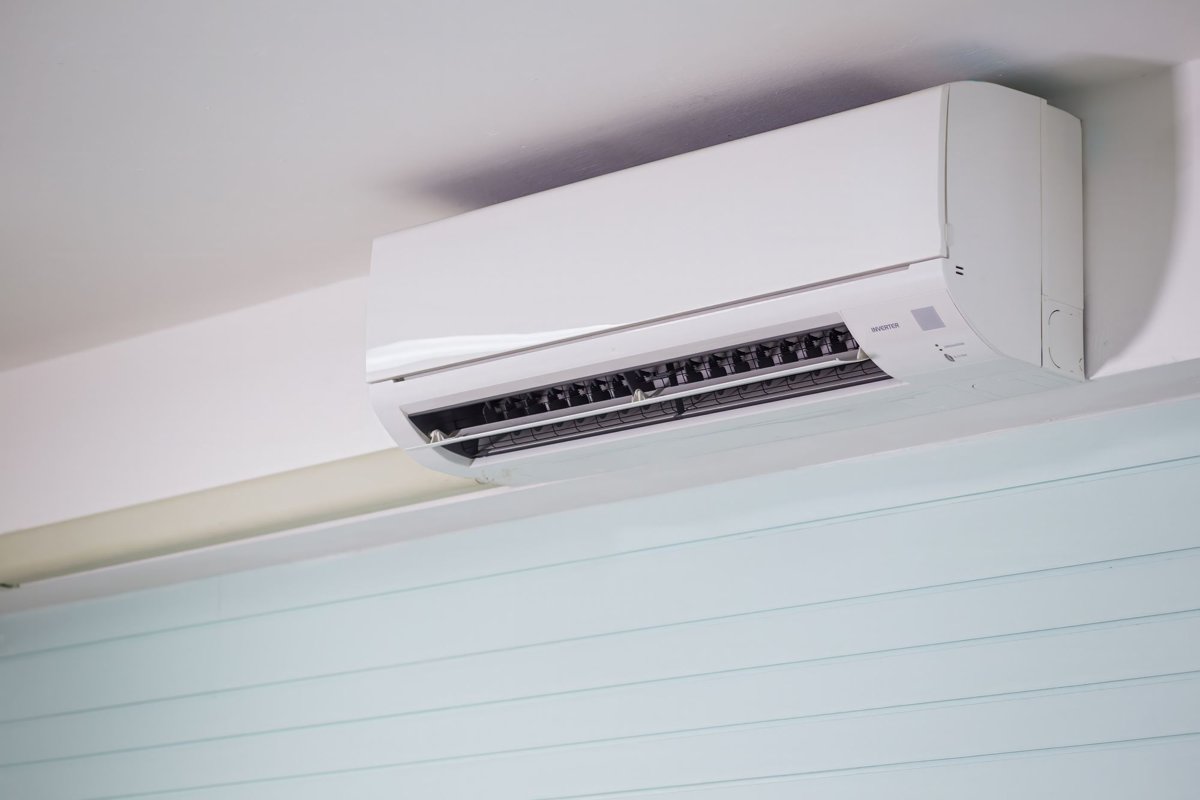
A ductless mini split heat pump is the nearest thing to turning your garage into a proper room. You get quiet, thermostat-controlled heating and cooling from a single system, year round.
- Setup: outdoor condenser on a pad or wall bracket, indoor wall-mounted head, small lineset and condensate drain. Wi-Fi control lets you turn the system on from the house before heading out for a morning session.
- Mini-split heat pumps provide high-efficiency heating and cooling and eliminate the need for ductwork. Sizing matters: a well-insulated 2-car garage usually needs 12,000–18,000 BTU. Oversizing causes short-cycling and humidity problems, so a load calculation considering insulation, door leakage and sun exposure is worth doing.
- Outdoor units often need a lockable disconnect. The 2023 NEC exception that let listed HVAC equipment skip the outdoor GFCI rule ended September 1, 2026, but North Carolina still enforces the 2020 NEC-based code, so check what your local inspector enforces.
- Installed cost in NC usually runs $3,000–$6,500 for a single-zone system. Energy Saver NC's HEAR rebates pay up to $8,000 for an ENERGY STAR heat pump, though these usually target primary living spaces. As of September 1, 2026, HEAR rebates no longer pay to replace gas or fossil-fuel appliances. Electric-to-electric only. Verify eligibility before counting on rebates.
- Who should consider one: anyone with a full-time workshop, home office or gym in the garage who wants stable performance without tying into the main house HVAC. Need refrigerant work? Call a licensed HVAC contractor. This isn't a DIY job.
When to Call a Pro
Garages are where a lot of hazards live at once. You've got cars, gas appliances, flammables and power tools. Every heat and cooling decision needs to pass through basic safety and local code.
- Electrical: anything requiring new 240V wiring is usually a job for a licensed electrician. Respect breaker limits, use properly grounded outlets and maintain security of your panel.
- Combustion safety: vented gas heaters only, with proper clearance to combustibles. Many codes don't allow unsealed combustion appliances that could draw garage air into house ducts. Install both smoke and carbon monoxide detectors near attached garages.
- Any penetration through fire-rated walls or ceiling between garage and house must be sealed with approved fire-rated materials.
- Call an HVAC pro for installing a mini split, adding a gas unit heater, or any ductwork changes. Get at least two quotes and ask specifically about garage use.
- Good DIY means knowing your limits. Insulation, weatherstripping and plug-in heaters are fair game. Gas piping, refrigerant lines and panel work are where you bring in help. Regular maintenance on whatever you install keeps things running safely and extends equipment life.
You can check out more posts on the site for other garage and home projects. Start with the shell, pick the right system and don't skip safety. Your future self will thank you every time you walk into a comfortable garage.
FAQ
Leave the Garage Door Cracked for Ventilation?
A cracked door helps a little, but it doesn't guarantee proper ventilation, especially at the back of the garage where hot air and fumes collect. Pair a partially open door with a fan that actively pushes out air and pulls cooler air inside. What's the downside of leaving the door open? There's a security risk, and pests or rain might blow in. For serious cooling needs like a gym or shop, door-cracking alone won't keep things comfortable on very hot weather days.
Tie Garage Into Home HVAC Ducts?
Many building codes either discourage or prohibit feeding a garage from the home's duct system to avoid pulling car exhaust and chemical fumes into the house. Cutting into supply or return ducts yourself can also mess up system balance and void warranties. The safer approach is a separate system like a mini split or unit heater. Check with a local HVAC pro and your building department before altering any ductwork that serves conditioned living space.
What's the cheapest way to make my garage more comfortable?
Start with sealing obvious gaps, adding basic insulation where you can get to it, and upgrading weatherstripping on the garage door. Then pair a good fan for ventilation in summer with an efficient portable electric heater for winter spot heating. These low-cost steps can easily drop summer temps by several degrees and make winter work sessions bearable, even if the space never feels like a fully conditioned room.
Do I need to insulate the garage if I'm only using fans or a portable AC?
You don't have to, but without proper insulation the cool air you create will leak out quickly. Equipment runs harder and costs more to operate, driving up energy bills. Focus on the ceiling and the garage door first. That's where most heat transfer happens. Even a small insulation upgrade plus sealing cracks makes a noticeable difference for you in both summer and winter.
One Mini Split for Garage and Attached Room?
A single mini split head is designed to serve one main space. Trying to heat and cool both a garage and an attached room with one unit usually leads to uneven temperatures. Because garages lose and gain heat faster, the system will favor garage conditions, leaving the adjacent room uncomfortable. Separate heads or separate systems for living areas and garages is the better approach, and local code often treats garages differently than habitable rooms.