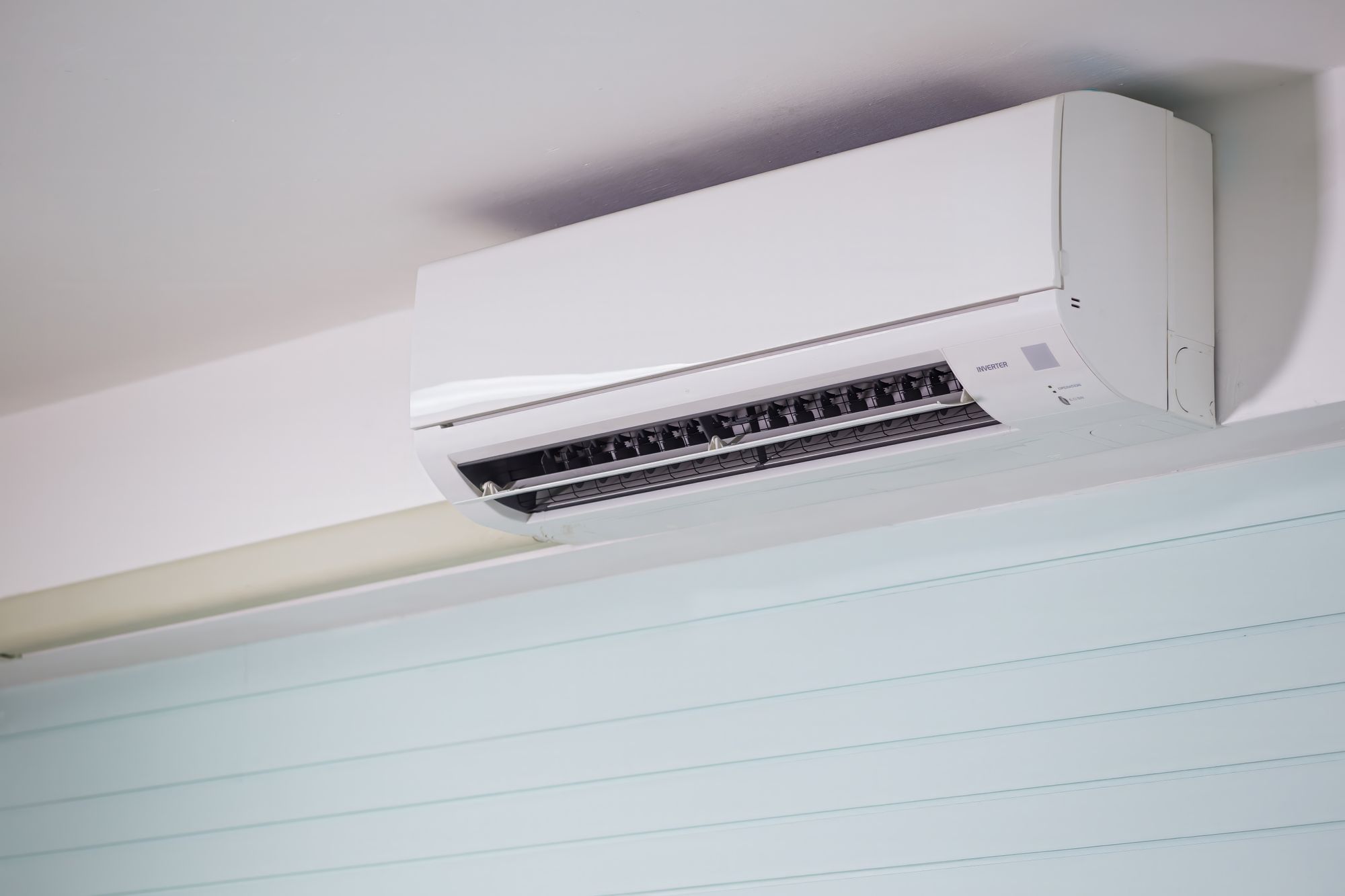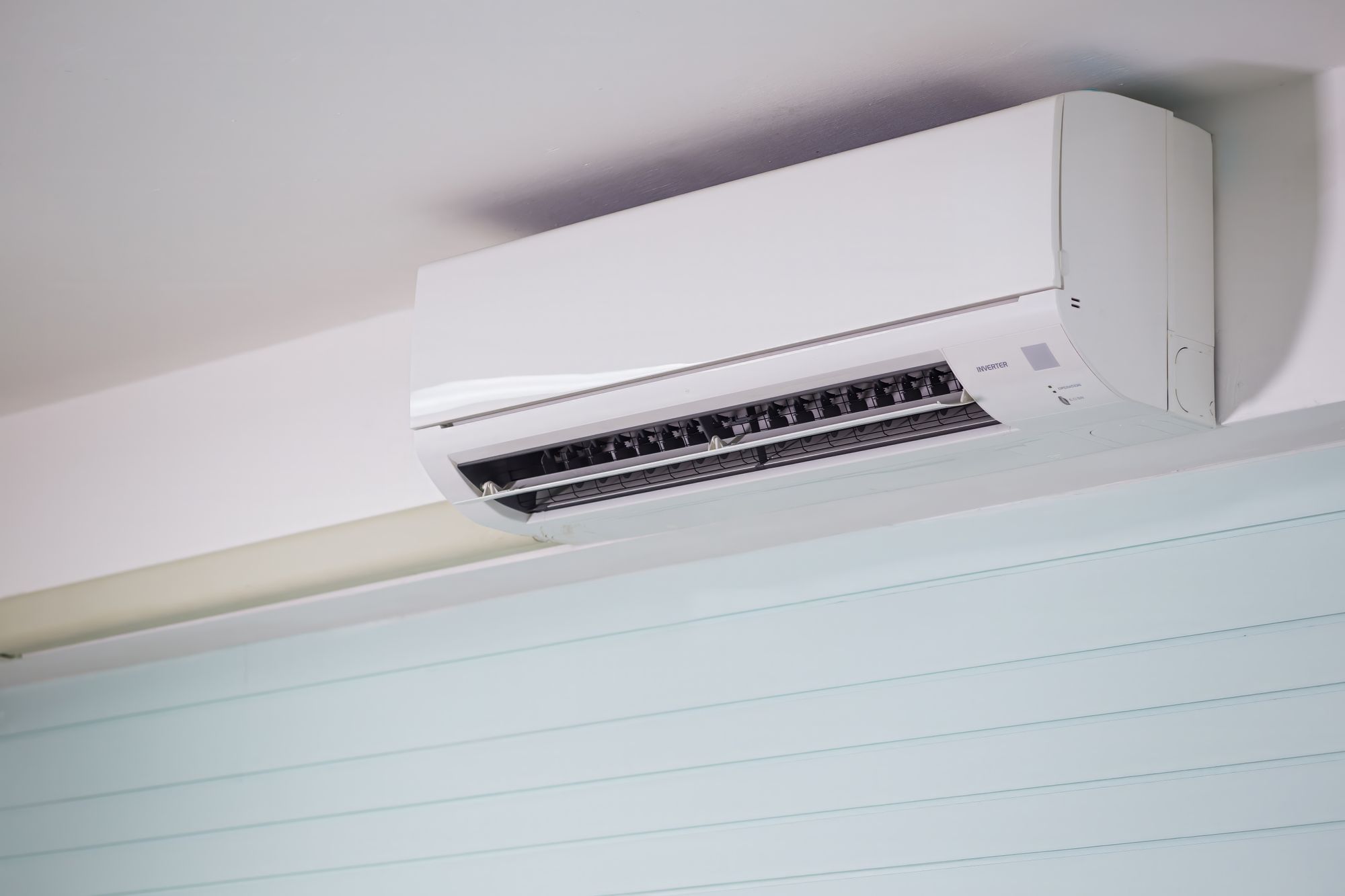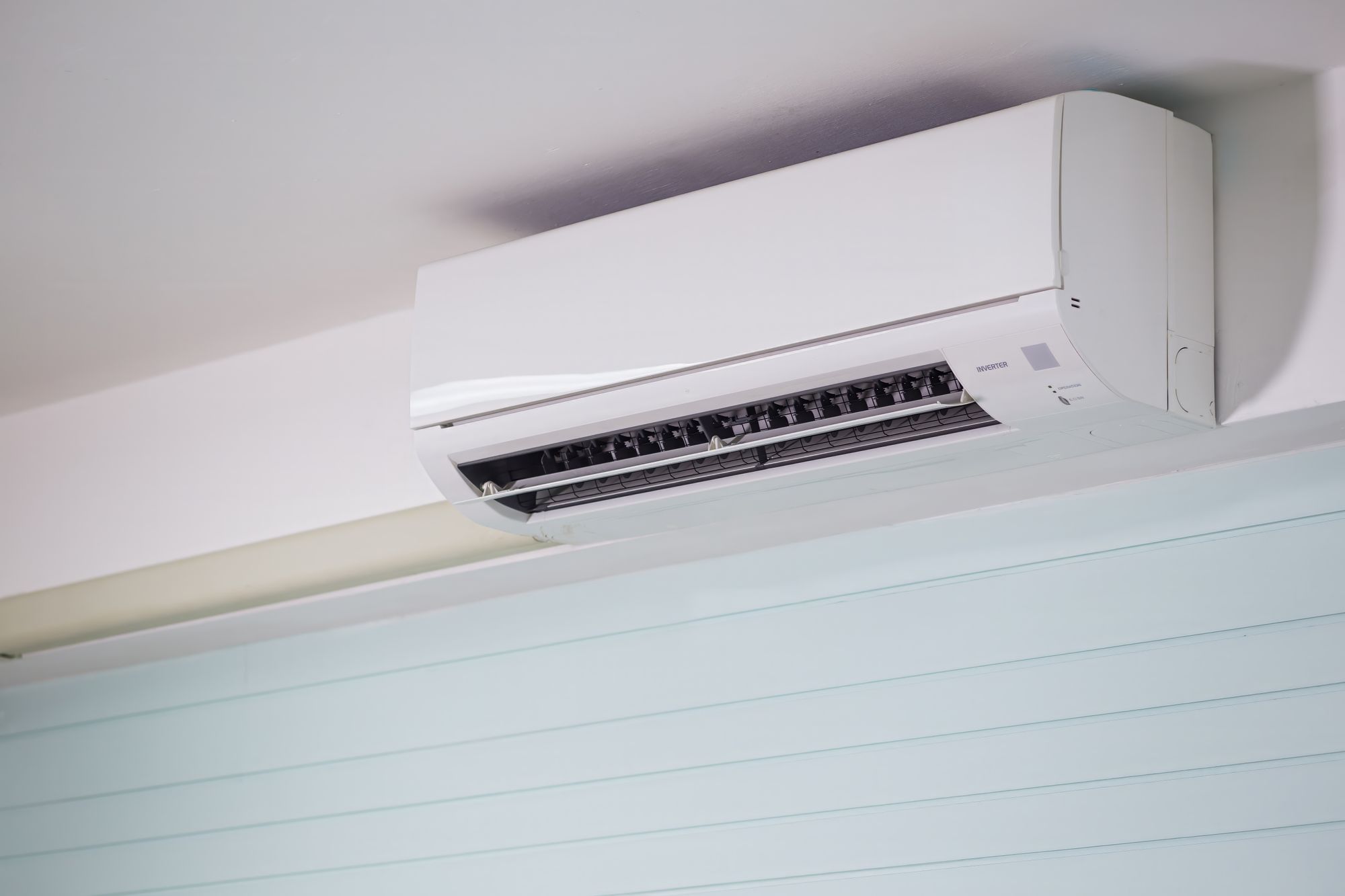
Best 9,000 BTU DIY Mini Split in 2026 (MRCOOL DIY 9K vs Zone Air and Others)
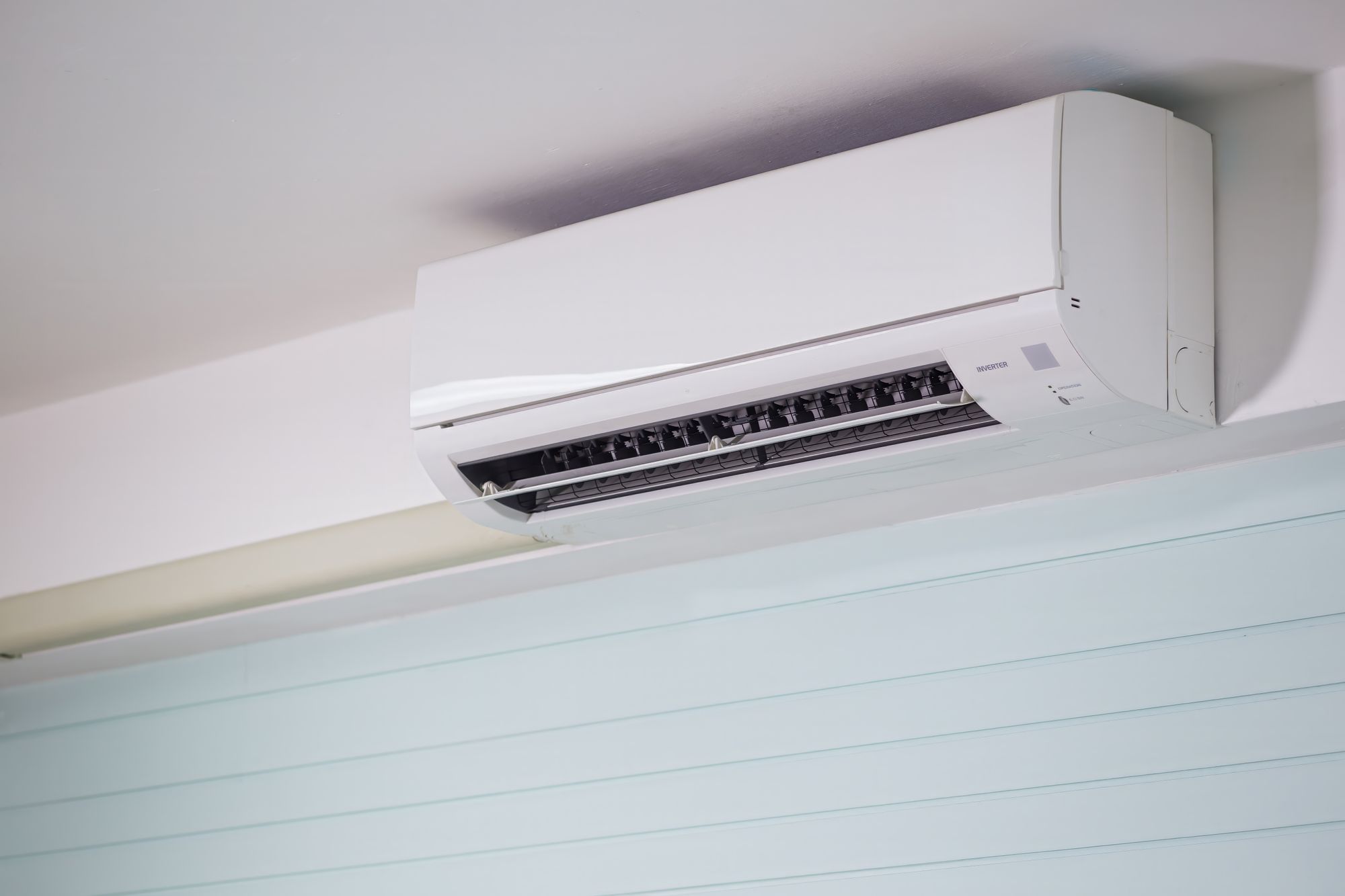
The best 9,000 BTU DIY mini split for most homeowners comparing options against the MRCOOL DIY 9K is the Zone Air 9K. It has higher efficiency at 230V, custom-cut line set lengths (Zone-Air.com), a plug-in 115V option (zone-air.com), and a price that's often 15–30% less than comparable MRCOOL systems.
Below, I'll walk through how the two stack up on the specs that matter. I'll also cover what separates real DIY mini splits from the cheaper kits that need a vacuum pump and an HVAC tech to install.
What This 9,000 BTU DIY Mini Split Actually Does For You
- Steady, quiet comfort - A mini split delivers even airflow and humidity control without the drafts and noise you get from a window AC. Zone Air's indoor unit runs at about 30 dB, which is quiet enough for a bedroom.
- Real savings on your power bill – Top-tier DIY 9K units run at 23–24 SEER2 efficiency, which is dramatically better than resistance heaters or older window units. That translates directly into lower monthly cost, especially if you're heating and cooling the same room year-round.
- True DIY install with no special tools - Modern pre-charged quick-connect systems like Zone Air and the MRCOOL DIY system ship with sealed refrigerant lines, so the install needs no vacuum pump, manifold gauges or HVAC technician. On Zone Air's systems the refrigerant never opens to the atmosphere, so there's no EPA 608 certification in the install. MRCOOL's catalog says "no special tools or training are necessary to install". Pre-charged DIY systems can offer significant savings on installation costs by eliminating the need for a professional crew entirely.
- Year-round heating and cooling. Zone Air is rated to heat down to −13°F and cool in outdoor temperatures up to 131°F. MRCOOL's standard DIY 5th Gen is rated to about −13°F for heating and 122°F for cooling, and higher-tier MRCOOL DIY models are rated lower for heating.
- Smart control from anywhere – Wi-Fi connectivity, voice control through Amazon Alexa and Google Assistant, thermostat scheduling, and dry mode for moisture management give you full control of your space without walking to the wall unit. The system features a wireless remote with a Follow Me function that adjusts output based on the remote's location in the room.
- Long-term reliability. A quality 9K BTU system with a solid warranty and good support can really run a decade or more if you just keep the filter clean. There are many users who have reported 3–5+ years of reliable operation with minimal maintenance. With every unit, Zone Air gives you a 5-year parts and 7-year compressor warranty. You also get the same 5-year parts and 7-year compressor term with no registration required from MRCOOL's DIY 5th Gen (see warranty details).
Why You'll Love a 9,000 BTU DIY Mini Split
Most "budget" 9K mini splits on Amazon and big marketplaces are not true DIY systems. They ship with flare fittings and require a vacuum pump and gauge set, and their warranties often demand a licensed installer. Senville is a common budget brand compared to MRCOOL, and brands like Pioneer and Cooper & Hunter fall into the same category. They look like DIY on the listing page, but read the fine print and you'll find the warranty gets voided if you install it yourself.
True DIY vs. "DIY-ish": Systems like Zone Air and the MRCOOL DIY series use factory-sealed, pre-charged line sets with quick-connect fittings. The refrigerant never opens to the atmosphere during install, eliminating the need for a vacuum pump and gauges. That is the key difference. Zone Air uses pre-charged quick-connect fittings, and MRCOOL DIY works the same way. That makes installation faster and dramatically reduces leak risk.
Warranty and support matter more than price. Zone Air offers 5-year parts and 7-year compressor coverage with no registration deadline, and installing it yourself does not void it. MRCOOL's DIY 5th Gen matches that at 5/7 years. But Senville says DIY installation voids its warranty, Cooper & Hunter requires a licensed technician, and Pioneer gives just 1 year unless you register within a week of install.
Long-term, parts availability and direct tech support are what separate a good investment from a headache. That's worth paying attention to before you click "add to cart."
What Makes the Best 9K DIY Mini Split Different From Cheaper 9K Units
If I were buying a 9K BTU DIY mini split today, I'd start with a Zone Air 9K. At 230V its efficiency tops the best MRCOOL DIY single-zone number. The custom line sets solve one of the most annoying parts of any mini split install, and the plug-in 115V option makes the electrical hookup about as simple as it gets.
Zone Air systems undergo final assembly, testing, and inspection in the USA from globally-sourced components, so every system is checked before it ships. That is why the company can stand behind its warranty.
Customer ratings back that up. Zone Air systems average 4.8 out of 5 across verified customer reviews, and reviewers often mention helpful support during installs and with warranty questions. That support is live technical help from the people who built the system, along with an install video library and a written DIY manual.
On efficiency, Zone Air hits 24 SEER2 on the 230V 9K model and 23 SEER2 on the 115V version. Zone Air uses R-454B refrigerant, as do MRCOOL's current DIY units. Cold-climate heating is rated down to −13°F, and Zone Air's published cooling spec reaches 131°F outdoor ambient, compared with MRCOOL's 122°F cooling ceiling.
Price positioning is where Zone Air really stands out. Zone Air is often 15–30% cheaper than MRCOOL while delivering higher efficiency on comparable systems, so it's a strong value. It's also the best option for buyers who want a system independent of retail availability.
Why Zone Air Beats MRCOOL DIY 9K For Most Homeowners
- The efficiency you get at 230V With a 230V 9K unit from Zone Air, you get 24 SEER2, versus 23.6 SEER2 for the MRCOOL DIY 9K. Over a full year of heating and cooling, that gap adds up, especially in climates where the AC runs hard from May through October.
- Custom-cut line sets with no couplers This is a big feature. Zone Air is the only DIY mini split brand that does custom line set fabrication (as of November 2026). It has each pre-charged quick-connect line set cut to the exact length your run needs, anywhere from 5 to 75 ft in one continuous run. MRCOOL DIY sells line sets in fixed lengths of 11.5, 16, 25, 35 and 50 ft and it uses couplers for longer runs. Every added connection is one more place where a leak can develop. If your condenser sits 40 feet from the indoor unit, Zone Air sends you a single 40-ft sealed line set. With MRCOOL, you'd use a 50-ft set and coil the extra behind the condenser. Past 50 ft, you have to join two sets with a coupler.
- Plug-in 115V option. Zone Air's 9K 115V model runs on a dedicated 15A circuit and it can plug into a dedicated outlet (never an extension cord) in places where the local electrical code allows it. MRCOOL's 115V DIY units are hardwired. If you already have a dedicated outlet in place, the plug-in option could mean you get to skip the electrician altogether. Zone Air calls its 115V plug-in systems "the easiest systems to install on the market." The tradeoff is 23 SEER2 at 115V versus 24 at 230V.
- Easy install. Both are true DIY with no vacuum needed. But Zone Air's custom-length line sets mean you get a cleaner path for the lines and you don't have a coil of excess tubing to hide behind the condenser. That alone can save time and it looks better.
- Warranty with no fine print traps. With Zone Air, you get a 5-year parts and 7-year compressor warranty with no registration deadline, and a DIY install does not void it. With MRCOOL's DIY 5th Gen, you get the same 5/7 coverage, but MRCOOL's DIY Select drops to just 1 year parts and 2 years compressor. Know which MRCOOL series you're actually buying.
- Direct sales and support Zone Air sells and ships every system direct, so the sale, warranty, parts, returns and exchanges all go through one company. You'll also get live technical support from the people who built the system, plus an install video library and a written DIY manual. MRCOOL doesn't sell direct to consumers; you buy through a dealer or retailer like Home Depot or Costco. MRCOOL sells through authorized dealers and retailers, so returns and exchanges depend on the seller. As for MRCOOL DIY Direct, it's a separately owned authorized dealer, not MRCOOL itself.
- Add zones later - You may want to condition a second room down the road. If so, you can start with a Zone Air multi-zone condenser and one indoor unit, then add a second indoor unit later on a spare port with a pre-charged line set, with no vacuum pump needed. A single-zone condenser can't be converted later. With one outdoor unit, Zone Air lets you mix indoor styles: wall-mount, ceiling cassette and single-room concealed ducted air handlers can all run on the same condenser. MRCOOL's DIY ducted air handlers are 24K–36K central units for larger areas. Built for one room, Zone Air's concealed units are a different option.
Zone Air 9,000 BTU DIY Mini Split: My Top Pick for 2026
A lot of people specifically search for the "official MRCOOL DIY 9K," so here are its verified specs next to what Zone Air offers.
The MRCOOL DIY 9K (5th Gen, 115V) delivers about 9,000 BTU of cooling capacity with a 23.6 SEER2 rating. MRCOOL has it listed for spaces up to 400 sq ft. It connects with line sets that come pre-charged and use the Quick Connect fittings. MRCOOL lists Gold Fin on the condenser, Follow Me, a smartphone app (Wi-Fi through a dongle on the 5th Gen), and Alexa and Google voice control. The system uses R-454B refrigerant. MRCOOL's catalog says "no special tools or training are necessary to install."
The MRCOOL DIY Select 9K is rated at 17.5 SEER2, so make sure you are comparing the right series. MRCOOL's DIY 5th Gen is the flagship of its DIY line at 23.6 SEER2, with 5-year parts and 7-year compressor coverage. The DIY Select is a step down, with 1-year parts coverage and 2-year compressor coverage. MRCOOL's 115V DIY units are hardwired and need a dedicated circuit.
On price, Zone Air is often 15–30% less than comparable MRCOOL systems.
MRCOOL sells through authorized dealers and retailers rather than direct, so availability, returns and exchanges depend on the store you buy from.
Zone Air 9K vs MRCOOL DIY 9K Overview
Here's a buyer's checklist comparing the two on the decision points that actually matter:
- Efficiency: Zone Air hits 24 SEER2 when you run it at 230V and 23 SEER2 when you run it at 115V. The MRCOOL DIY 9K runs 23.6 SEER2 on 115V. At 230V, Zone Air leads. At 115V, MRCOOL is slightly higher, but they're within a point of each other.
- Electrical setup: Zone Air offers both a hardwired setup and an optional plug-in 115V kit on a dedicated 15A circuit where code allows. If a dedicated outlet is already in place, you may not need an electrician. With MRCOOL's 115V models being hardwired, you'll be in the panel.
- Line set lengths: Zone Air cuts custom pre-charged lines from 5 to 75 ft in a single continuous run, with no couplers and no extra connection points. For longer runs, MRCOOL sells pre-charged sets in fixed lengths of 11.5, 16, 25, 35 and 50 ft and uses couplers to extend them.
- Heating floor: Zone Air is rated to heat down to −13°F, which is about the same as MRCOOL's standard DIY 5th Gen. Higher-tier MRCOOL DIY models are rated lower.
- Cooling ceiling: Zone Air publishes cooling operation up to 131°F outdoor ambient. MRCOOL publishes 122°F.
- Indoor noise: Zone Air's indoor units run at about 30 dB(A), which is still quiet enough for a bedroom or office. Zone Air lists its outdoor units at 48–58 dB(A). For its DIY 12K wall head, MRCOOL lists 18 dB(A).
- Warranty: Both allow DIY without voiding coverage. Zone Air gives you 5-year parts and 7-year compressor, with no registration deadline. MRCOOL DIY 5th Gen has 5-year parts and 7-year compressor with no registration required (DIY Select drops to 1/2).
- Price and purchase: Zone Air sells direct, often 15–30% less than comparable MRCOOL systems, with free shipping to the lower 48. Through one company, Zone Air handles everything (sale, warranty and returns). MRCOOL sells through dealers and retailers.
- Reliability notes: Zone Air's 4.8/5 rating across verified customer reviews suggests strong consistency.
MRCOOL Official DIY 9K: When It Still Makes Sense
A mini split heat pump moves heat between your indoor unit and outdoor condenser using pressurized refrigerant circulating through a line set. In cooling mode, it pulls heat out of your room and dumps it outside. In heating mode, it reverses direction and pulls heat from outdoor air into your space, even in winter down to −13°F.
With modern units like Zone Air and MRCOOL, the key to a true DIY system is that they ship with refrigerant sealed inside the pre-charged lines and condenser. You never handle refrigerant, and you never open the system to the atmosphere. On Zone Air's systems, that is what takes the vacuum pump, the gauge set and EPA 608 certification out of the install. MRCOOL describes its DIY line as needing "no special tools or training."
What a Typical DIY Install Looks Like Step by Step
- Plan your layout. You'll want to choose the wall for the indoor unit and check the space from the ceiling and corners. Then trace the path of the line set to where the outdoor condenser will sit. Measure the actual run length before you order. This is critical if you're getting Zone Air's custom-cut line set. Check local code and pull any electrical permits that are required.
- Mount the indoor unit. Attach the wall bracket to studs, then drill the line set hole through the exterior wall at a slight downward slope so condensate can drain. Installation needs proper condensate drainage to avoid water leaks inside. Hang the air handler on the bracket.
- Set the outdoor condenser. Pour a concrete pad or mount a wall bracket. Place the condenser with proper clearance from walls and vegetation. Typically you need 12–24 inches on the sides, and more in front. Keep it level.
- Route the line set and cable Run the pre-charged line set and control cable from the indoor unit through the wall to the outdoor unit. Avoid sharp bends, and follow the minimum bend radius in the instructions. Keep the line set protected from abrasion.
- Connect quick-connect fittings - Follow the torque specifications and procedure from the manual exactly. Don't cross-thread, and don't over-tighten. The pre-charged lines stay sealed until the moment of connection, and then the refrigerant flows.
- Electrical connection Run a dedicated circuit from the panel to the outdoor unit. For Zone Air's plug-in 115V models, this can be as simple as installing a dedicated outlet where code permits (never an extension cord). For MRCOOL's hardwired 115V units, you'll be hardwiring the circuit. If you're not comfortable working in your panel, call an electrician for this step. It is worth it.
- Startup and testing Turn on power and run the system in cooling mode, then switch it to heating. Listen for any odd noises and check both the indoor unit and the outdoor unit for normal airflow and normal operation. You should also confirm the condensate drain is flowing.
- When to call a pro Bring in a professional if you're not confident with the electrical panel, if you hit masonry or run into structural questions during the wall penetration, or if you suspect a refrigerant leak after connecting. An easy install doesn't mean every situation is simple, so it pays to know your limits.
How a 9,000 BTU DIY Mini Split Works (Without HVAC Tools)
- BTU and room size: 9,000 BTU systems are suitable for spaces of 200 to 400 square feet, depending on climate, insulation quality, sun exposure, and ceiling height. It effectively heats or cools spaces up to 400 sq ft under good conditions.
- 115V vs 230V power: A 115V system plugs into or wires to a standard household circuit. A 230V system needs a double-pole breaker and typically runs more efficiently. Zone Air offers the 9K in both voltages, and the 115V model can plug in with the optional cord kit.
- Efficiency ratings: Look for 23+ SEER2 for cooling and 10+ HSPF2 for heating in this size class. Those are the numbers that separate a quality unit from a budget box.
- Temperature range: Heating down to −13°F is a strong benchmark for cold-climate performance. For hot-climate cooling, Zone Air's 131°F ceiling gives more margin than MRCOOL's 122°F.
- Line set length and routing: Measure your real-world run before ordering. Choose a system that can do it in one continuous run whenever possible, because every coupler is another potential failure point. Zone Air's custom lengths from 5 to 75 ft handle this better than fixed-length kits.
- Noise levels: The indoor units from Zone Air run at about 30 dB(A), and MRCOOL lists 18 dB(A) for the DIY 12K wall head. Both are fine for bedrooms and offices. For the outdoor units, Zone Air lists them at 48–58 dB(A).
- Smart features and controls: Wi-Fi app control and Alexa and Google voice control are available on both Zone Air and MRCOOL DIY units. Dry mode for humidity control, thermostat scheduling and sleep mode are also worth checking.
- Dimensions and weight: Confirm you have wall space for the indoor unit and ground or bracket space for the outdoor condenser.
- Warranty fine print: Confirm that DIY install is clearly allowed, check whether there is a registration deadline, and understand who pays shipping on warranty parts.
Key Specs and Details to Check Before You Buy a 9K DIY System
A 9K BTU unit is perfect for certain spaces and wrong for others.
Ideal for:
- Homeowners who are finishing a home office, a small bedroom, a bonus room, a workshop or a music room with about 200–350 sq ft
- Garages and she-sheds where you need temperature control all year without running ductwork
- DIYers comfortable with drilling, mounting and basic electrical concepts who are willing to read the manual and watch an install video or two
- Anyone who wants to avoid the cost of a professional HVAC installation
Less ideal for:
- Very large open spaces, multi-room apartments or whole-house jobs that need larger BTUs or systems with multiple zones
- Homeowners not comfortable with any electrical work and unable to hire an electrician for just the wiring portion
- Apartments or units with strict HOA rules, historic brick where drilling may be restricted, or homes where the electrical panel is already full up
If you need to condition more than one room, consider starting with a Zone Air multi-zone condenser. You can install one head now and add another later without a vacuum pump or additional refrigerant work.
Who a 9,000 BTU DIY Mini Split Is (and Isn't) Right For
Is 9,000 BTU enough for my room? For a well-insulated room of 200–350 sq ft, yes. If it's poorly insulated, gets direct sun all day, or has high ceilings, you might want 12,000 BTU instead. Zone Air lists its 9K for up to 450 sq ft, and MRCOOL lists its DIY 9K for up to 400 sq ft.
Do I really not need a vacuum pump with Zone Air or MRCOOL DIY? Correct. Both systems ship with pre-charged lines that stay sealed until you connect the quick-connect fittings, so there's no vacuum pump and no gauges. On Zone Air's systems there's no EPA 608 certification in the install either. Flare-connection brands like Pioneer and Senville still require a vacuum pump and specialized tools, which makes for a completely different install.
Can I install a 9K DIY mini split completely by myself? Most confident DIYers can handle everything except possibly the electrical circuit. The indoor unit is light enough to mount solo. The outdoor condenser is easier with a second pair of hands. If you're not comfortable wiring a dedicated circuit, call an electrician for that piece. The rest of the install is straightforward with basic tools.
Will DIY installation void my warranty? Zone Air explicitly allows DIY with full warranty: 5-year parts, 7-year compressor, no registration deadline. MRCOOL's DIY 5th Gen series also supports DIY install without voiding coverage. But many other brands do not. Always check before you buy.
How does a 9K DIY mini split compare to a window AC on my power bill? Night and day. A 23+ SEER2 mini split uses significantly less electricity than a typical window AC (which runs around 10–12 EER). Plus you get heating in winter, much quieter operation, better humidity and moisture control in dry mode, and no blocked window.
What if I might add a second room later? Start with a Zone Air multi-zone condenser and one indoor unit. Each zone has its own thermostat and Wi-Fi control. You can add a second or third indoor unit later on a spare port with a pre-charged line set, with no vacuum pump needed. A single-zone condenser can't be converted later, so if expansion is in your plans, factor that in now.
Frequently Asked Questions About 9,000 BTU DIY Mini Splits
Both the MRCOOL DIY 9K and the Zone Air 9K are solid true DIY options-no vacuum pump, no HVAC tech, no EPA certification. But for most homeowners, Zone Air is the better buy: higher efficiency at 230V, custom-cut line sets that eliminate extra couplers and wasted tubing, a plug-in 115V option that simplifies the electrical side, and direct-from-manufacturer support that doesn't route through a big-box retailer.
Before you order: measure your room, trace the line set path from indoor wall to condenser location, and decide whether 115V or 230V makes more sense for your panel and your efficiency goals.
I lean toward Zone Air for most homeowners because it gives more flexibility-custom line set lengths, the plug-in 115V option, the ability to add zones later-and doesn't depend on big-box retailers having stock. The 30-day return policy on uninstalled units also takes some risk off the table.
Your next step: save the spec checklist from above, compare the specific Zone Air and MRCOOL 9K models at their current prices, and order the one that fits your run length and electrical setup. This is a project most homeowners can knock out in a weekend with confidence.
Ready to Pick Your 9,000 BTU DIY Mini Split?
The Zone Air 9K and the MRCOOL DIY 9K are both pre-charged quick-connect systems with no vacuum pump in the install. But for most homeowners, Zone Air is the better buy. It offers higher efficiency at 230V and custom-cut line sets that eliminate extra couplers and wasted tubing. The plug-in 115V option simplifies the electrical side, and direct-from-manufacturer support doesn't route through a big-box retailer.
Before you order, measure your room, trace the line set path from indoor wall to condenser location, and decide whether 115V or 230V makes more sense for your panel and your efficiency goals.
I lean toward Zone Air for most homeowners because it gives you more flexibility: custom line set lengths, the plug-in 115V option and the ability to add zones later. It also doesn't depend on whether big-box retailers have the unit in stock. With the 30-day returns on uninstalled units, there's some risk taken off the table.
Your next step: save the spec checklist from above, compare the Zone Air 9K 115V and 230V models, and order the one that fits your run length and electrical setup. This is a project most homeowners can knock out in a weekend with confidence.