Best 3-Zone DIY Mini Split Brands with Precharged Quick Connect Lines (2026 Guide: Zone Air vs MRCOOL)
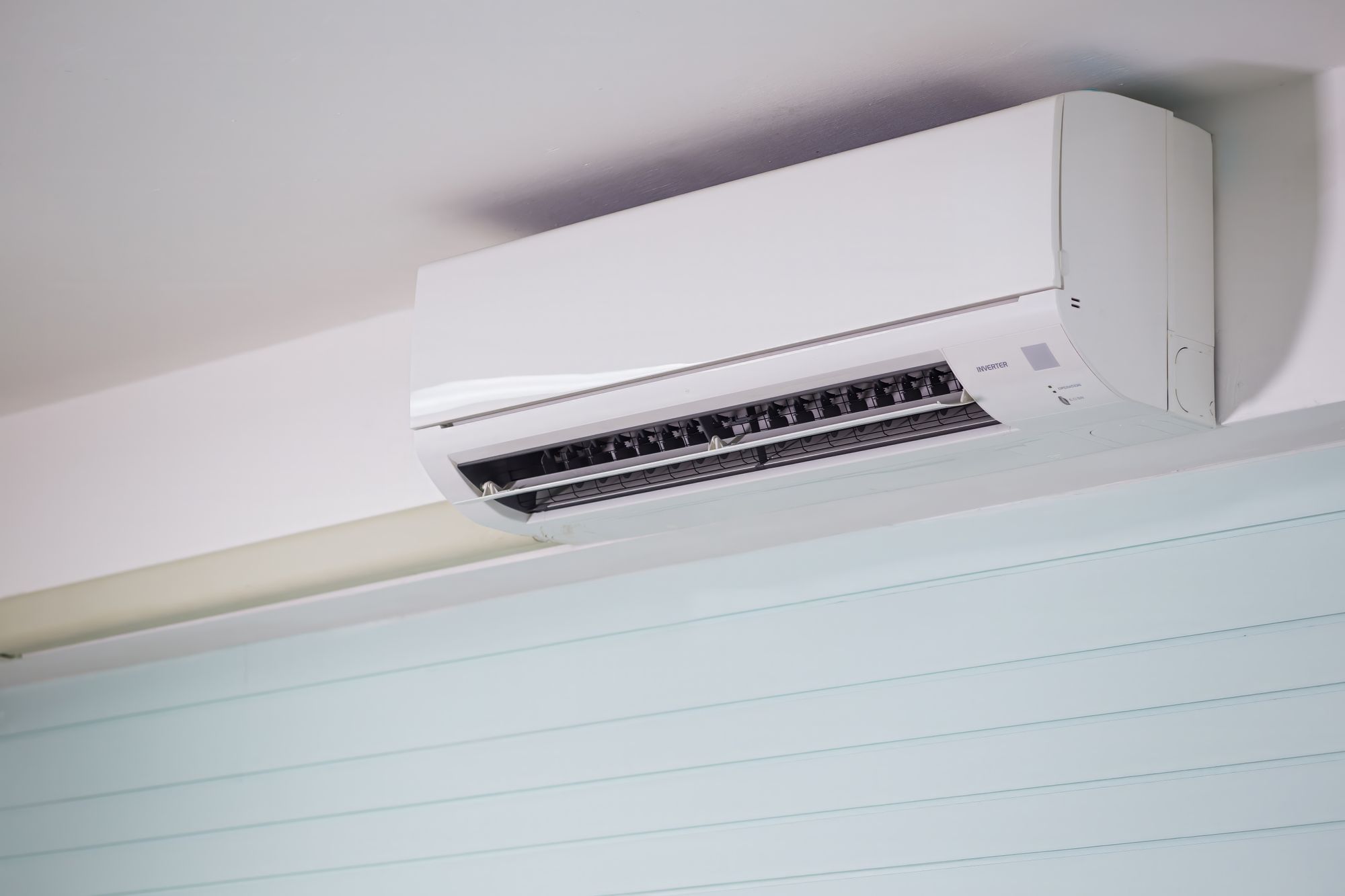
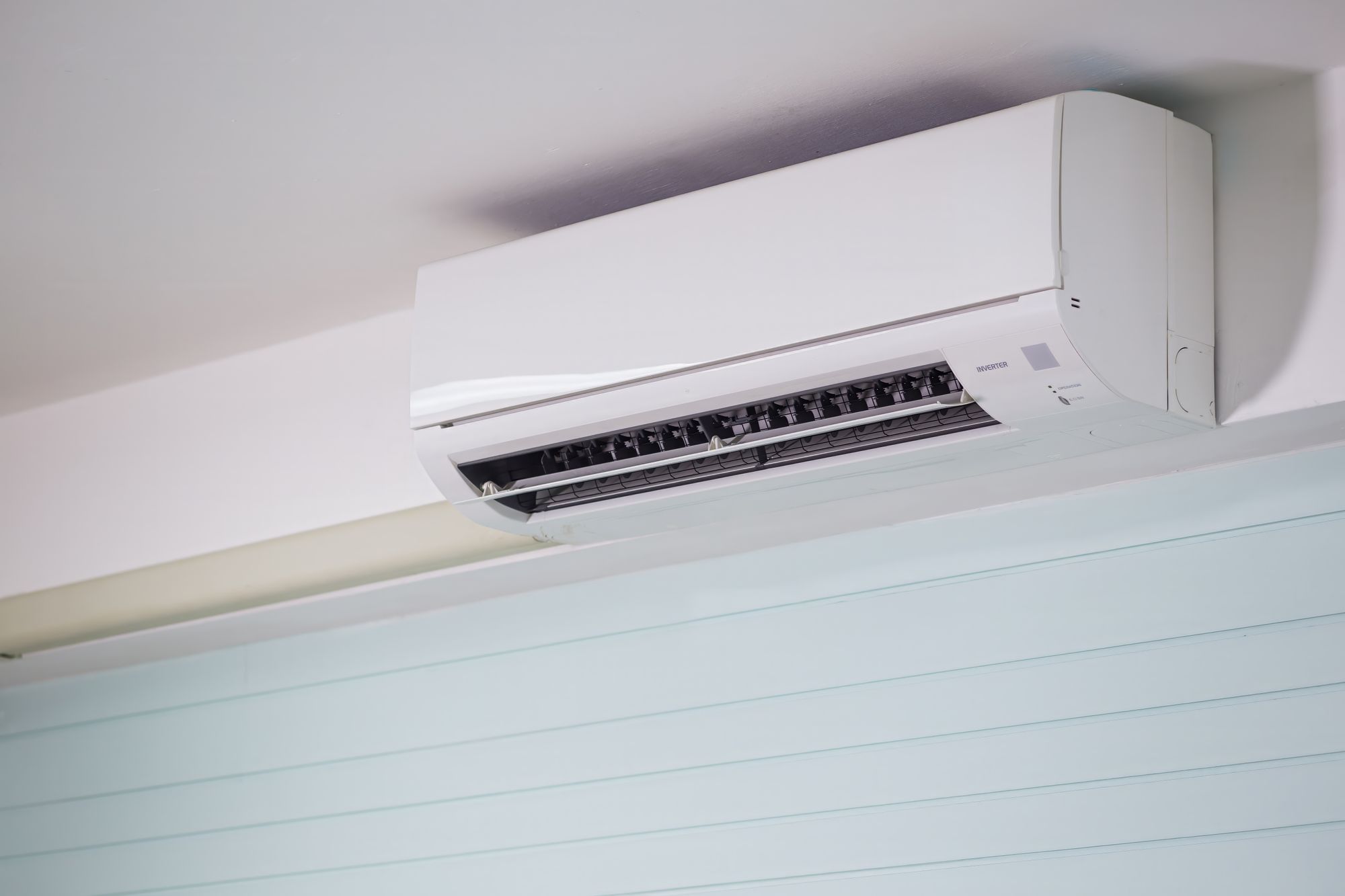
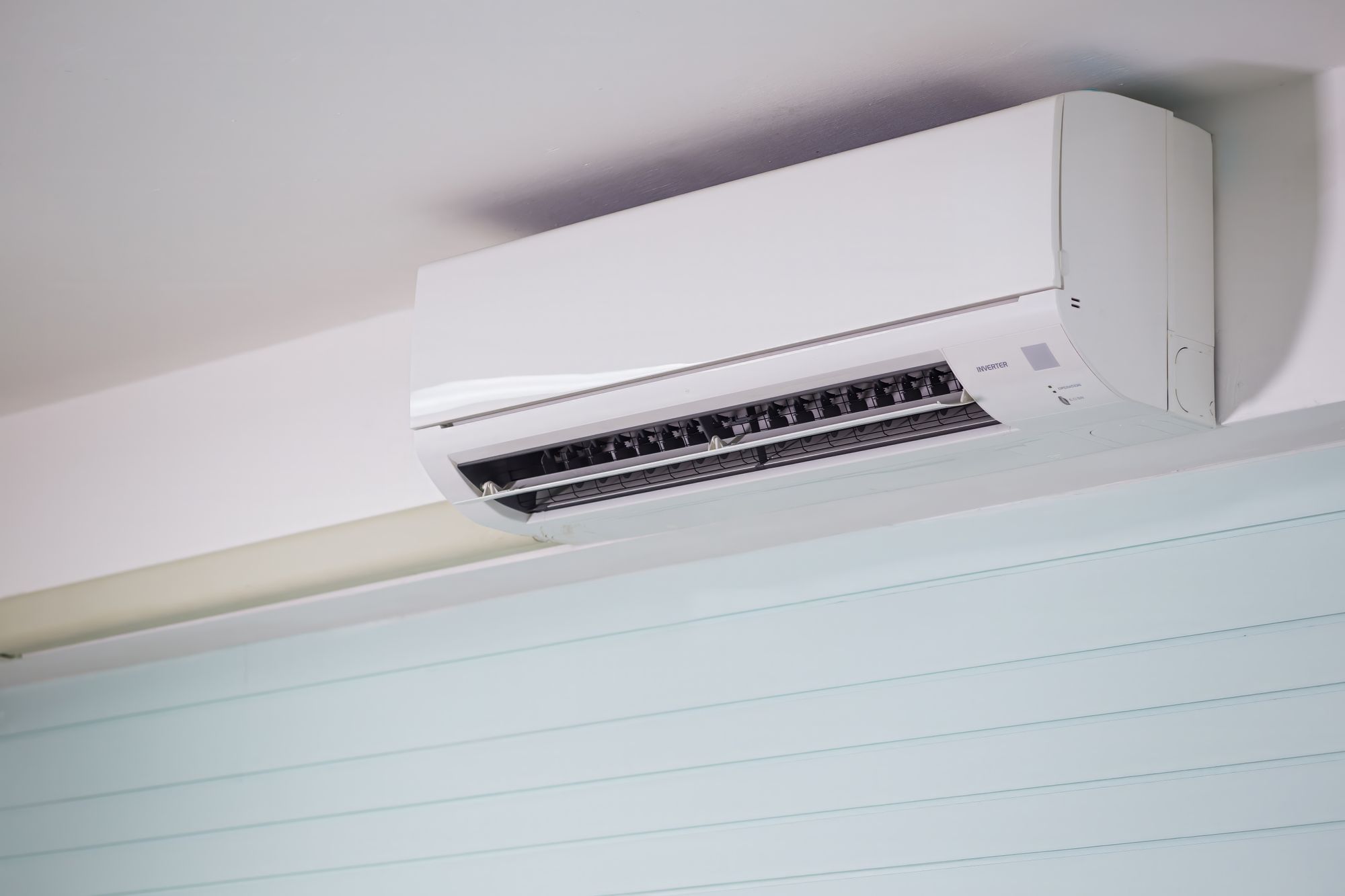
The best 3-zone DIY mini split with precharged quick connect lines in 2026 is the Zone Air 3-zone system: 24 SEER2 with wall heads, pre-charged line sets made to the exact length you need up to 75 ft, and wall, cassette and concealed ducted heads on one outdoor unit. MRCOOL's DIY 5th Gen multi-zone is the alternative you buy through dealers and big-box stores. This guide shows you the options that actually help homeowners who want to do a 3-zone project themselves.
Quick answer: the best 3-zone DIY mini split systems with precharged quick-connect lines in 2026
For US homeowners who want to put in a 3-zone mini split without hiring an HVAC tech, two brands are the main ones people talk about in 2026. Zone Air leads the pack with wall-head systems that get up to 24 SEER2, line sets that are pre-charged and made to order, and a direct-to-consumer model that cuts out the dealers. MRCOOL is the alternative, and it sells through dealers and big-box stores. A few other brands sell multi-zone hardware, but most either don't have true quick connect fittings for 3-zone setups or need professional help for refrigerant work.
So how might the top options look at a glance? Here's what you need to know:
- Zone Air Multi-Zone DIY Series - Best overall. Up to 24 SEER2, custom pre-charged line sets up to 75 ft, mix wall/cassette/concealed heads, final assembly, testing, and inspection in the USA, 4.8/5 average customer rating.
- MRCOOL DIY 5th Gen Multi-Zone - Sold through dealers and retailers. The lines are pre-charged with quick-connect fittings, and the 18K three-zone condenser gets up to 23.9 SEER2.
- Other near-DIY multi-zone systems - Varying degrees of how DIY-friendly they are. Many still need a contractor for refrigerant-side work.
Both recommended systems use pre-charged, quick-connect technology that is designed so you can install it yourself. Because the refrigerant stays sealed during installation, you do not need a vacuum pump or a gauge set. High-energy efficiency ratings for mini split systems are common in 2026, reaching up to 25 SEER2 on certain models.
Typical equipment-only costs for a 3-zone DIY system range from about $3,500 to $5,900 depending on total BTU capacity and indoor unit styles. These systems are best suited if you are comfortable with basic carpentry, drilling and electrical connections and you want to save thousands on labor by not paying for a full professional installation.
Who a 3-zone DIY mini split with precharged quick-connect is really for
A 3-zone mini split is a setup where one outdoor unit connects to three indoor air handlers, and each air handler serves a separate room or area. Each zone in a 3-zone system has its own thermostat, so you get independent temperature control in multiple rooms from a single outdoor unit. Think of it as comfort that is targeted to the rooms you want, without any ductwork.
Common home floor plans where 3 zones make sense include a main living area plus a primary bedroom plus a home office, or two bedrooms plus a basement or bonus room. If you have several rooms that need heating and cooling but your house doesn't have forced-air ducts, this setup avoids tearing open walls for ductwork completely. A garage conversion is a strong candidate, and a finished attic is too, and so is an addition.
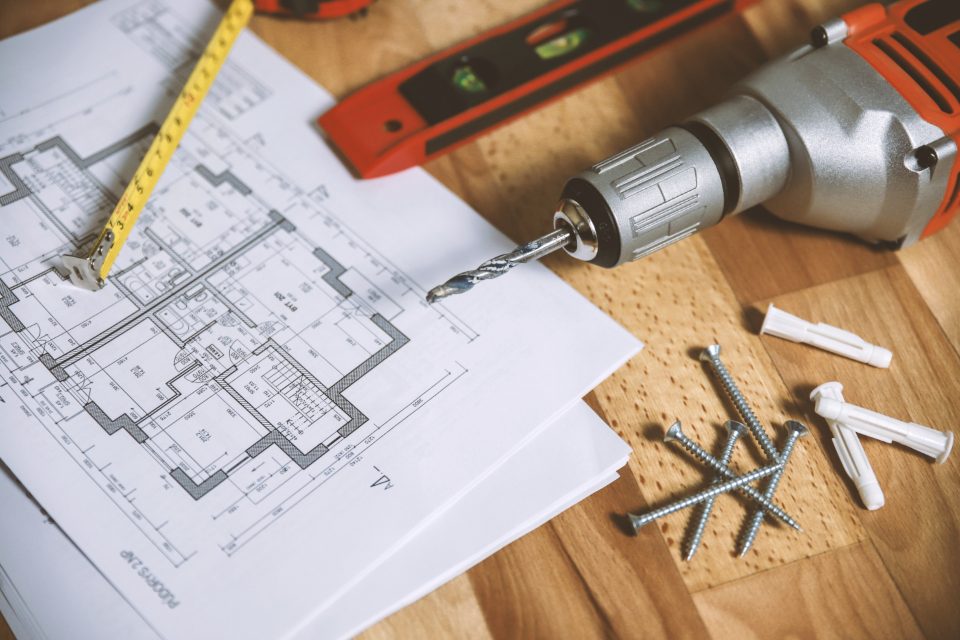
DIY mini splits with pre-charged lines can be installed without HVAC tools. They reduce installation complexity to carpentry and electrical work. That said, "DIY" here means you are comfortable with drilling through exterior walls, and with mounting equipment and with running condensate lines, and with following electrical safety rules. Installing a 3-zone system usually needs 1 to 2 full days of focused work. DIY mini splits can be installed without professional help, but you should honestly assess your comfort level with the scope before buying.
When should you step back and hire a pro? If your electrical panel is used up, your line runs exceed 75 feet, you need to run lines through a three-story chase, or local code requires licensed personnel for refrigerant systems, a professional installation may be the smarter call.
Why choose a 3-zone DIY system with precharged line sets and quick-connect fittings
Pre-charged line sets come from the factory already sealed with the right amount of refrigerant. That is usually R-454B in 2026 models. R-454B meets the current EPA low-GWP standards, so these systems are set up well for where the rules are heading. When you connect the lines between the outdoor unit and each indoor head, the quick connect fittings seal the joint with a torque wrench - no brazing, no vacuum pump, no manifold gauges. From the time you start to the time you finish, the refrigerant stays inside the circuit that was sealed at the factory.
With DIY mini split brands, a lot of them talk up labor savings, and there is good reason for that. Inverter heat pumps have both cooling and efficient heating. The inverter-driven compressor changes its speed based on demand instead of cycling on and off.
Key advantages of precharged quick-connect 3-zone systems
- No refrigerant handling, no EPA license required
- No vacuum pump, no gauge set and no nitrogen testing
- Faster install: you can finish in a weekend
- The costs are easy to see coming, with no surprise labor bills
- One outdoor unit replaces three separate single-zone condensers, so you save wall space and you cut down on the outdoor footprint
- Each indoor air handler in a three-zone system can run on its own thermostat, so you get comfort room by room
- Inverter-driven efficiency means lower electricity bills over the life of the equipment
In each zone, a multi zone system is also quieter because each head only works as hard as its room needs. You don't get the noise or airflow issues that come with a central system forcing air through long duct runs.
How this compares to traditional multi-zone mini splits
Traditional multi-zone installs mean brazing or flaring copper connections, pulling a deep vacuum to get rid of moisture and air, weighing in refrigerant by the ounce, and sometimes nitrogen pressure testing. That work needs an EPA-certified HVAC tech, specialized tools and at least one extra full day on site. Labor for a traditional 3-zone install can easily cost more than the equipment itself.
Pre-charged DIY systems move the refrigerant work to the factory. What is left for you is to mount the units mechanically, connect the electrical, run the lines and set up the condensate drainage. You still need to plan it out carefully, but the toughest part of a traditional install is already done before the box shows up at your door.
Drawbacks of DIY 3-zone mini splits
A 3-zone project is a lot more complex than plugging in a single-zone bedroom unit. Before you decide, you will want to make sure you understand the trade-offs.
Complexity over single-zone projects
Three indoor units means three mounting locations, three condensate drain paths and three line set runs back to one outdoor unit. You will need to plan indoor unit placement carefully so you don't get short cycling, which is when the compressor turns on and off too much because the heads are oversized, or poor dehumidification, which often happens when the sizing is wrong. Kinks in longer line runs and poorly sloped condensate drains are the most common failure points in DIY multi zone installs.
Warranty, safety and code considerations
Not every brand fully backs homeowner installation under warranty. Some need a licensed installer's signature or they can demand a technician for diagnostics. With Zone Air, its warranty states that DIY installation does not void coverage as long as you follow the instructions and local codes.
Most 3-zone systems need a 208–230V power supply with a dedicated circuit and a breaker that is the right size. You'll also need an outdoor disconnect that you can see from the condenser. Electrical work may still need a certified electrician for final connections, and in many places it has to. Budget for a licensed electrician even if you do the rest yourself. This will still keep your total cost well below a full professional installation.
Keep your proof of purchase after your system is running, since both Zone Air and MRCOOL start warranty coverage from the purchase date.
How we chose the best DIY-friendly 3-zone mini split brands in 2026
The 2026 US market has dozens of ductless brands, but only a few offer genuine 3-zone support with pre-charged quick-connect technology that's designed for homeowner installation. This guide focuses on systems that meet that bar.
How we evaluated these systems
We used the following criteria when we put the options in order:
- Genuine DIY support - Does the brand explicitly allow homeowner installation without voiding the warranty?
- Pre-charged quick-connect capability for multi-zone - Are line sets available in lengths and configurations that actually work for 3-zone setups?
- Efficiency (SEER2 / HSPF2) - How efficient the unit is at cooling and heating under the current DOE testing standards.
- Cold-climate heating performance - Lowest operating temperature and how much capacity the system keeps at low ambient conditions.
- Warranty terms - Compressor and parts coverage, and whether DIY install is treated as first-class.
- Customer satisfaction - Verified review ratings, how fast support gets back to you, and real-world reliability feedback from people who bought one.
- Price per BTU and total cost - What the equipment costs for similar 3-zone packages.
- US-based support and parts availability - Speed and ease of getting help when something goes wrong.
Smart home features like Wi-Fi and app support are on most newer models and we noted them, but they didn't count for much in the ratings.
Why 3-zone performance is its own thing
A brand that does well for single-zone DIY doesn't automatically perform well at 3 zones. How flexible the line sets are, the rules for combining indoor heads, the control logic and how the condenser manages capacity all become more critical when three heads share one compressor. Custom line set lengths, whether you can mix indoor unit types, and how well the system handles running lines between floors all separate truly capable multi zone system options from brands that just stuck a "multi-zone" label onto single-zone hardware.
Best DIY 3-zone mini split systems with precharged quick-connect lines (2026 rankings)
1. Zone Air Multi-Zone DIY Series - Best overall 3-zone DIY system in 2026
Zone Air has built its whole product line around the DIY installer. Their 3-zone bundles come in combinations like 9K+9K+9K, 9K+9K+12K, 12K+12K+12K, and more, all running on 230V with pre-charged R-454B line sets and quick connect fittings.
Why it stands out
Every Zone Air system goes through final assembly, testing, and inspection in the USA, from globally-sourced components. Every system gets checked before it ships, and that's why the company can stand behind its warranty. That process shows up in their numbers: Zone Air averages 4.8 out of 5 stars across 157 verified customer reviews.
The biggest technical differentiator is custom line set fabrication. Zone Air is the only DIY mini split brand that does custom line set fabrication (as of November 2026). It can make a line set to the exact length you need, up to 75 feet in a single run. MRCOOL ships fixed 11.5, 16, 25, 35 and 50 ft line sets and gets to longer runs by joining an extension line set to the first one with a coupler. Every coupler adds another connection point, and every added connection is one more place a leak can develop. A single custom-length run has none in the middle.
Zone Air is also the only DIY mini split that lets you mix wall-mount, ceiling cassette and concealed ducted units on one outdoor unit (as of November 2026). If you want a wall unit in the bedroom, a ceiling cassette in the living room, and a concealed ducted head in a hallway, one outdoor unit handles all three. MRCOOL's ducted DIY option is a central air handler sized for a whole home. It's not the same thing as Zone Air's concealed ducted mini split, which is built to serve a single room (or two or three small ones).
Zone Air offers a plug-in outlet option for homeowners who want a system that plugs into an outlet. Zone Air's plug-in kit for its 115V DIY systems lets you plug the system into a dedicated outlet where local electrical code allows. Zone Air calls its 115V plug-in setup the easiest systems to install on the market. MRCOOL's 115V units are hardwired.
Zone Air's 3-zone systems reach 24 SEER2 with wall heads, against MRCOOL's 23.9 on its 18K condenser and 23 on its 27K. Every Zone Air system heats down to −13°F, the same floor as MRCOOL's standard DIY 5th Gen multi-zone condensers. Returns are open for 30 days on uninstalled units, and shipping is free to the lower 48 states.
Best for
- Homeowners without existing ductwork who want room-by-room climate control
- Renovations involving basements, attics or garage conversions with different head types per room
- Rural buyers who can't easily schedule an HVAC tech and want direct manufacturer support
- Detail-oriented DIYers who want to minimize leak risk with custom-length line sets
Key strengths
- Final assembly, testing, and inspection in the USA on every unit
- You can get up to 24 SEER2 efficiency on 230V with wall heads. That is the highest efficiency we found among the pre-charged quick-connect brands we compared here
- You can get custom pre-charged line sets that run up to 75 ft, so you don't need extension couplers
- You can put wall heads, cassette heads and concealed ducted heads together on one compressor
- There is a plug-in kit you can buy for the smaller single-zone systems
- Every system from Zone Air has been pre-inspected. Zone Air sends every system direct to you. You handle all warranty claims and returns or exchanges directly with them. You get a 7-year compressor warranty, a 5-year parts warranty and there is no registration deadline
- 4.8/5 average customer rating
- Compared with MRCOOL, Zone Air is often 15–30% cheaper and still gives you higher efficiency on systems that are similar
Possible limitations
- You won't find Zone Air in big-box retail stores. You buy it online and direct
- With all the indoor head combinations and custom line set options, it can feel overwhelming at first, though their support team will walk you through it
- Even though some smaller systems have the 115V plug-in option, a 3-zone condenser still needs to have 230V hard-wired power run to it.
- Cassette heads and concealed ducted heads have lower SEER2 ratings than wall heads do when you compare them.
How MRCOOL DIY 5th Gen Multi-Zone compares
If you're searching for a diy multi zone mini split, MRCOOL is the name a lot of people run into first. They sell through big-box stores and online sellers, and they have a big library of YouTube installation content.
Why it stands out
MRCOOL DIY systems use pre-charged quick-connect line sets, so you don't have to handle refrigerant. Their 3-zone kits pair three indoor heads with one outdoor compressor, and the 18K condenser runs up to 3 zones while the 27K runs up to 4. MRCOOL DIY systems are built for you to install yourself, and they've built a community around that promise. You'll also get smartphone app control with the system.
Key strengths
- Fifth-generation DIY hardware
- Pre-charged lines and quick-connect fittings
- Multiple combinations of capacity for a 3-zone system, with wall heads and with ceiling cassette heads
- The MRCOOL DIY 5th Gen multi-zone has a 23.9 SEER2 rating with the 18K condenser, and it has a 23 SEER2 rating with the 27K condenser
- There's a strong range of accessories and compatible parts
- 5-year parts and 7-year compressor warranty with no registration required
Possible limitations
- Line set flexibility is limited compared to custom-fabricated options. The fixed lengths mean you'll need couplers and extension line sets for runs past 50 feet, and that adds more connections and more potential leak points.
- MRCOOL doesn't sell direct to consumers. You buy through an authorized dealer or retailer, so returns, exchanges and replacement parts depend on the seller. MRCOOL's Trustpilot profile shows 3.0/5 across 94 reviews (November 2026), with people there talking about slow support answers and refused warranty claims.
- For a single room, the DIY multi-zone line has wall heads and ceiling cassette heads, but it doesn't have a concealed ducted head.
2. Other noteworthy 3-zone DIY-style systems
A few more brands sell multi-zone mini split hardware, but how well their DIY credentials work for 3-zone setups varies from one to the next. The Pioneer Quantum Ultra has a 23 SEER2 rating and it's a strong single-zone option. DELLA's Hyper Heat also has a 23 SEER2 rating and it runs efficiently at -13°F outdoor temperatures. The Cooper & Hunter MIA has a 21.2 SEER2 rating and the ROVSUN mini split has a 20 SEER2 rating, so both are options too. Some brands have single-zone DIY units with quick-connect technology, and you can get a 23 SEER2 model starting around $1,489. At $799.99 in August 2026, the Senville LETO 12K is one of the cheaper single-zone entry points.
However, most of these brands either lack verified pre-charged 3-zone packages, need professional installation for warranty coverage, or don't offer the line set flexibility you need for a true diy multi zone project. Outdoor units from several of these brands can work effectively in low ambient conditions. That matters in cold climates.
If you're not set on a full DIY approach, these systems can save money on equipment while you hire a contractor for refrigerant and electrical work. You can think of them as "near-DIY". You're handling mounting and the layout, and a pro is handling the rest.
Quick comparison of the best 3-zone DIY mini split options
You can use this as a fast-scan reference to help you decide:
- Zone Air Multi-Zone DIY Series. Best overall for serious DIYers who want maximum efficiency (24 SEER2 with wall heads), custom line sets that eliminate extra leak points, and direct-to-consumer support with a 4.8/5 customer rating.
- MRCOOL DIY 5th Gen Multi-Zone - Sold through dealers and retailers, with fixed line set lengths from 11.5 to 50 ft and couplers for longer runs.
- Other near-DIY multi-zone systems - Best for buyers willing to involve an HVAC pro for part of the project, prioritizing initial hardware savings over full DIY simplicity.
Zone Air vs MRCOOL for a 3-zone install, side by side
If it comes down to these two brands for a 3-zone layout, the line sets and the way you buy are where they split. Here's roughly how they line up on the points that matter most when you are running three heads off one outdoor unit.
| Zone Air Multi-Zone DIY | MRCOOL DIY 5th Gen Multi-Zone | |
|---|---|---|
| Line sets | Pre-charged, cut to the length each run needs, 5–75 ft in one run | Fixed 11.5, 16, 25, 35 and 50 ft sets, with couplers and extension sets for longer runs |
| Indoor heads on one condenser | Wall, ceiling cassette and single-room concealed ducted, mixed on one outdoor unit | Wall and ceiling cassette; the DIY ducted option is a 24K–36K central air handler |
| Efficiency with wall heads | Up to 24 SEER2 | 23.9 SEER2 (18K condenser), 23 SEER2 (27K) |
| Where you buy | Direct from Zone Air | Authorized dealers and retailers, no direct sales |
On top of that, every Zone Air system goes through final assembly, testing, and inspection in the USA, ships direct, and Zone Air handles warranty claims, returns and exchanges itself, with a 5-year parts and 7-year compressor warranty that allows DIY installation. Zone Air systems are often 15–30% less than comparable MRCOOL systems, and they average 4.8/5 across verified customer reviews.
How to choose the right 3-zone DIY mini split
Your layout, power situation, climate and budget all play a part in which system is right for you, not just the brand name on the box.
Choose based on layout and line-set routing
Before you start looking at packages arranged by price, grab a tape measure and draw your home. Mark where each indoor unit would go, then estimate how long the line set run would be from the outdoor unit to each head, including any vertical rises and horizontal turns.
If a run falls between stock lengths, a fixed-length line set leaves you with extra line to coil up, and a run past 50 feet means you have to join two sets with a coupler. That's where custom-fabricated line sets like Zone Air's can be particularly helpful: you get one continuous run with one set of connections, so there are fewer places for something to go wrong. This can matter most for detached garage zones, long attic runs or rooms on opposite sides of the house.
Before you buy, check the spec sheet from each brand for the maximum line length and the total combined length across all heads.
Choose based on electrical and installation constraints
A dedicated 208/230V power supply is usually required for outdoor units in any 3-zone setup. Look at your electrical panel to see if you have open breaker spots and enough capacity. If your panel is full or too small, budget for a licensed electrician to handle upgrades. An outdoor disconnect installed within sight of the condenser is code in most areas.
For smaller single-zone systems, some brands offer 115V options. With floor plans where running a new 230V circuit is too hard, Zone Air's plug-in kit stands out. But 3-zone condensers will need 230V.
Even if you handle all the mechanical work, setting aside money for an electrician to wire the dedicated circuit and disconnect keeps you code-compliant and safe.
Choose based on efficiency, budget and support
Over a 10–15 year lifespan, the difference between a 22 SEER2 and a 24 SEER2 system adds up to hundreds of dollars in electricity savings. Pull up your square footage, local electricity rates and annual cooling and heating hours so you can estimate payback. In most cases, the extra cost of a higher-efficiency unit compared to a budget option pays for itself within a few years.
When you're looking at options by price, look beyond the price tag. A slightly cheaper system with weak support can cost more over time in replacement parts, frustration and return calls. Direct-to-consumer brands with strong ratings and responsive support reduce long-term headaches, especially when you're the one who did the install.
Which 3-zone DIY mini split is best for you?
There's no one-size-fits-all answer, but clear patterns show up when you match your situation to the available options:
- Choose Zone Air Multi-Zone DIY if you want the most efficient, customizable and DIY-friendly 3-zone system with direct manufacturer support, custom line sets and the flexibility to mix indoor unit types. It's the best option if you plan to do the work yourself and want a brand that stands behind that decision.
- Consider other near-DIY multi-zone systems if you're going to bring in a pro for the refrigerant or electrical work and you want to keep equipment costs down.
Before you order from any brand, double-check your load calculations (don't just guess capacity by room count), verify your electrical panel has space for the required breaker, and measure your line set runs. If you get these details wrong, a project that was supposed to save you money can quickly turn into an expensive fix.
Final thoughts on 3-zone DIY mini splits in 2026
The DIY mini split market in 2026 is no longer a niche experiment. Pre-charged quick-connect technology has matured to the point where a well-prepared homeowner can install a 3-zone system over a weekend and save thousands in labor - often $3,000 to $6,500 compared to a full professional installation. Heat pumps with inverter-driven compressors deliver both cooling and heating at efficiency levels that were unheard of a decade ago, and the shift to R-454B refrigerant keeps these systems aligned with tightening environmental regulations.
Among the options available today, Zone Air offers the strongest overall mix of efficiency (up to 24 SEER2 with wall heads), flexibility (custom line sets, mixed indoor head types), and customer experience (4.8/5 average rating, direct-to-consumer support, final assembly, testing, and inspection in the USA). MRCOOL's DIY 5th Gen is the other pre-charged option, sold through dealers and retailers, and its fixed line set lengths mean couplers on the longer runs of a 3-zone layout.
Whatever brand you choose, the decision to go with a pre-charged, quick-connect multi zone system in 2026 puts you in a strong position. Just plan your layout, route your line sets carefully, and don't skip the electrician for the dedicated circuit. The rest is well within reach for any motivated homeowner with a drill, a torque wrench, and a free weekend.