9000 BTU 110V Mini Split: Best Options & What to Know Before You Buy
If you're searching for a 9,000 BTU 110V mini split, here's the short answer from my own research and installs here in Wilmington: most units labeled "110V" are actually rated 115V on the nameplate and plug right into a standard 120V household circuit - no special 230V service needed. The one I'd buy for a DIY-friendly 9k 115V system is the Zone Air 9K 115V: 23 SEER2, heating down to -13°F, and a pre-charged line set cut to the length your run needs, so you install it without a vacuum pump or gauges. Cooper & Hunter's single-zone 9K 115V models and Senville are the alternatives if you're hiring a tech to vacuum and charge the lines. MRCOOL's DIY 5th Generation line also includes a 9K 115V model. A 9,000 BTU unit equals 0.75 TON of cooling capacity and is sized for bedrooms, home offices, bonus rooms, and small apartments in that 300–400 sq ft range - perfect for adding climate control to a single zone without tearing into your ductwork.
Types of 9000 BTU 110V Mini Split Systems
Not all 9k 110/115V mini split systems are built the same. The differences come down to how they're installed, where the indoor unit mounts, and whether they cool only or work as a full heat pump. Here's how the range breaks down.
DIY-Friendly 9,000 BTU 115V Mini Splits
With a DIY-friendly mini split ac, you can get a complete installation kit: pre-charged line sets with quick-connect fittings, a communication cable, an indoor unit and an outdoor condenser. It is all designed so a homeowner can install the system without having to own a vacuum pump or refrigerant gauges. Zone Air's 9K 115V is my pick here: it's rated 23 SEER2, runs on a dedicated 15A circuit, and with the optional cord kit it can plug into a dedicated outlet where local code allows. MRCOOL's DIY 5th Gen 9K 115V is another example, and it's built around pre-charged quick-connect line sets that come with instructions that show you what to do step by step. These kits make the most sense in older homes that do not have existing ductwork, upstairs bedrooms that the central system can't quite reach, or bonus rooms over garages where running new ducts would be hard and expensive.
Contractor-Install 9,000 BTU 115V Units
Standard 9k 115V mini splits still run on the same household voltage, but they require a licensed HVAC tech to pull vacuum, pressure-test the lines and charge the refrigerant. Brands like Cooper & Hunter, Gree, and Pioneer are common in this space. You'll find them at HVAC wholesalers and online retailers. The unit itself can be cheaper to purchase up front than a DIY kit, but you add labor cost on top. If you're not comfortable drilling wall penetrations, running electrical or making flare connections on refrigerant lines, a contractor-install unit with professional setup is the smarter move.
Wall-Mounted vs. Ceiling and Floor Console 9k Units
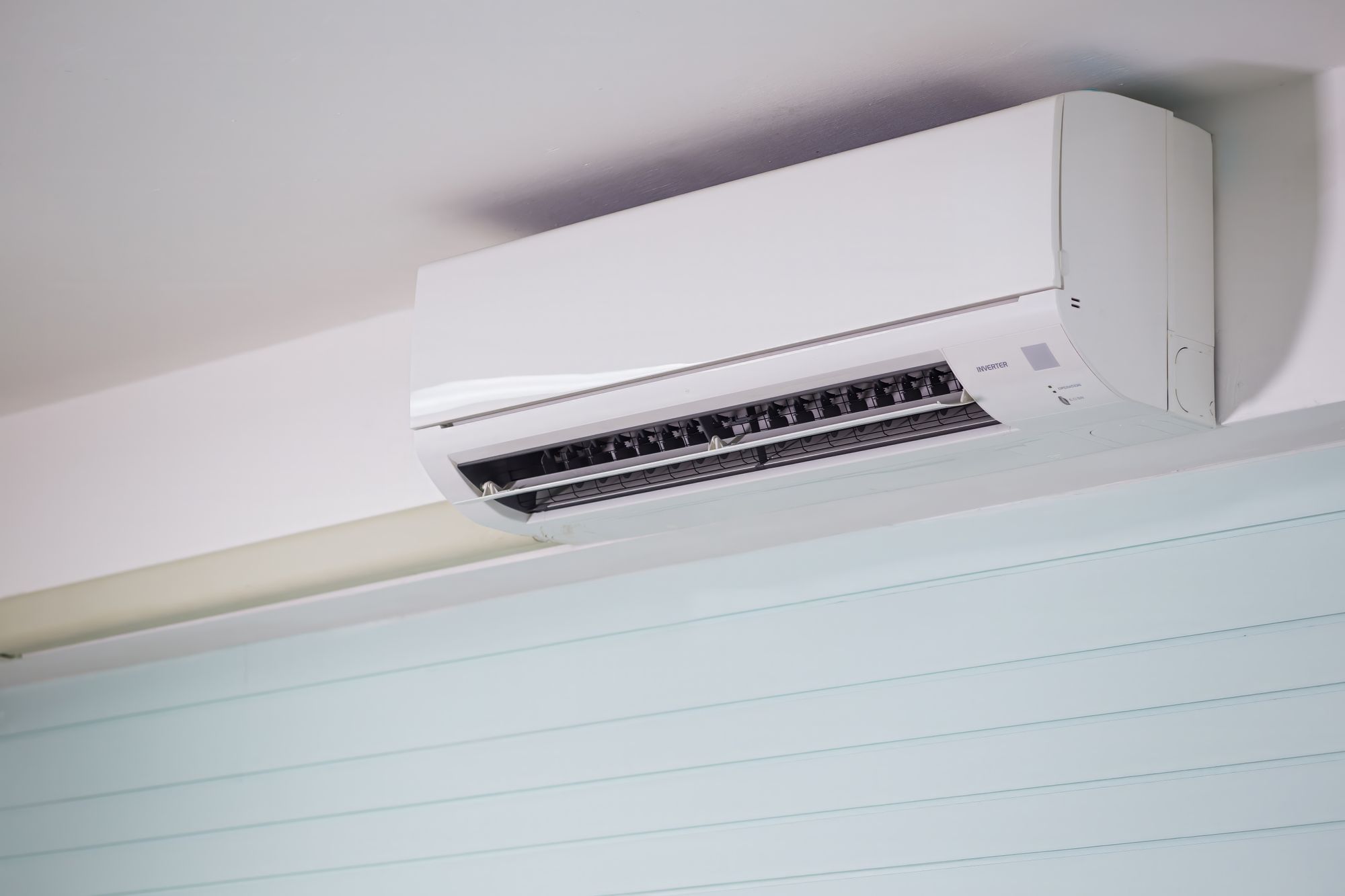
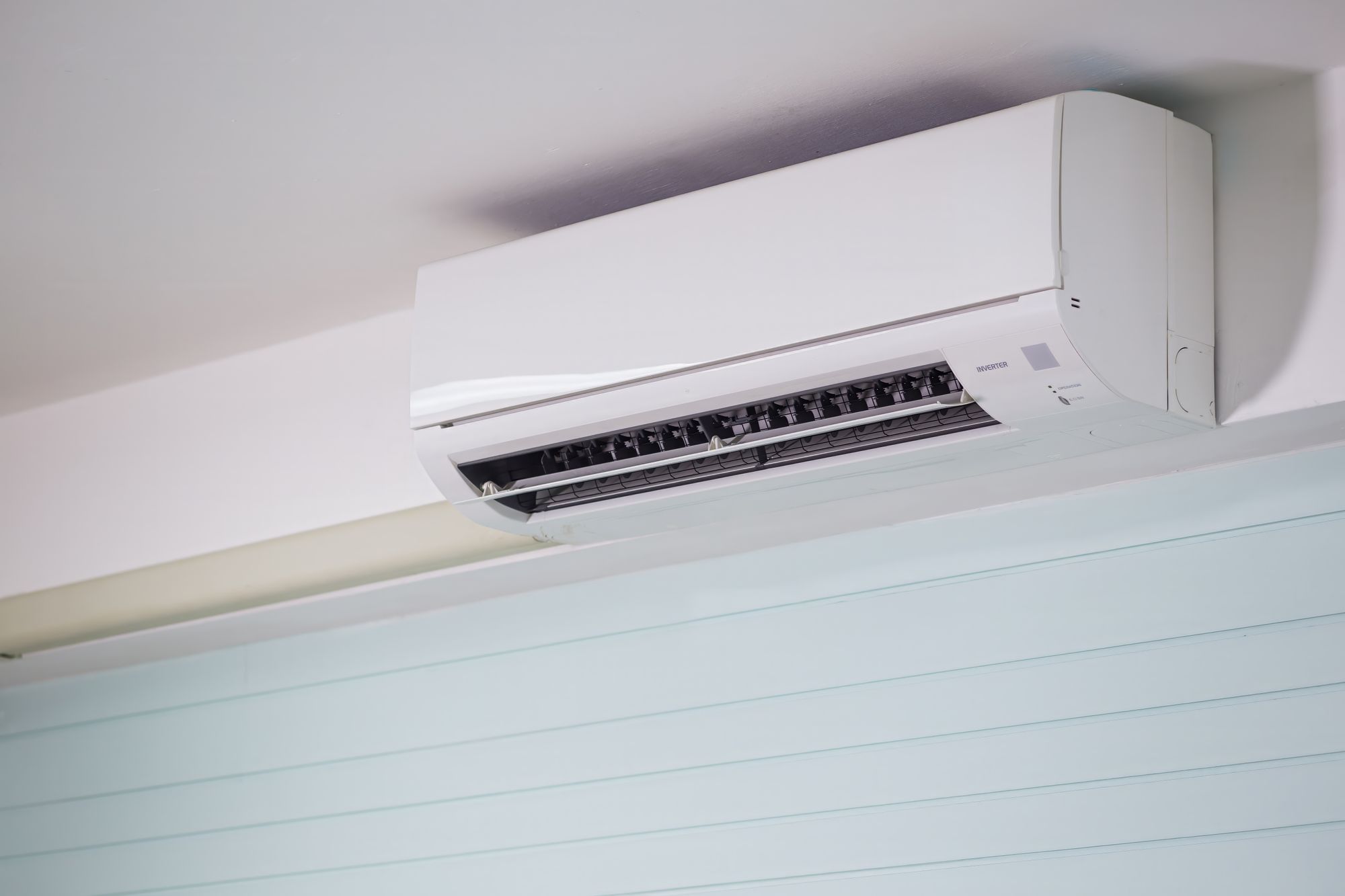
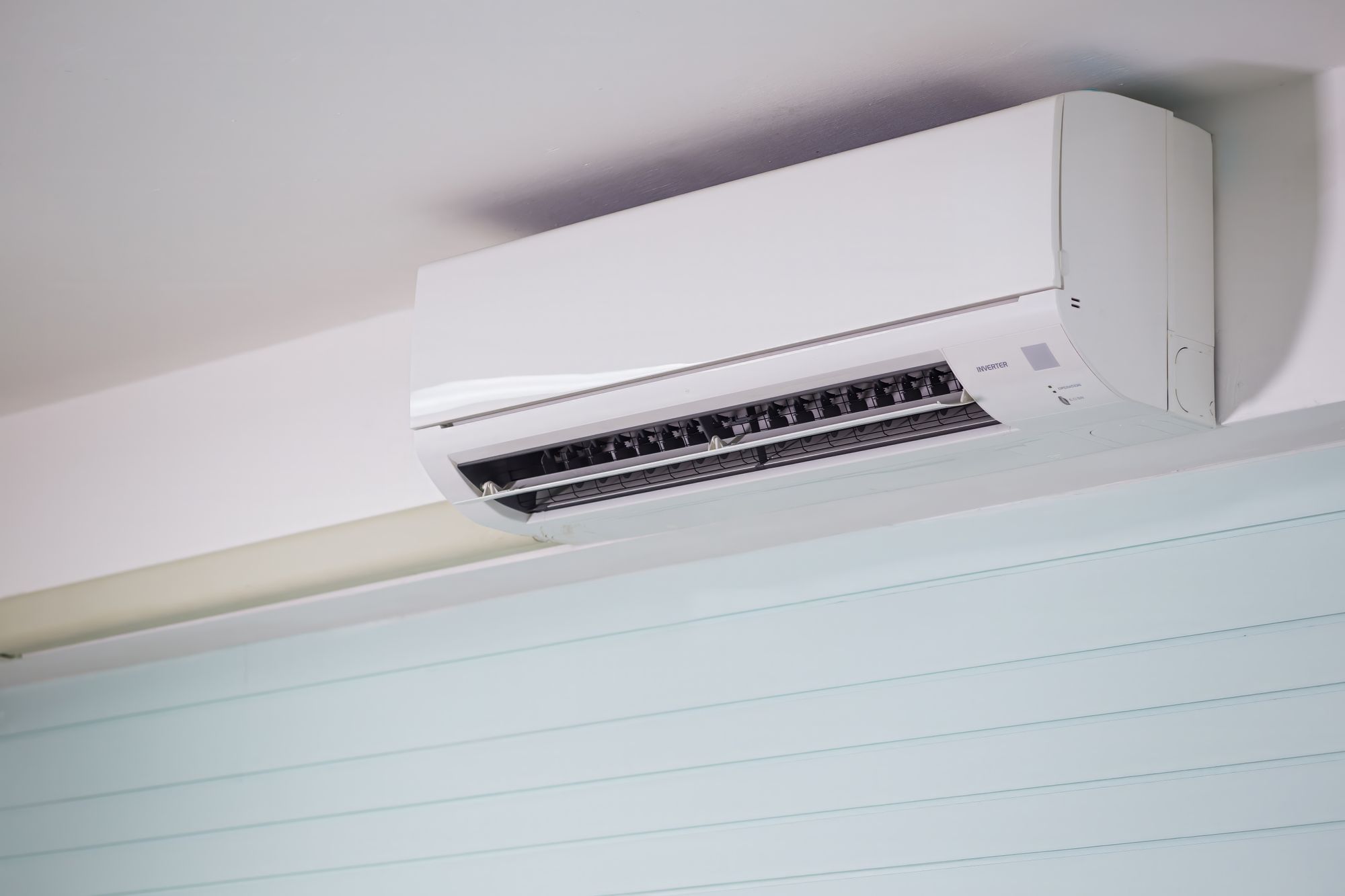
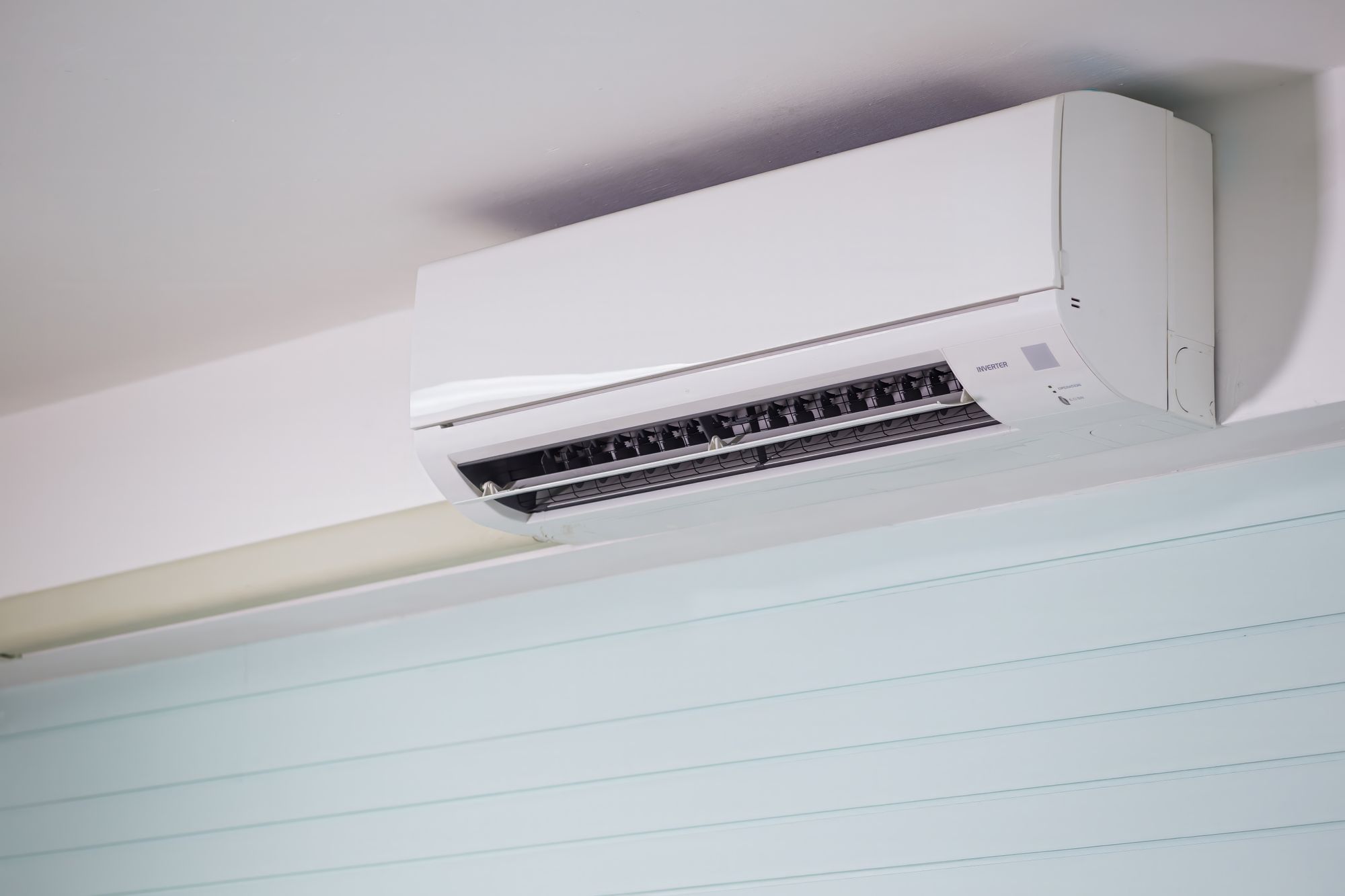
Most 9,000 BTU 115V systems ship as wall-mounted air handlers, and for good reason - they're the simplest to install and work great in standard bedrooms and offices with open wall space above a window or door. That said, slim ceiling cassettes and floor consoles exist in this size for rooms where a wall mount doesn't fit: think sloped ceilings, knee walls in attic conversions, or spaces where furniture blocks every viable wall location. For the 9k class, wall-mounted units dominate the DIY market; floor and ceiling styles tend to show up more in contractor-install lines.
Cooling-Only vs. Heat Pump 9,000 BTU 115V Systems
A cooling-only mini split ac does exactly what the name says - it's strictly an air conditioner. A heat pump model reverses the cycle to deliver both heating and cooling from the same system. Most modern 9,000 BTU mini splits function as reversible heat pumps, and in a climate like coastal North Carolina, that means I get shoulder-season heating without firing up the furnace. Many 9k 115V heat pump units maintain capacity down to around 5–14°F, which is more than enough for Wilmington winters. If you live in a zone that regularly drops well below zero, you may want to look at cold-climate models - but those are often 230V and a different conversation.
What to Look For in a 9000 BTU 110V Mini Split
Beyond "9,000 BTU" and "110V," there are real specs that separate a unit you'll love from one that frustrates you. Here's what actually matters.
Room Size and Climate Load
A 9,000 BTU mini split air conditioner cools spaces of 300 to 450 square feet under standard conditions: 8 ft ceilings, decent insulation and moderate sun exposure. In my Wilmington bedroom, which is roughly 12×14 ft, east-facing, with good insulation, 9k is more than enough. But if you've got big west-facing windows, vaulted ceilings or poor insulation, you'll need to adjust. Increase BTU for ceilings higher than 8 ft, and use a BTU calculator for precise sizing recommendations because prolonged usage of underpowered units can lead to inefficiencies and dissatisfaction. Conversely, oversized units won't dehumidify properly. They cool the air too fast and shut off before pulling moisture out, which is a real problem in humid environments like the Southeast.
Electrical Requirements for 110–115V Units
"110V" mini splits are usually labeled 115V on the nameplate. They run on standard 120V service. A 9,000 BTU unit will typically pull 10 to 15 amps at peak load, and most manufacturers call for a dedicated 15- or 20-amp breaker. The MRCOOL 9K DIY, for example, requires a minimum circuit ampacity of 18A with a maximum 20A fuse. If your panel is out of spare breaker slots, or if it is a long run from the panel to the outdoor unit, you'll probably need an electrician to add a circuit. Even though the voltage is "just" household power, the current draw means it needs its own dedicated line - don't tap into an existing bedroom circuit.
SEER2, EER2 and HSPF2 Efficiency Ratings
SEER2 measures seasonal cooling efficiency, EER2 measures efficiency at peak outdoor temperature, and HSPF2 measures heating efficiency over a season. Higher numbers mean lower electricity bills. For 9k 115V units on the market in 2024–2026, here's what I'd call realistic tiers: around 18–20 SEER2 is good, 21–23 is better, and 24+ is premium. High-efficiency 9,000 BTU models often have SEER2 ratings between 18 and 25. Units rated at 20 SEER2 deliver high energy efficiency for most homeowners. In hot, humid climates like the U.S. Southeast, the difference between an 18 SEER2 and a 23.6 SEER2 unit shows up on your power bill every July and August. Many models also carry ENERGY STAR® ratings for efficiency, and mini splits can save up to 38% on energy costs compared to traditional systems. Inverter technology can provide up to 30% more energy savings over older fixed-speed designs.
Low-Temperature Heating Performance
When a manufacturer says "rated heating down to X°F," they mean the unit can still produce heat output at that outdoor temperature. Standard 9k 115V heat pumps are usually rated down to about 5–14°F, which is fine for a mild winter climate. Some newer models, like MRCOOL's standard DIY 5th Gen, are rated to operate in temperatures as low as -13°F, though the output tapers at the coldest end of that range, and higher-tier DIY models are rated lower. Mini splits can operate efficiently in temperatures as low as -22°F in certain hyper-heat designs, but those are often 230V units that are built for northern climates. Here in Wilmington, I've got a standard 9k 115V heat pump and it covers my heating needs through winter without issue.
Indoor and Outdoor Noise Levels
Noise matters, especially in a bedroom or home office. Indoor air handlers in mini splits can run as quiet as 23 to 28 decibels on low modes. The best ductless inverter models go even lower. MRCOOL lists 18 dB(A) for its 12K DIY wall head. High or turbo modes push into the 40–45 dB range, which you'll notice but it is still quieter than a window AC. The outdoor unit is where noise really lives. Expect around 50–60 dB(A) under load, with 54 dB(A) being typical for a quality 9k outdoor condenser. If the outdoor unit sits near a deck, patio or bedroom window, placement matters. Inverter compressors are generally quieter than older fixed-speed designs because they ramp up and down rather than cycling on at full blast.
Controls, WiFi and Smart Home Compatibility
Most 9k 115V mini splits ship with a remote control and offer WiFi connectivity that allows remote control via smartphone apps. Smart assistant integration supports Alexa and Google Home commands, so voice control from your phone or smart speaker is standard on many 2026 models. WiFi is genuinely useful if you are pre-cooling a vacation rental, adjusting the temperature on your way home, or managing a unit in a room you do not access often. One quirk I've run into: most mini split wifi modules only connect on 2.4 GHz networks, not 5 GHz - so make sure your router broadcasts both before you get frustrated during setup.
Warranty, Support and Parts Availability
Typical warranty terms for 9k 115V mini splits run about 5 years on parts and 7–10 years on the compressor. MRCOOL's DIY 5th Gen, for example, has 5 years of coverage on parts and 7 years on the compressor. DIY installation does not necessarily void the warranty, but you need to follow every step in the manual: the limits on line length, the wiring specs, the outdoor space requirements, all of it. With contractor-install units, some manufacturers need proof of licensed installation for full warranty coverage. Either way, buy from a brand that has U.S.-based support, clear manuals and replacement filters and remotes that are easy to get. I always take a photo of the nameplate and save the receipt. It's a real help if you ever need warranty service.
How to Choose the Right 9000 BTU 110V Mini Split for Your Home
Turning all those features into a decision comes down to a handful of practical criteria. Here's how I'd sort through it.
Key Decision Criteria
- Room size and layout - A 9,000 BTU unit works in spaces of 300–400 sq ft with standard ceilings. Rooms that are L-shaped, rooms with open stairs or rooms that connect to uninsulated spaces may need a bigger 12k unit or a second head to keep things comfortable.
- Climate and heating needs - If winters regularly drop below ~15°F and this will be your primary heating system, consider a cold-climate model (often 230V) instead of pushing a 115V unit beyond its efficient range.
- Electrical panel capacity - Check for open breaker spaces and check the overall load on the panel. If you are not sure whether your panel can handle a new 20A dedicated circuit, that is when I'd call a licensed electrician rather than taking a guess.
- DIY vs. pro installation comfort level - A capable homeowner can tackle a DIY 115V kit if they are comfortable with basic carpentry, drilling a 3-inch wall penetration, mounting the bracket and running 12 AWG wiring. Installing a 9,000 BTU mini split generally takes a first-timer about 4 to 6 hours to get it done. When any of that feels iffy, it is a good idea to hire a pro.
- Budget vs. long-term efficiency - A mid-range SEER2 unit (say 20) costs less up front when you buy it. With a premium model at 23–25 SEER2, you save more on energy over time, especially in hot, humid areas where you run cooling six or more months a year.
- Noise sensitivity and placement - For bedroom installs, choose a model with the lowest dB rating on low mode and plan your outdoor unit placement away from windows and decks.
Common Use Cases for a 9,000 BTU 115V Mini Split
Here are real-world scenarios where a 9k 115V mini split makes the most sense - situations I've either tackled myself or helped neighbors think through.
Hot, Humid Climate Bedroom or Nursery
In the Southeast, a typical 10×12 or 12×14 ft bedroom is the sweet spot for a 9,000 BTU 115V heat pump. You get quiet operation at night (some models hit 18–25 dB on low), independent temperature control separate from the rest of the house, and dehumidification that keeps the room from feeling damp. For a nursery, that quiet factor and the ability to adjust the temp without opening the door are huge.
Finished Garage, Workshop or Bonus Room
A one-car garage shop or finished bonus room over the garage is another perfect fit. These spaces are almost never covered by the central system, and a 9k 115V unit can handle the load if the room is reasonably insulated. If you've got an uninsulated garage door, bare concrete slab or the space regularly absorbs car heat, you may want to step up to 12k - but for a finished, insulated workshop, 9k usually handles it.
Home Office or Small Studio Apartment
Working from home, running a big central heating and cooling system just to keep one small office comfortable all day is a waste. A 9k 115V mini split keeps your office at the right temperature without having to condition 2,000 sq ft that you're not using. That saves you real money on your electricity bills. For small studio apartments, it is often the only system you need. It is efficient, it's quiet enough for Zoom calls. It is more eco-friendly than older window units.
Basic Installation Considerations (From a DIY Homeowner's View)
This isn't a full install guide - but here's what you should know before you commit to a 9k 115V DIY mini split, so you can decide whether it's a project you want to tackle or hand off.
Wall Penetration, Mounting and Condensate Drain
Ductless mini splits need only a small hole for the refrigerant lines and the power cables. Usually it is 2.75 to 3 inches through an exterior wall. Pitch the hole slightly downward toward the exterior so the condensate can drain by gravity. Anchor the wall bracket for the indoor unit into studs or use masonry fasteners that are right for the job. Route the condensate drain line so it can't backflow. It should not drip onto a walkway, or onto a deck or into the neighbor's yard. Penetrations that are not sealed well invite moisture, pests and drafts - use the putty and sleeve that came with the unit, and caulk the exterior side.
Electrical Hookup and Code Issues
You'll connect line-voltage wiring at the outdoor unit and run a low-voltage communication cable to the indoor unit, following the manual exactly. An outdoor unit requires adequate clearance and proper mounting to function effectively, plus most local codes require a disconnect switch within sight of the condenser. Proper installation must adhere to local building codes and regulations - pull permits if your jurisdiction requires them (Wilmington does for new HVAC and electrical). If you need a new circuit run from the panel, hire a licensed electrician.
Refrigerant Lines and Leak Testing
For DIY kits with pre-charged quick-connect line sets, the refrigerant is already in the system - you connect, tighten and you are done. No vacuum pump required. But careful routing matters: don't kink the lines, protect connections from stress and respect the maximum line length (MRCOOL's 9K allows up to 75 ft). Zone Air cuts its line set to your exact run, 5 to 75 ft in one piece, so there's no extra line to coil. For standard contractor-install units, a licensed HVAC tech needs to pull vacuum, pressure-test and release refrigerant - it's both a legal and warranty requirement in most areas.
When I'd Still Call a Pro
Even as a confident DIYer, there are times you'd want to pick up the phone:
- Multi-story installs where the outdoor condenser sits far below the indoor unit (height differences beyond about 25 ft get tricky)
- The line is running beyond the included kit length
- Complicated electrical panels with no spare breaker openings or outdated wiring
- There is no prior experience with wall penetrations that need to be weatherproof
- Any situation where local code requires licensed HVAC work for permits or inspections
Saving a service call is not worth water leaks, tripped breakers or a dead compressor. Know your limits.
Frequently Asked Questions About 9000 BTU 110V Mini Splits
These are the questions I see most often from homeowners searching for the best 110V DIY mini split. Here are direct answers.
Is a 9,000 BTU 115V mini split enough for my room?
For a 300 sq ft bedroom with 8 ft ceilings and reasonable insulation, yes, a 9,000 BTU unit is right-sized. In my Wilmington bedroom (about 168 sq ft, east-facing), it is actually more than enough. With a room closer to 450 sq ft, vaulted ceilings or lots of glass, run the number through a BTU calculator. Undersizing leads to a unit that runs all the time and never quite gets comfortable. Oversizing means poor dehumidification.
What's the Difference Between 110V, 115V and 120V Mini Splits?
They all refer to the same class of standard household power in North America. The nameplate on most "110V" mini splits reads 115V, and they run on a typical 120V residential circuit. There is no functional difference, it is just different ways you and manufacturers describe the same voltage range. You will want to confirm breaker size and wire gauge from the manual for the specific model.
Are 115V Mini Splits Less Efficient Than 230V?
Not really. Efficiency depends more on the design of the compressor, the inverter technology it uses, and the refrigerant it runs on than on the voltage itself. A quality 9k 115V ductless inverter mini split that has a 23+ SEER2 rating is extremely efficient for small spaces. That said, units with a higher capacity (18k BTU and up) and dedicated cold-climate models are often only available in 230V because they draw more current than a 120V circuit can safely deliver.
Can You Install a 9,000 BTU 115V Mini Split Yourself?
With a true DIY kit (pre-charged lines, quick-connect fittings, included installation kit), a handy homeowner absolutely can. You need basic tools, comfort with drilling through an exterior wall, and the ability to wire a dedicated circuit or have an electrician do that part. For standard contractor-install units, you'll need a licensed HVAC tech to handle refrigerant work. Check your local permit requirements either way - some jurisdictions require licensed installation regardless of the kit type.
What Does It Cost to Run a 9,000 BTU 115V Mini Split?
As a rough guess: at typical Southeast U.S. electric rates, running a 9k unit that has a 20+ SEER2 rating for 8 hours a day in summer adds only a modest amount to a monthly power bill. Your actual number depends on the SEER2 rating, what the local electric rates are, where you set the thermostat, and how well insulated the room is. It's a good idea to check indoor unit filters often to maintain performance and air quality. Dirty filters will make the unit work harder and cost more to operate.
How Long Do 9,000 BTU Mini Splits Last?
With proper installation and regular maintenance, you can expect to get 10–15+ years from a quality unit. Keep the indoor filters clean (I check mine monthly), keep the outdoor coil clear of debris and vegetation, and make sure the condensate is able to drain freely. A mini split that is well maintained will keep working great for well over a decade.
Wrapping Up: Picking the Right 9,000 BTU 110V Mini Split for Your Place
Size the unit to your room, confirm your electrical panel can handle a dedicated circuit, decide whether you're comfortable with a DIY install or want a pro, and prioritize efficiency and noise for the spaces where comfort really matters. I'd start by narrowing your search to a few models, comparing SEER2 ratings and noise specs against this guide, and then making your purchase with confidence. If you want my short answer, start with the Zone Air 9K 115V: 23 SEER2, heat down to -13°F, a line set cut to your run, and a 5-year parts / 7-year compressor warranty that a DIY install doesn't void. If anything about the install feels beyond your comfort zone, call a local HVAC pro - it's always cheaper than fixing a mistake.