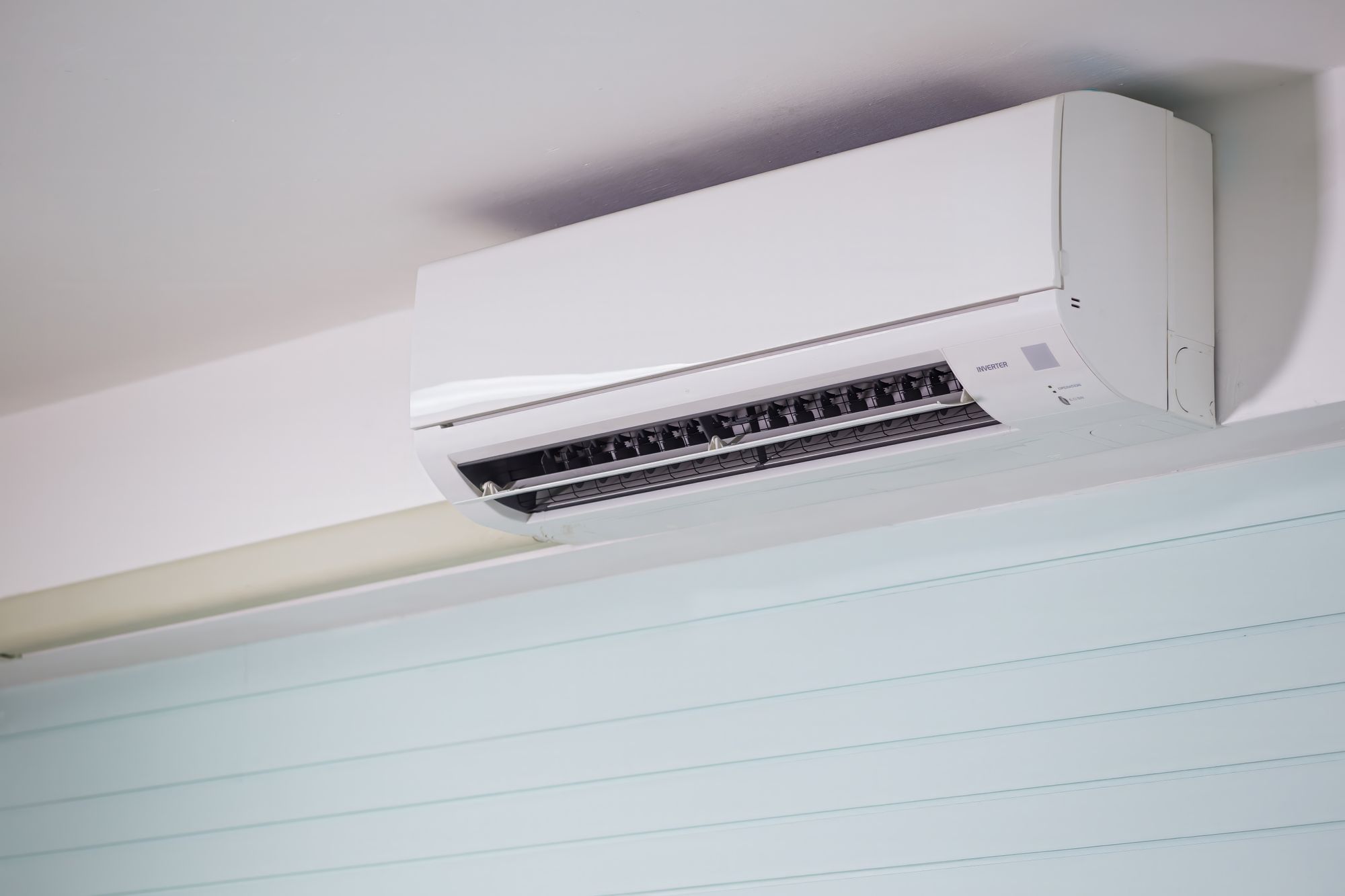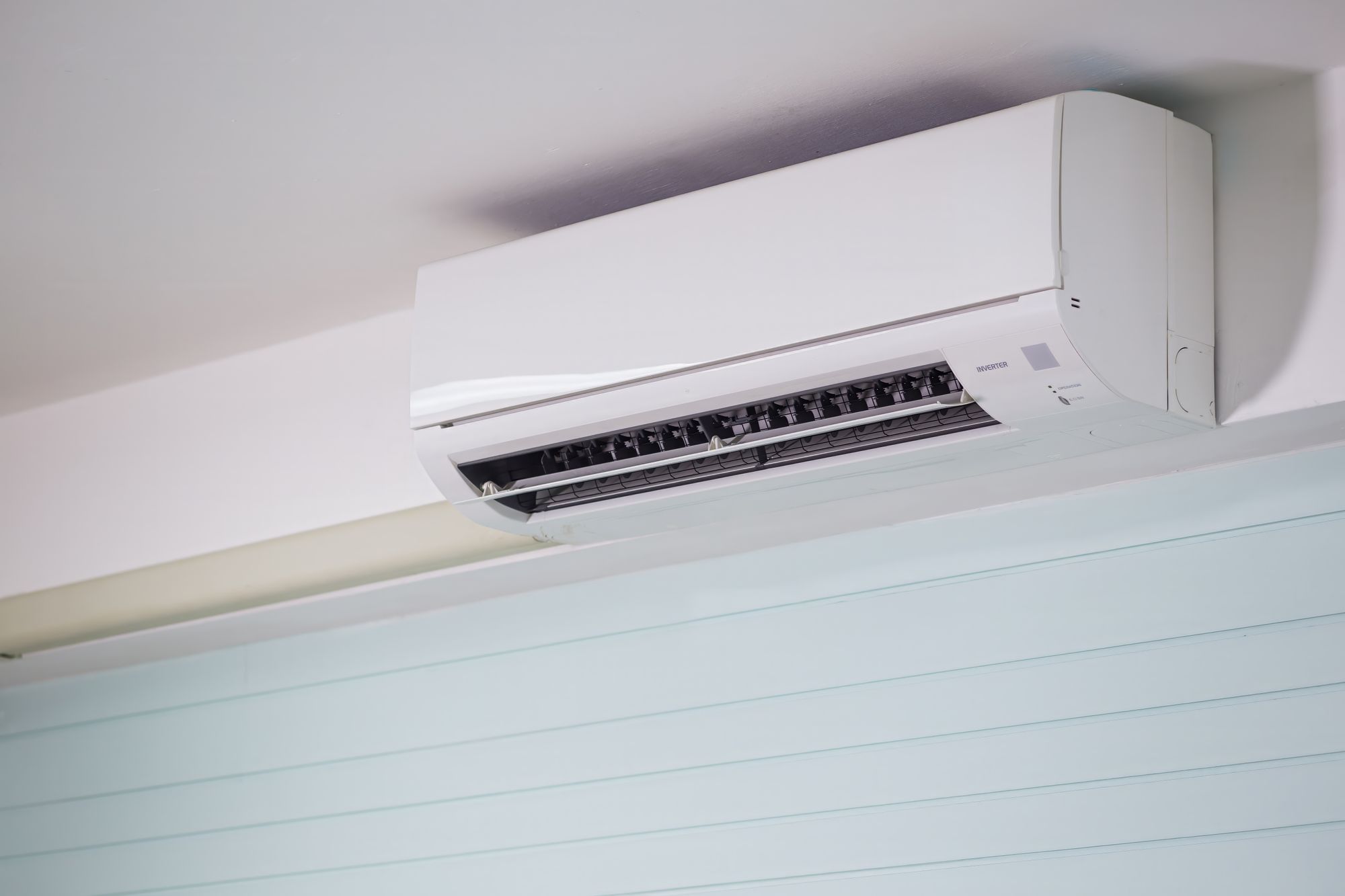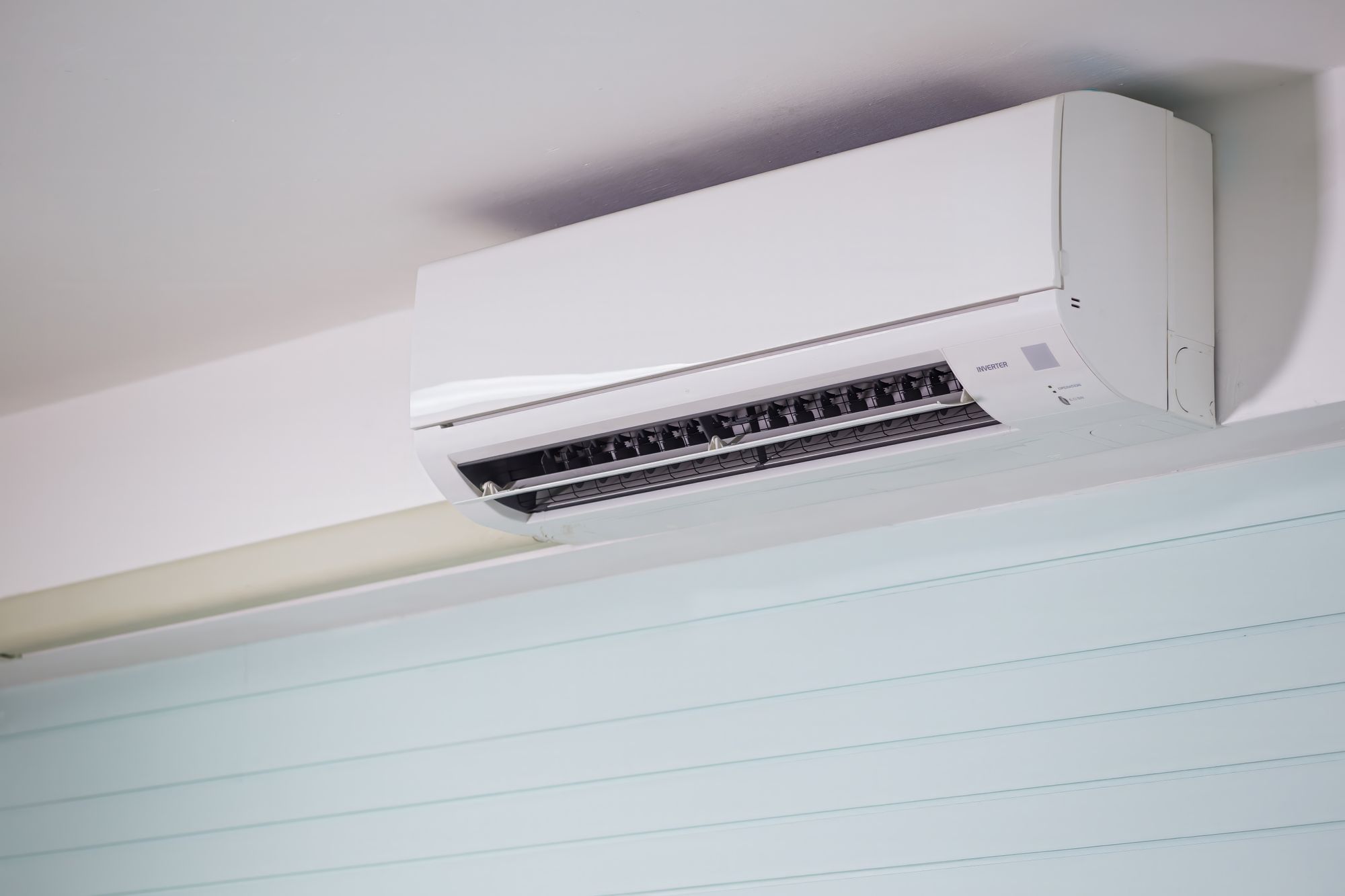
Best DIY Mini Split for Garage Heating in 2026
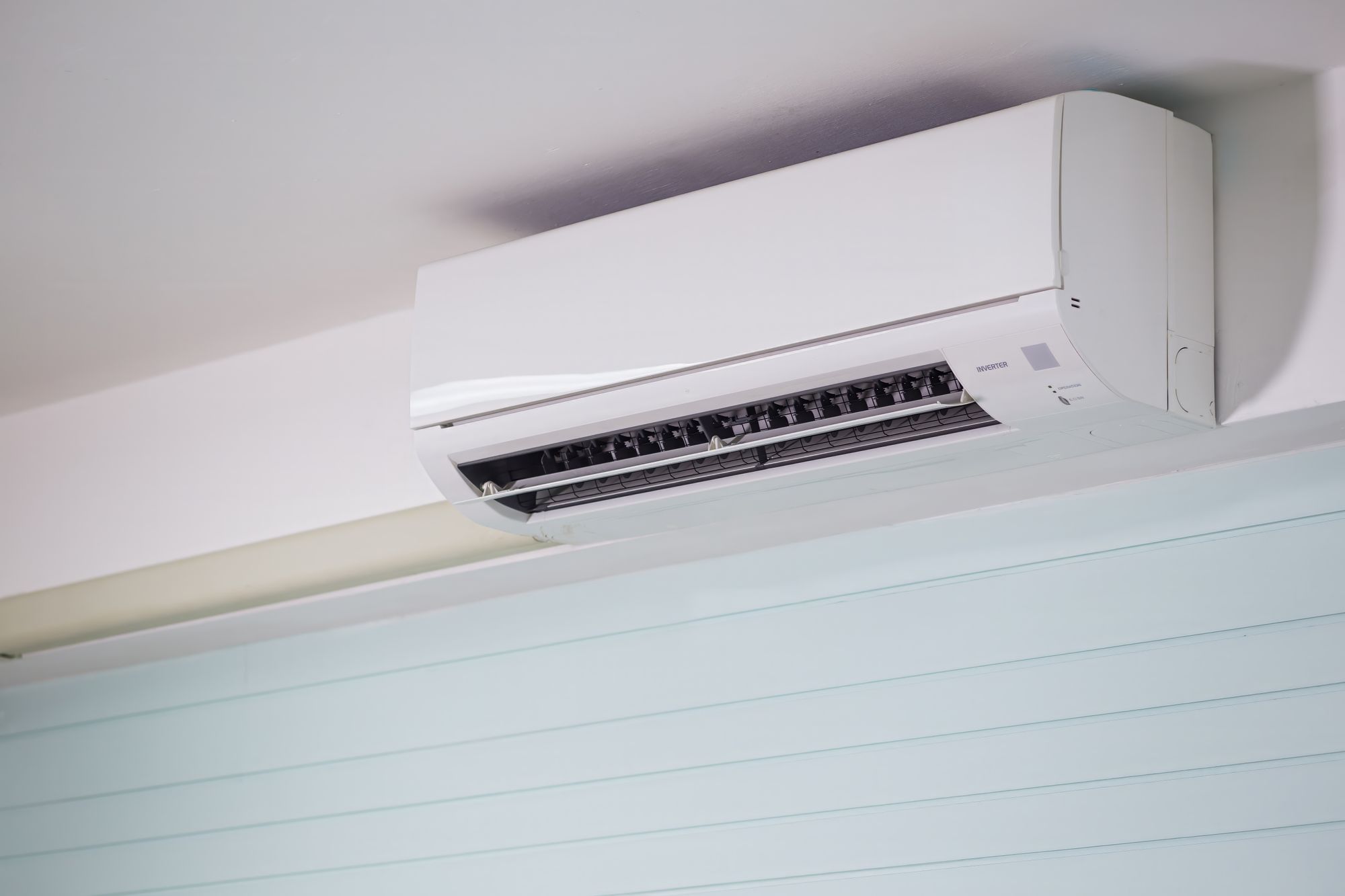
For most homeowners heating a one- or two-car garage, the best diy mini split for garage heating in 2026 is a Zone Air single-zone system in the 12,000–18,000 BTU range. It delivers strong cold climate heating down to about −13 °F, connects with pre charged quick-connect fittings (no vacuum pump, no refrigerant license), and is often 15–30% less than comparable MRCOOL systems, at higher efficiency.
I'm writing this for attached and detached residential garages that double as workshops, gyms, hobby spaces, and bonus rooms-not commercial service bays. If you're parking a couple of cars and running a table saw on weekends, this is your article.
How I Chose the Best DIY Mini Split Systems for Garage Heating
These rankings are based on 2026 products, real-world garage conditions and what a handy homeowner can realistically install in a weekend. I've compared efficiency ratings, cold weather performance, installation design, warranty terms and total project cost.
The list is limited to true DIY-friendly or DIY-possible mini split systems that can heat a garage from roughly 200 to 700 square footage-basically a one-car bay up through an oversized three-car shop.
Performance in Real Garages
Garages are not living rooms. They're leaky, poorly sealed and full of thermal traps that kill your heat output. Here's what makes garage heating different:
- Large single-pane doors with minimal weather stripping
- Thin or missing wall insulation and uninsulated ceilings
- Concrete slab floors that act as cold sinks
- Every time you open the big door, a wall of outdoor air rushes in
Because garages often need higher BTU capacity due to heat loss, the specs that matter most for winter heating are not the big BTU number. That rated capacity is usually measured at a comfortable 47 °F outdoor temperature. What you'll actually want to look at:
- Low-temperature operating limit: Can the unit run at −13 °F? At 5 °F? Low-ambient heating performance can be crucial for mini splits in cold climates.
- HSPF2 rating: Higher means less electricity per unit of heat delivered in heating mode.
- Published capacity at 17 °F and 5 °F: A typical two-car garage needs an 18,000 BTU unit at rated conditions, but that same unit might deliver only 13,300 BTU at 5 °F. That is the number you plan around.
Mini split systems usually have a SEER2 rating of at least 14.3, and that became the floor under the 2023 DOE efficiency rules. A higher SEER2 rating shows better energy performance, and the best diy mini split options in 2026 are pushing well past 22 SEER2. Mini splits with inverter technology use less power during operation because variable speed compressors ramp up and down instead of cycling on and off-critical in a garage where temperatures drop every time the door opens.
DIY Friendliness and Installation Design
There is a real difference between "true DIY" and "DIY-possible." True DIY systems ship with pre charged line sets and quick-connect fittings that snap together. Units with quick-connect fittings make the installation process a lot easier - no vacuum pump, no flare tools, no EPA Section 608 certification. Most DIY mini splits come with pre charged line sets that are ready to go. You can realistically finish a diy install in a weekend with basic tools and respect for local codes.
"DIY-possible" systems (Pioneer, Senville, and others) use traditional flare connections. You do the mounting, drilling, and wiring, but you still need a vacuum pump, manifold gauges, and either your own know-how or a local tech to handle the refrigerant side. Installation kits for DIY mini splits simplify the setup process, but that refrigerant step is a hard line.
One detail that gets overlooked is line set routing. Zone Air's approach is to cut each pre charged line set to the exact length your run needs - anywhere from 5 to 75 feet in a single continuous run. There are no couplers, and no excess tubing is coiled behind the outdoor unit. Fixed-length kits from other brands often need quick-connect extension line sets to reach longer runs, and every extra coupling is another connection point. In a garage where the outdoor condenser might be 40 feet from the indoor air handler, that matters.
Electrical requirements vary between 115V and 230V for mini split systems. Smaller diy mini split units (9K and 12K BTU) sometimes have 115V models that run on a dedicated 15–20 A branch circuit - never an extension cord. Zone Air's 115V 9K and 12K systems run on a dedicated 15A circuit, and its optional plug-in kit lets the system plug into a dedicated GFCI outlet where local electrical code allows. "The easiest systems to install on the market" is what Zone Air calls that setup. MRCOOL's 115V DIY units are hardwired. For 18K BTU and above, you are looking at 208/230V with a double-pole breaker. If your garage subpanel does not have room, call an electrician. That is one place where I always recommend that you spend the money on a pro.
Reliability, Warranty and Support
Garage mini splits get used harder than bedroom units. Dust and sawdust can clog the filters on a mini split fast, so plan on cleaning them every couple of weeks during heavy carpentry. Self-cleaning features on the indoor unit cut down on maintenance work a lot, but they do not replace manual filter checks in a dusty shop. Quiet operation is crucial for garages used as work areas, and mini split systems usually run at 30 to 50 dB depending on fan speed, with some units as quiet as 26 dB on low.
Warranty is where things get interesting for DIYers. Some brands honor their warranty on a DIY install, but others void it the moment a person who is not licensed touches the refrigerant lines. Here's the split:
- Zone Air: 5-year parts, 7-year compressor warranty. DIY install explicitly allowed without voiding coverage. 30-day returns on uninstalled units. Claims go direct to Zone Air-no dealer middleman.
- MRCOOL DIY: Also 5-year parts, 7-year compressor. MRCOOL says no special tools or training are necessary to install. But MRCOOL doesn't sell direct to consumers. You buy through a dealer or retailer, so returns and exchanges depend on the seller, which can complicate things.
- Pioneer, Senville, budget brands: A lot of warranties want proof of professional installation, so read the fine print before you assume your diy install is covered.
The condensate drain setup also matters in garages. A clogged or poorly routed drain in a workshop can dump water on your tools or floor. Make sure the indoor unit is positioned where gravity can do its job.
Value and Total Project Cost
"Best" is not just about the price tag. It's the total of what you pay up front, what you pay to run it over years of heating, and how much pro labor you need. Energy-efficient mini splits can cut your operating costs by a lot compared with standard space heaters, and that's a massive difference if you're running heat all winter.
Here's how the specs compare:
| System | 12K BTU SEER2 | 18K BTU SEER2 | Heating rated to | 115V install | How it's sold |
|---|---|---|---|---|---|
| Zone Air | 24 (230V) / 23 (115V) | 23 | −13 °F | Plug-in kit option | Direct to consumer |
| MRCOOL DIY 5th Gen | 23.5 (115V) | 22.5 | About −13 °F | Hardwired | Dealers and retailers |
Zone Air is often 15–30% less than comparable MRCOOL systems, at higher efficiency. DIY mini splits can save you a big chunk of labor costs versus hiring a contractor for a pro installed mini split. That gap gets bigger if you'd otherwise need a pro for a flare-connection brand.
Zone Air vs MRCOOL DIY 5th Gen
Both are true quick-connect systems with pre charged line sets and you do not need refrigerant tools. With its 230V systems, Zone Air gets a rating of 24 SEER2, while the MRCOOL DIY 5th Gen tops out at 23.6 SEER2 on its 9K 115V model. On cold weather heating they're about even: the standard DIY 5th Gen is rated to about −13 °F, which is the same floor as Zone Air, and higher-tier MRCOOL DIY models are rated lower. The bigger differences are in the install and the purchase. For each run, Zone Air cuts the line set to the length you need. MRCOOL has fixed 11.5, 16, 25, 35 and 50 ft line sets plus couplers for longer runs, and its manual has you keep the extra line coiled behind the condenser. Zone Air's concealed ducted units are built for one room, while MRCOOL's DIY ducted air handlers are 24K–36K central units for larger areas. And because MRCOOL sells through authorized dealers and retailers, returns and exchanges depend on the seller. With Zone Air, every system is sent direct to consumer, and all warranty claims, returns and exchanges are handled directly with Zone Air.
Best DIY Mini Splits for Garage Heating in 2026
Based on the criteria above, four main options stand out for garage heating in 2026. Some are fully DIY, some work best as "DIY plus an electrician or HVAC tech." I'm ranking these by garage-heating fit, not brand fame.
1. Zone Air DIY Single-Zone (Top Pick for Most Garages)
This is my go-to pick for heating a one- or two-car garage. Zone Air combines genuine cold climate heating performance, custom-length pre charged line sets that eliminate guesswork, and a price that's often 15–30% below comparable MRCOOL systems. For a homeowner who wants efficient heating without hiring a crew, it's hard to beat.
Why It Stands Out
Zone Air's efficiency numbers are among the highest in the diy mini split category: 24 SEER2 on 230V models and 23 SEER2 on 115V models. At 230V that edges out MRCOOL's flagship DIY at 23.6 SEER2 and beats most other true DIY kits on cooling efficiency.
The custom-cut pre charged line set is a genuine differentiator. Zone Air cuts each pre-charged quick-connect line set to the length the run needs, from 5 to 75 feet in a single run. In a real garage where the outdoor unit might sit on a concrete pad around the corner from the indoor air handler, that flexibility matters. No coiling excess tubing behind the condenser, no extra couplers.
Zone Air systems undergo final assembly, testing, and inspection in the USA, and units ship pre-inspected. That is reassuring when you are a DIYer who doesn't want to discover a QA issue halfway through install. Mini split systems can heat and cool spaces up to 750 sq ft, and Zone Air's lineup covers wall units, ceiling cassette options, and concealed ducted units. Wall-mount, ceiling cassette and single-room concealed ducted units can be mixed on the same multi-zone outdoor unit, handy if the garage shares a condenser with a bonus room or workshop next door.
The 115V models add the plug-in kit option, so a garage with a dedicated outlet can skip hardwiring where code allows. Zone Air units also include Wi-Fi app control that allows remote temperature adjustments-handy if you want to warm up the shop before you walk out there on a cold morning-and Follow Me remote sensing that adjusts temperature based on where the remote sits in the space.
Best For
- Garages that are about 250–650 sq ft and need serious heating in the winter, especially in climates where the outdoor temperature drops to about −10 to 0 °F.
- DIYers who want to avoid pulling a vacuum or handling refrigerant and would rather do a weekend project with basic tools.
- Homeowners who like dealing direct with the manufacturer for warranty and parts instead of going through a third-party dealer.
Key Strengths
- The install comes with pre-charged quick-connect lines that you can get in custom lengths. No vacuum pump or EPA certification required
- It has strong low-ambient heating down to about −13 °F, which is enough to use as primary heat in many attached garages
- Direct-to-consumer sales with 30-day returns on uninstalled units and a DIY-friendly warranty-5-year parts, 7-year compressor
- It is often 15–30% less than comparable MRCOOL systems
- Optional plug-in kit on the 115V 9K and 12K systems
- It has both heating and air conditioning in one system for year-round climate control
Possible Limitations
- The 230V models may still need an electrician if your panel is full or you are not comfortable adding a new circuit.
- With the 115V models, you get 23 SEER2, while the 230V models are rated at 24 SEER2.
- You won't find it on a big-box shelf. Zone Air sells direct, which makes it the best option if you want a system you don't have to buy from a retail store. Reviewers often mention that the support team was helpful when they had questions during the install or about the warranty.
2. Pioneer Diamante / DIY-Friendly Lines (Best for Tight Budgets Willing to Hire a Tech)
Pioneer mini splits are budget-friendly for light garage use. The Diamante and similar lines offer solid cold weather performance at a lower sticker price, but they're not "tool-free" DIY. You'll handle the carpentry and wiring, and a tech handles the refrigerant.
Why It Stands Out
Pioneer's 12,000–18,000 BTU models can be very cost-effective garage heaters when you pair them with a local HVAC tech to do the evacuation and verify the charge. The Pioneer Diamante Pro delivers 12,000 BTU of cooling capacity and operates at low noise levels below 25 dB, making it one of the quieter options for a workspace garage. For moderate winter climates, the published specs for how it does in low-ambient heating are solid.
Best For
- DIYers who are comfortable doing mounting, drilling and running electrical connections, but want a pro to handle flare joints and the vacuum pump step.
- Garages in climates where winters stay above about −4 °F and extreme cold weather is something that doesn't happen often.
Key Strengths
- A lower price tag than most quick-connect DIY systems, especially if you are looking at the 12,000 BTU range
- Good performance for the money and a large lineup of models so you can mix wall mount styles and sizes for various garages
- A well-known brand with plenty of third-party reviews and stories about installs
- Ultra quiet operation is there when you run it on low fan speeds
Possible Limitations
- It needs a vacuum pump and proper flare tools. Many warranties demand proof of licensed installation.
- Not ideal if you want a fully DIY refrigerant-free project-this is professional installation territory for the refrigerant side.
3. Senville LETO and Similar Budget Kits (Best for Mild-Climate Garages on a Shoestring)
Senville and similar budget mini splits can heat a garage without costing too much in places where the temperature in winter stays above about 5 °F. They are the space heater replacement tier, so they are way more efficient, but don't expect them to power through a severe cold snap.
Why It Stands Out
For shoulder-season and mild cold weather heating, the pricing is attractive and heat pump operation is reasonably efficient. Many budget models like the Upstreman mini split have quiet operation at 30 dB and work efficiently from 5 °F to 125 °F, so they cover both heating and cooling needs. Gree's Sapphire line falls in a similar price bracket and meets ENERGY STAR cold climate standards, so it's worth a look in this category.
Best For
- Garages in warmer regions (Southeast, coastal areas like Wilmington, NC) where deep freezes are something that does not happen often.
- Owners who are mainly looking for comfort while they occasionally work in the garage, not 24/7 winter heating.
- Choosing a ductless mini split for a garage depends on the local climate, and these kits do their best work in climates that stay mild.
Key Strengths
- The purchase price is very low compared with the price of premium or true DIY systems
- These come with full install kits and line sets. A lot of models have WiFi and smart features built in
- Good fit for detached garages that don't need heating that stays rock-solid efficient when the cold gets extreme
- Some models have features for air quality and functions that clean themselves
Possible Limitations
- Often require professional installation to keep warranty intact, due to flare connections and vacuum requirements.
- Heating capacity and heat output fall off fast in real cold, so supplemental baseboard heat or space heaters may still be necessary.
- Cooling capacity is usually fine, but heating in cold weather is where these units struggle.
4. Pro-Install Brands (Mitsubishi, Daikin, Fujitsu) for Garage Heating (Best When You'll Pay a Pro Anyway)
These are not DIY, but they deserve a mention because some readers will wisely decide their garage needs a pro-grade, professionally installed system. If you're converting a garage into conditioned living space, this is the tier to look at.
Why They Stand Out
Mitsubishi Electric offers reliable performance down to −13 °F, and Mitsubishi mini splits maintain heating down to −13 °F and can operate below 20 dB at low fan speed-so quiet you'll forget it is running. Daikin provides strong reliability and service support for garages. These are ductless heat pump systems built for the long haul, with hyper-heat options that maintain strong heat output well below 0 °F. Low-temperature models from these brands can keep performing in extreme winter conditions where DIY units hit their limits.
They are ideal if the garage is being converted into conditioned living space, bonus rooms or a home office where comfort and longevity beat DIY savings.
Best For
- Garages in very cold climates where −13 °F isn't enough and you want −15 to −22 °F heating floors and published low-temp capacity data.
- Homeowners who prefer to pull permits, let an HVAC crew handle everything, and do not mind paying a higher total cost for the project.
Key Strengths
- Excellent performance in cold climates and a long service life when the unit is installed correctly
- You get a broad range of indoor unit styles from them (wall, ceiling cassette, floor console, concealed ducted units) which helps when the garage layout is tricky. On a multi zone outdoor unit you can even mix wall mount and cassette heads.
- They've got strong service networks and you can get parts in most metro areas.
- With variable speed compressors, they run ultra quiet and give you precise climate control.
Possible Limitations
- Almost never DIY-legal from a warranty standpoint; refrigerant and electrical work must be professional.
- The total installed cost for a pro installed mini split can easily run 2–3× what a DIY system with similar BTU output would cost.
- Multiple indoor units on multi zone systems add cost fast, and multi zone condensers need to be sized carefully.
Quick Comparison: Best DIY Mini Split Options for Garage Heating
Here's a fast way to match brands to typical garage scenarios.
- Zone Air DIY Single-Zone - Best overall for most 1–2 car garages that need reliable heating down to around −13 °F and a clean, simple diy install. It's got custom pre charged line sets, a direct-to-consumer warranty and competitive pricing, which makes it the best diy mini split for most people.
- Pioneer Diamante / Similar – Best for budget-minded DIYers willing to hire a tech for the vacuum and startup steps. Pioneer mini splits deliver good value at lower sticker prices.
- Senville & Budget Kits – Best for mild-climate garages where cost matters more than deep-cold performance. Fine for coastal and southern regions.
- Mitsubishi / Daikin / Fujitsu – Best when you're turning the garage into living space and are ready for a professional-grade, pro-installed system with one outdoor unit powering one indoor air handler or multiple indoor units.
How to Choose the Right DIY Mini Split for Your Garage Heating
This section turns the ranked list into a decision guide based on your specific garage and climate. The goal is to match the right system to your situation so you're not overspending or underheating.
Choose Based on Garage Size and Insulation
Mini-split heat pumps require consideration of BTU sizing and garage insulation-it's the foundation of the whole decision. Mini splits should be sized based on square footage and insulation quality and ceiling height. Here's how I break it down:
- Single-car garage (200–300 sq ft): Usually needs 9,000–12,000 BTU if the walls and ceiling are insulated. If the insulation is poor, jump to 12,000–15,000 BTU.
- Two-car garage (400–600 sq ft): A 400 sq ft garage needs 8,000–10,000 BTUs in a well-insulated scenario, but garages can require greater heating capacity if uninsulated or poorly insulated. Garages often require 30% to 50% larger units due to insulation deficiencies-so that 400 sq ft bay might actually need 12,000–15,000 BTU.
- Large or three-car (600–750 sq ft): You're looking at 18,000–24,000 BTUs, and you might need a multi zone system that has one outdoor unit with multiple indoor units.
For sizing a single zone mini split in a standard room, the general rule of thumb is to use 20-25 BTUs for each square foot. But leaky garages are closer to 30–40 BTU for each sq ft when you figure the heating load. Insulation improves heating efficiency and helps reduce energy costs-if you can add insulation before installing the mini split, you might drop down a size and save on both the unit and operating costs year after year.
Choose Based on Climate and Winter Temperatures
Check what your local winter design temperatures are (you can do a quick search for your city's ASHRAE design temp) and match that to the minimum outdoor temperature rating for each unit.
If nights regularly hit 0 °F or below, you should favor brands that publish capacity at 5 °F and offer low-ambient cold climate mini split or hyper heat models. Operating down to −13 °F, Zone Air's systems have the same floor as MRCOOL's standard DIY 5th Gen. Higher-tier MRCOOL DIY models are rated lower. For many garages, there is plenty of margin in that −13 °F floor.
In a mild coastal climate, −13 °F is overkill - but it gives you a comfort margin when those occasional cold snaps hit. A shop in upstate New York that sees −5 to −10 °F regularly is a different case, and a hyper heat unit may make more sense there. Different garages, different needs.
For multi zone systems in very cold climates, pay close attention to how much capacity the multi zone outdoor unit has at low temps - a multi zone condensers' rated output can drop a lot. For every system, Zone Air publishes a one-page spec sheet. Pull the low-temperature data for any system you are considering and compare apples to apples.
Choose Based on How "DIY" You Really Want to Go
Be honest with yourself. Here are three paths:
- Full DIY quick-connect: Zone Air, MRCOOL DIY. Pre charged line set snaps together, no refrigerant tools. DIY mini split installations can be completed in a weekend. DIY installations require basic tools and respect for local codes. This is the path that saves the most money and gives you full control. Zone Air offers an optional plug-in kit for its 115V models where local code allows.
- Hybrid DIY with a tech: Pioneer, Senville and similar. You handle the mounting, the drilling, running the line set and the electrical connections. A certified HVAC tech does the flare connections, pulls a vacuum and checks the charge. It's budget-friendly but adds a tech's labor to the total cost.
- Full pro-install: Mitsubishi, Daikin, Fujitsu. The crew handles everything. You write the check. Best results but highest cost.
Even with true DIY heat pumps, hiring an electrician for the dedicated circuit is often the safest move, especially in older garages where the panel may not have room for a new breaker. Even if you are comfortable running wire, it is money well spent to have an electrician check the panel work.
Which Mini Split Is Best for Your Garage?
There's no single "winner" for every garage. But the patterns are clear once you match your situation to the right system. Here's how I'd sum it up:
- Choose Zone Air DIY Single-Zone if you want the easiest long-term diy install, custom-length pre charged lines with no excess tubing, and strong heating down to about −13 °F at a lower price than comparable MRCOOL systems. Zone Air's direct-to-consumer model means warranty claims, returns and support go straight to Zone Air. For most garages in most climates, this is the best diy mini split option in 2026.
- Choose Pioneer or Senville-type systems if your winters are mild and you're comfortable doing the "carpentry" while paying a local tech for refrigerant work. Even at the budget tier, the baseboard heater you're replacing in your garage will look dumb next to what a mini split heat pump delivers.
- Choose a pro-install brand like Mitsubishi or Daikin if the garage is becoming full-time living space and you want performance that is ultra-quiet and high-end, with installation that is done under permit. These aren't diy mini split systems, but they're the gold standard when comfort and longevity matter most. For a converted space, the energy efficiency and air quality improvements alone are what make the investment worth it.
Final Thoughts
A mini split is one of the best ways to turn a cold garage into real usable space year-round. Compared with baseboard heat and portable space heaters, the difference in comfort-and in the electric bill-is usually immediate. Whether you're looking for cold weather heating in a workshop or just want air conditioning while you're out there in July, a ductless heat pump handles both heating and cooling from a single system.
For most typical homeowners wanting true DIY, a pre charged quick-connect system like Zone Air's is the sweet spot. Zone Air often wins on energy efficiency, total cost, and the simplicity of dealing direct with one company for everything. Either way, a quick-connect system gets you a legit mini split heat pump with variable speed compressors, not a glorified baseboard heater.
Before you order: measure your garage, check your panel capacity, calculate your heating load based on square footage and insulation, and look up your local winter design temperatures. Then pick the system that fits. And when the electrical or structural work is beyond your comfort zone-call a pro. That's not admitting defeat. That's being smart about where your time and money go.