How to Cool a Garage Without Central Air: Step‑By‑Step DIY Guide
If you might be wondering how to cool a garage without central air, you're not alone. I spend a lot of time in my garage here in Wilmington, NC, working on house projects and storing tools, and I can tell you it gets rough when that wall thermometer hits 108°F in August. You've probably walked into your garage in summer and felt like you opened an oven, which might tell you everything you need to know: central air does not reach that space, and it probably should not.
The good news is you probably do not need it. There are real, practical ways to cool a garage without central air conditioning, from quick fixes you can do this afternoon to equipment that makes the space really comfortable all year. Here's how I'd approach it, step by step.
Key Takeaways
- Start by keeping heat out: put shade over the garage door, add insulation to the attic, and seal gaps so warm air does not pour in all day.
- Use air movement and exhaust: put a box fan in a window or side door so it pulls hot air out. You can drop the temperature several degrees in under an hour.
- Add the right spot cooler for your setup: portable AC, window unit or mini split can all work well without connecting to central air.
- You should control humidity as much as temperature, especially in climates that are hot and sticky like my Wilmington, NC garage.
- Plan for electrical load and safety; running multiple fans and a portable AC off one old circuit is how you pop breakers-or worse.
Cool a Hot Garage Fast
Set up cross-ventilation. Cross-ventilation just means opening doors and windows so natural air flow can move through the space. You can grab a 20-inch box fan, put it in a window or side door, and point it so it blows hot air out. Then crack the main garage door about a foot on the side that is opposite. Cooler outdoor air is pulled in low while the fan pushes the hottest air out high. It's simple, it is free and when you do everything you can to get the most airflow, you can really cool a garage without central air conditioning.
Time it right. Run the exhaust fan in the late evening. After 7 or 8 pm in July and August, the temperature outside starts to drop below what is trapped inside. This "night flush" gets rid of built-up heat and can drop your garage temperature several degrees before you even go to bed.
Use fans for personal cooling. A fan that moves back and forth, or a pedestal fan pointed at your work table won't lower the thermometer, but it will lower what it feels like. High-velocity fans create a wind-chill effect that drops the temperature you feel, so 88°F feels more like the low 80s on your skin. If your garage is dusty, look for sealed-motor models that won't clog up on wood dust.
Skip the swamp cooler (if you're humid). Evaporative swamp coolers work in dry climates because they use water evaporation. They can drop air temps 20–25°F when relative humidity is below 30%. But in humid spots like coastal North Carolina, where summer humidity often sits at 70–80%, they mostly just add warm, damp air. If you're in Arizona or west Texas, go for it. If you're east of the Mississippi, save your money.
Keep Heat Out of Your Garage
Start With the Attic
Insulating the garage attic helps you keep the temperature under control more than almost any other single improvement you can make. A bare roof deck is like a radiant heater by mid-afternoon. That heat flows through your ceiling into the work area below. Batt insulation, blown-in insulation or spray foam are all effective for garage attics.
For a simple DIY job, unfaced R-30 fiberglass batts that are laid across the joists work well. If you've got odd joist spacing or a lot of obstructions, you can rent a blown-in cellulose machine from a big box store over a weekend, and that is a solid option. Either way, better attic insulation slows warm air from the roof that is radiating downward, which helps any fan, portable AC or mini split keep up on 90°F days. Case studies from This Old House show that a radiant barrier plus attic insulation can reduce ceiling surface temperatures by 15–20°F.
Seal the Gaps
Sealing gaps with weatherstripping can stop hot outside air from getting into the garage.
- Side entry door: Put adhesive-backed weatherstripping around the frame.
- Outlet covers on shared walls: Slip foam seals behind the plates. This is cheap and fast.
- Visible daylight cracks: Hit them with silicone or polyurethane caulk.
Insulate the Garage Door
The garage door is usually the biggest weak spot. It's often bare metal with zero insulation. It can really let heat in. Garage door insulation blocks radiant heat transfer, especially if the door faces south or west. Pre-cut foam panel kits are inexpensive and stick on with adhesive. Add weatherstripping at the door frame sides and threshold, and adjust the bottom seal so it actually touches the slab. A lighter color or reflective panel facing the sun makes a real difference.
Walls
Insulating the ceiling and walls can stop outdoor heat from moving inside. Garage walls are usually framed with 2x4s, 16 inches apart, so they are ready to accept standard insulation. R13 fiberglass batt insulation is 15 inches wide and fits tight between those studs.
When the walls are already finished with drywall, you are looking at removing panels or blowing insulation through drilled holes, which is more involved. If you are thinking about turning the garage into a four-season shop or home gym, I've written a separate guide on the best way to heat and cool a garage year-round that covers the full conversion.
Vent and Exhaust Hot Garage Air
The "poor man's" exhaust. Mount a box fan or window fan in a window or cut-in vent, set to blow warm air outside. Crack the garage door on the opposite side for replacement air. Exhaust fans actively push hot air out of the garage while drawing in cooler air. It's not fancy but it works. Position the exhaust fan as high as possible, since the warmest air collects near the ceiling.
Attic or gable fans. If there's attic space above the garage, a thermostatically controlled attic fan in a gable vent can dump built-up heat before it radiates through the ceiling. This alone can keep the ceiling several degrees cooler on sunny afternoons.
Safety with attached garages. If your garage is attached to the house, keep the inside door to the house closed and well sealed so hot, dusty garage air does not get sucked into the home's central system. This also matters for fire separation, and if you ever run a vehicle engine or fuel-burning heater in the garage, proper exhaust ventilation is critical to move carbon monoxide out instead of back into your living space.
Cooling Equipment That Does not Use Central Air
Once you've cut down on heat gain and given hot air a way out, it is time to choose a cooler that runs on its own without the home's furnace or central HVAC. Here is how the main options stack up.
Portable Air Conditioners
These roll around on wheels and exhaust warm air through a hose out a window or wall panel. Dual-hose models are more efficient: one hose pulls outside air to cool the condenser. The other fumes hot air. Single-hose units create negative pressure by pulling conditioned indoor air through the condenser and blowing it outside, which pulls more hot outdoor air in through every gap. If you're going portable, it is worth spending the extra for dual-hose.
Window AC Units
If your garage has an existing window or you can frame a wall opening, a window unit is usually cheaper and more effective than a similar portable unit. They are well-sealed when installed properly and do not need a hose that is laying across the floor. The trade-off is a more permanent installation and a bit of lost wall space.
Ductless Mini Split Systems
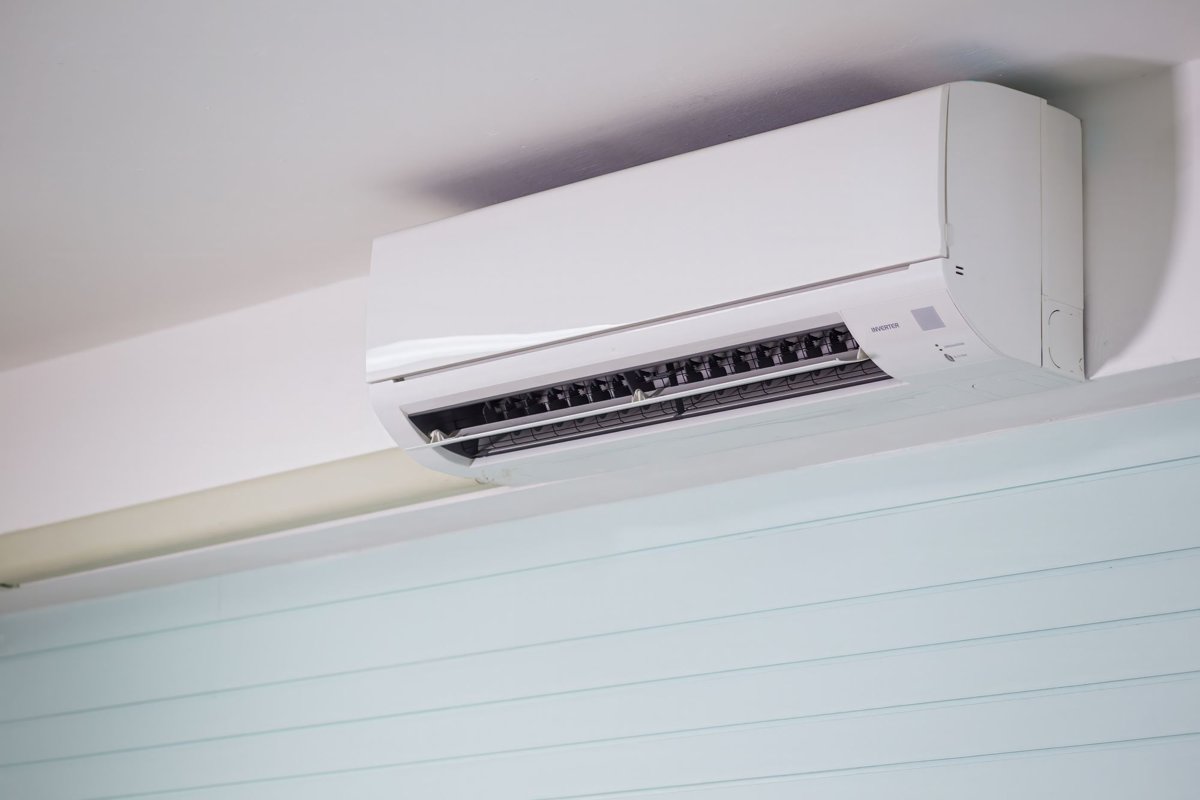
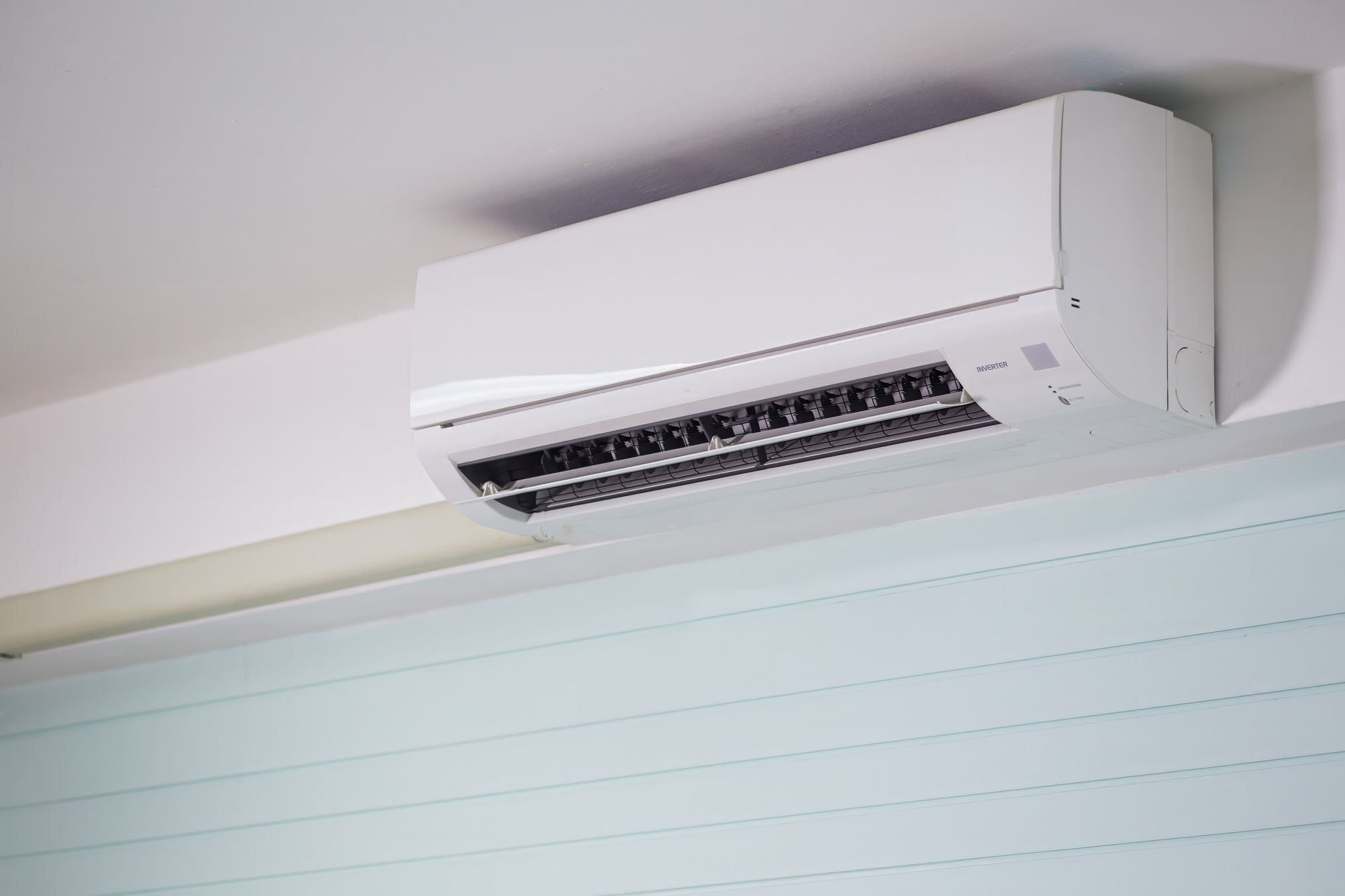
For a garage shop or home gym, a mini split is the best choice. An outdoor condenser is connected to an indoor wall-hung head with refrigerant lines, and it's very efficient, very quiet and fully independent of central air. Most homeowners will want a licensed HVAC pro for installation, especially to handle refrigerant, electrical connections and any local permitting.
Sizing Guide
Getting the right type and size does matter. According to Bryant's guidelines, here is a rough starting point:
| Garage Size | Square Footage | BTU Range |
|---|---|---|
| 1-car | 200–300 sq ft | 9,000–12,000 BTU |
| 2-car | 400–600 sq ft | 12,000–18,000 BTU |
| 3-car | 600+ sq ft | 18,000–24,000 BTU |
Bump the BTU number up if you have high ceilings, a metal roof, poor insulation, or heavy sun exposure. A good rule of thumb: multiply square footage by 20–25 BTU (20 for a well-insulated space, 25 for an uninsulated one).
Power and Safety
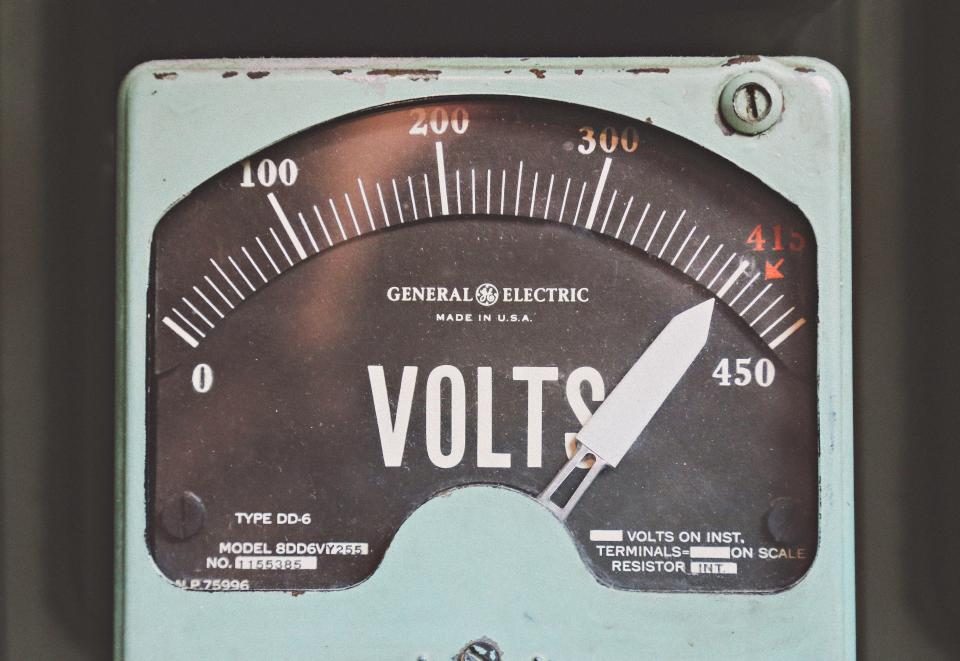
A typical garage circuit is 15-amp, 120-volt and it has limited headroom. A portable AC can draw 8–12 amps by itself. Add an air compressor and a shop light, and you're tripping breakers-or worse, overheating wiring. Do not run a big portable AC, compressor and table saw on the same old circuit at the same time. If the garage needs more capacity, that is an electrician's job and likely requires a permit.
When to Call a Pro
Dehumidification
Using dehumidifiers can make a hot garage feel more comfortable in humid climates. A standalone dehumidifier in a closed garage, with the drain hose run to a floor drain or condensate pump, can pull the relative humidity down from 80% to 50–60%. At that level, 80–82°F actually feels okay because your sweat dries off properly. Without it, the same temperature at 70–80% relative humidity feels heavy and hard to breathe in.
Electrical Safety
- The NC State Electrical Code requires garage receptacles in each vehicle bay on a 20-amp branch circuit, with GFCI protection. If your garage still runs on a single ancient 15-amp circuit, adding coolers, power tools and lighting is asking for trouble.
- Never connect the garage to the house's existing ductwork. The energy, code and air-quality downsides are fumes, dust and fire risk getting pulled into your living space, and they make it a bad idea every time. Use a separate system.
When to Call a Pro
Some of this work is firmly in DIY area. Some is not. Here's where I'd draw the line:
- Mini split installation - handling refrigerant, electrical disconnects and permits.
- Garage-to-living-space conversions - local codes for insulation, ventilation, fire separation and electrical loads get complicated fast.
Anyone converting a garage into living space should check local permitting rules. In my county - New Hanover - starting work without a permit costs a $100 fine, and skipping the final inspection is another $100. Two failed inspections and it is $50 per attempt after that. North Carolina's owner-builder law (G.S. 87-1(b)(2)) lets you do your own work on your own home, but if you don't live in the finished space for at least 12 months, the law presumes you didn't qualify for the exemption. It is worth a phone call to the building department before you start cutting into anything.
FAQ
Is it safe to connect my garage to the house's central air ducts?
Most HVAC pros advise against it, and so do I. Sharing ducts between living space and a garage brings in fumes, carbon monoxide risk and fire-code concerns. Drawing garage air into return ducts can spread odors, fine dust and potentially dangerous exhaust into bedrooms and living areas. Even though it means spending a bit more up front, a separate system, portable AC, window unit or mini split is the right answer here.
How Cool Can a Garage Get Without Central Air?
With good shade, insulation and exhaust, a garage usually sits about 5–10°F above outdoor temperature instead of baking 15–20°F hotter. Add a dedicated cooler, portable AC, window unit or mini split, on top of that and you can usually bring a two-car garage down into the mid-70s on a 90°F day, depending on insulation and sun exposure. Results vary by climate, garage size and how airtight the space is, so treat any number as a rough guess.
Do You Need a Permit for a Garage Mini Split?
In many areas, yes. New HVAC equipment and new electrical circuits or subpanels typically require permits, especially if they change the load on your main service panel. Call your local building department before you start - it takes five minutes and can save you real money in fines and headaches at the end. Even if you are legally doing your own work as an owner-builder, skipping required inspections can lead to penalties or problems when it comes time to sell the house.