How to Cool a Sunroom: A DIY Homeowner's Guide
Key Takeaways
- It's a good idea to start with shade and insulated windows to cut solar heat gain before you worry about air conditioning or other heating and cooling gear.
- Use airflow with ceiling fans, floor fans and open windows to stay cool on mild days, so you can save powered cooling for the hottest periods.
- If your sunroom isn't insulated, you might want to focus on window film, insulated curtains and rugs as low-cost ways to make the space more usable in summer.
- If you want a true year-round sunroom, you need to plan for proper HVAC. You can either extend existing ductwork if your system can handle it, or add a dedicated mini split system.
- In hot, humid climates like Wilmington, matching cooling with humidity control can be key. A dehumidifier plus fans can make a huge difference in how cool the sunroom feels.
Why Sunrooms Get So Hot (And How to Make Yours a Room You Actually Use)
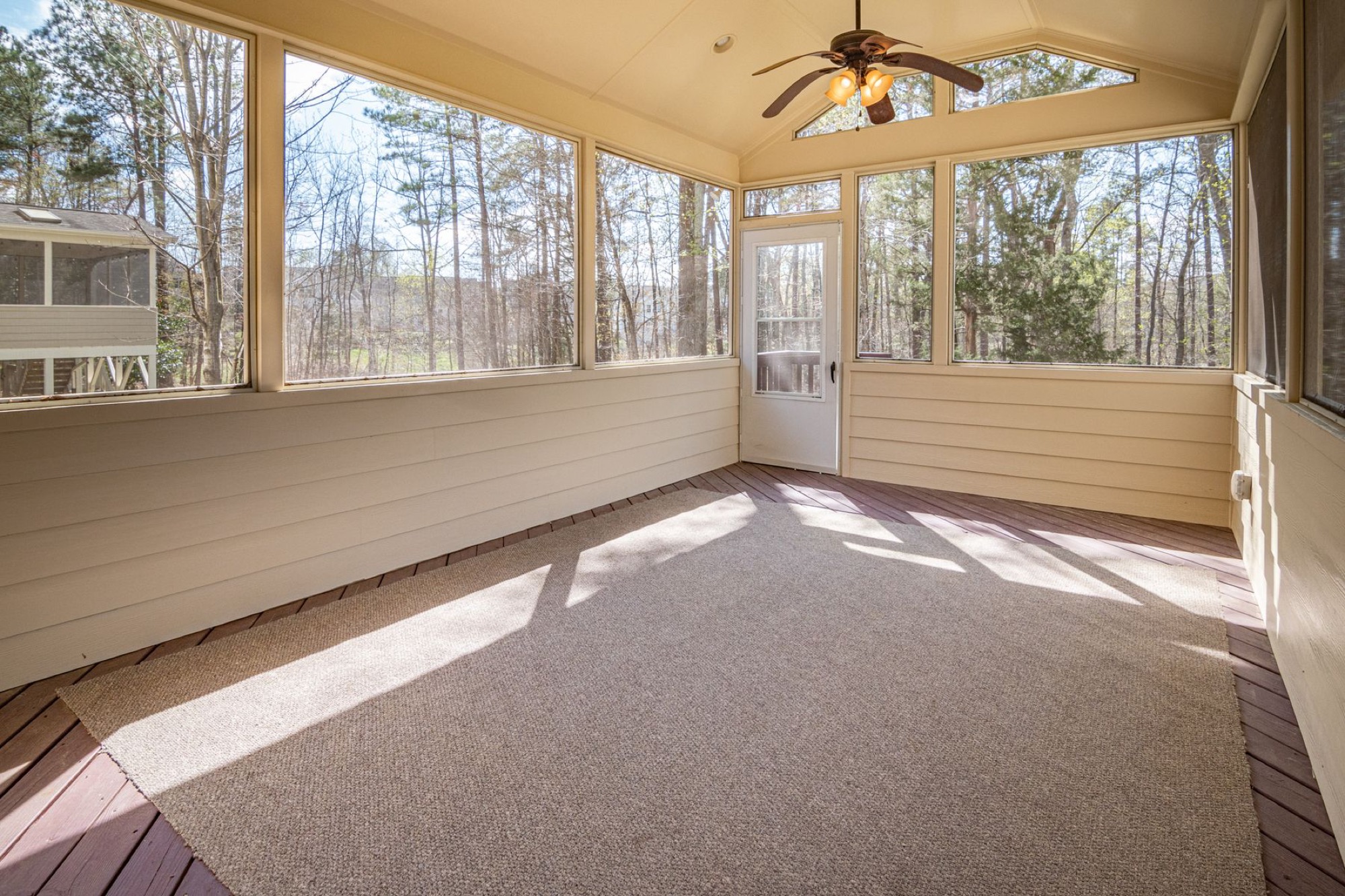
Learning how to cool a sunroom starts with understanding why it gets so hot in the first place. I'm Ken, a DIY homeowner in Wilmington, North Carolina and my sunroom is the first room I leave every summer because it's basically a glass box that traps heat until the temperature inside goes well past what it reads outside. In July and August here, temperatures are in the upper 80s to low 90s, and dew points in the mid-70s make the summer heat feel closer to 100°F. The main challenge may be solar heat gain through large windows, a thin roof and walls with little insulation or air conditioning. Below is the step-by-step plan I follow. I start with cheap DIY fixes, then I move on to bigger projects like windows that are energy efficient, and finally I add full cooling systems for year-round comfort.
Step 1: Block Sun and Heat First
The fastest way to make a sunroom cool is to stop so much heat from getting in. Shade first, air conditioning second.
Blocking solar heat gain with exterior shade is the single most effective move you can make. Sunrooms can trap heat due to large glass panels, and an exterior patio cover, awning or budget sail shade tied to the house and yard grabs sunlight before it even touches the glass. Planting shade trees outside the sunroom reduces direct sunlight exposure on south- and west-facing walls, where afternoon sun hits the worst.
For the windows themselves, low-E window films block infrared heat and UV rays. A film like ComforTech 15 has a Solar Heat Gain Coefficient (SHGC) around 0.25, meaning it turns away about 75% of solar energy. That's a strong answer for bright light and heat, though it drops visible light to about 15%, which trades some natural light for air that is cooler. Roller shades, solar shades and blinds can block light and heat in sunrooms without you having to make changes that are permanent. Using light-colored cell shades can help you manage solar heat gain while keeping the room brighter. Insulated blinds can help keep sunrooms cool when not in use, and blinds reduce heat from the sun's rays during peak hours. Energy-efficient window treatments reduce solar heat gain across the board, and many homeowners find these are enough to make sunny days okay in a three-season space.
Step 2: Insulate Windows, Doors and Surfaces
Most sunrooms are built cheap: single-pane glass, aluminum frames and thin walls that leak warmth in winter and trap it in summer. Older sunrooms often have outdated, non-insulated windows and sunrooms can reach temperatures well above outdoor readings because of it.
Insulated windows with double- or triple-pane glass, low-E coatings and argon gas fill keep heat out during the summer months and retain warmth during the cold season. High-quality insulated windows can help regulate sunroom temperature by cutting both heat transfer through the glass and solar radiation. Under North Carolina's energy code (Chapter 11), conditioned sunrooms in Wilmington's climate zone need glazing with an SHGC of 0.40 or lower and a U-factor at or below 0.45. Upgrading to insulated windows improves energy efficiency and can turn a room you can't use into one that holds cool air all afternoon.
If full replacement isn't in the budget, interior storm panels are a solid DIY move. They add a second layer that traps air against the existing glass. For doors, you can replace a thin aluminum slider with an insulated patio door and add quality weatherstripping to cut hot air infiltration. Proper insulation and sealing against the weather can reduce heat transfer into sunrooms. Simple interior steps help too: area rugs over tile or concrete floors, insulated wall panels where the structure lets you, and sealing gaps around frames with caulk and foam.
Step 3: Use Airflow and Fans to Stay Cool on Mild to Hot Days
On many days, you can keep the room cool enough just by moving air, especially in the mornings and evenings. Why do sunrooms feel so uncomfortable? Limited ventilation can cause sunrooms to feel stuffy, and stale air makes a sunroom feel worse than the temperature alone would suggest.
Ventilation strategies like cross-ventilation help reduce heat: open windows across from each other to create a cross-breeze, and crack higher windows to vent warm air out. Open windows create a vent for warm air to escape, and cooler air is heavier than warm air, so it flows in low while hot air rises and goes out high. Using fans helps move air on still days when there's no breeze to speak of.
A ceiling fan sized to the room and set to summer mode, spinning the other way, pushes air down and creates a cooling wind-chill effect that can make 80°F feel closer to 75°F. You can pair it with a floor fan or box fan near the floor on the shaded side of the house, pulling cool air toward the sunroom. Oscillating fans can improve air circulation across a wider area. Exhaust fans improve air circulation by removing hot air from sunrooms and pushing it outdoors. In a rectangular room, place intake fans along the short wall and exhaust on the opposite side. Fans don't lower the temperature. They can help you stay cool at the same thermostat setting by increasing evaporation off your skin.
Step 4: Pick Your Air Conditioning
This is the big decision. Many sunrooms lack connection to existing HVAC systems, and putting a duct tap into your central unit without checking capacity is a common mistake. Many systems in older homes are sized for the original house footprint, so adding a glass-heavy room can overload the system and make the rest of the house less comfortable.
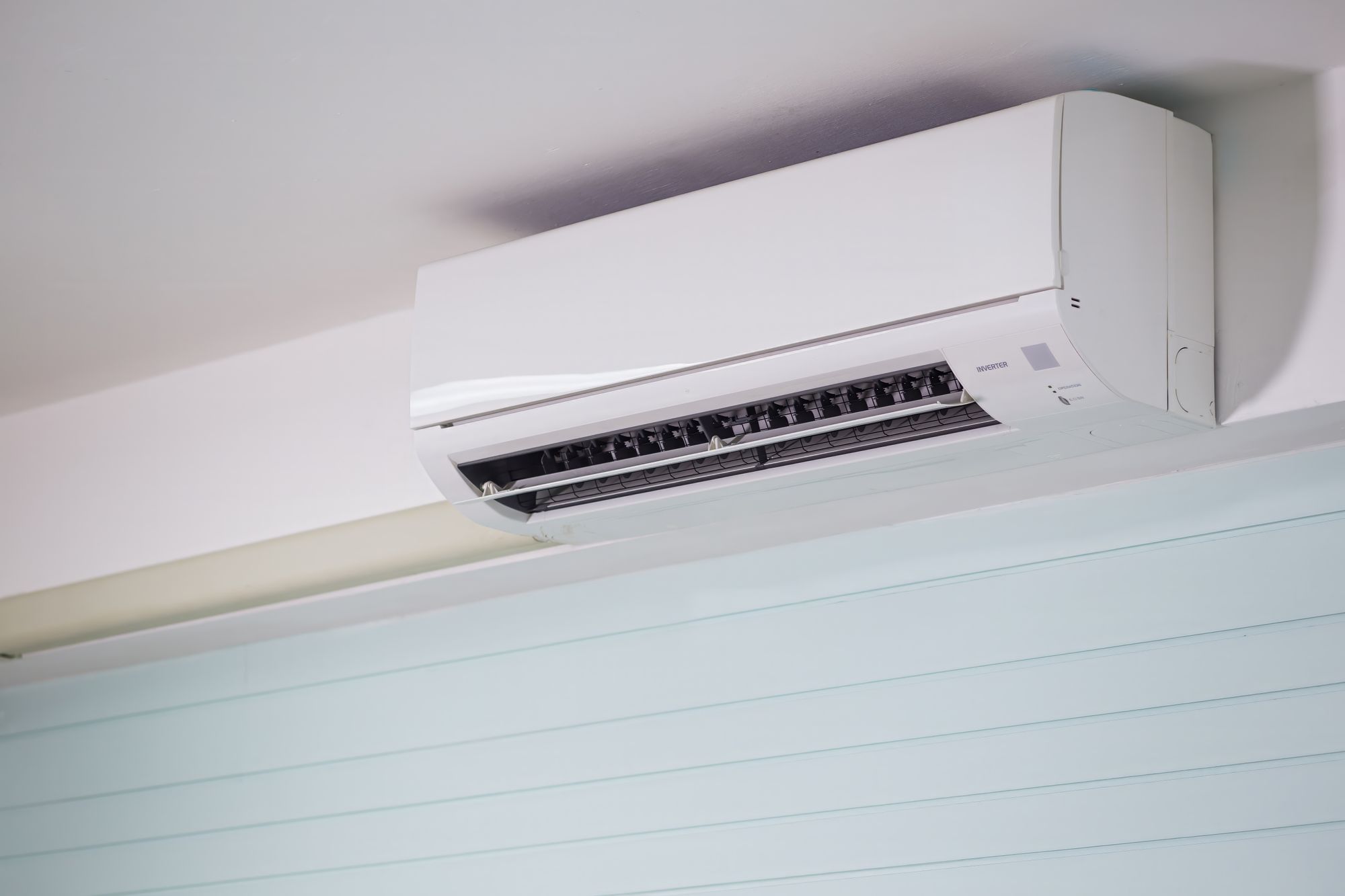
Ductless mini split systems provide cooling without ductwork, and they're the best all-around solution for a dedicated sunroom. A wall-mounted indoor head handles both cooling and heating for shoulder seasons and winter. Because sunrooms need about 30 to 40 BTU per square foot compared to 20 BTU/sq ft for a standard room, a 200 to 300 square foot sunroom with heavy glazing usually needs a 12,000 to 18,000 BTU unit. Many mini splits include a dry mode for dehumidification, which matters a lot in this climate.
A window unit can cool sunrooms effectively if the space is small and the budget is tight. Portable A/C units are suitable for sunroom cooling too, though they're louder and harder to vent cleanly from a full-glass wall. These are fine for peak-summer use but less energy efficient long-term.
Call a pro when you need a Manual J load calculation, when you're checking breaker capacity, or when you want to figure out whether your existing furnace and air handler can be extended. Sizing and refrigerant work will need a licensed HVAC contractor.
Step 5: Control Humidity So the Room Feels Cool
In a climate like coastal North Carolina, high moisture makes 78°F feel closer to 85°F. Controlling humidity is part of keeping a sunroom comfortable. Target 45 to 55% relative humidity for the best balance of comfort and condensation prevention.
A stand-alone dehumidifier can pull 20 to 50 pints of water per day, depending on the unit, making fans and air conditioning feel more effective. I run mine on high-humidity days, especially when storms roll through. During Hurricane Florence in September 2018, Wilmington saw record rains and lingering moisture; 2018 ended as Wilmington's wettest year on record at 102.40 inches, more than 18 inches above the previous annual record. Florence's eye crossed Wrightsville Beach at 7:15 a.m. on September 14, 2018 as a Category 1; the airport still logged a 105 mph peak gust and a low pressure of 965.5 mb. The days and weeks after a storm like that are when a dehumidifier earns its keep.
Position the unit near a drain if possible so gravity handles the water, clean filters regularly and keep your sunroom below 55% RH. The benefits go beyond comfort: less condensation on glass, less mildew on curtains and fabrics, fewer musty smells in a room full of outdoor light.
Step 6: Choose Cool Design and Furnishings
Some of the easiest wins are about what you put in the room. Light colours on the ceiling, walls and floor reflect sunlight instead of absorbing it, and a white-painted ceiling with a pale floor creates a cooler interior starting point. This matters especially on west-facing walls where afternoon sun is the worst.
Choose breathable fabrics like cotton and linen for cushions and throws. Leather and vinyl can get sticky in summer and trap heat against your skin. For shade you can move, freestanding bamboo screens and tall plants can block direct sunlight on the hottest glass panels at noon, and insulated curtains pulled across those panels add another control layer.
Keep electronics and heat-producing gear like TVs, mini-fridges and incandescent lamps to a minimum. LED lighting puts out far less heat than older bulbs, and every watt of internal heat load is a watt your cooling has to overcome. In a space with so much glass, small gains can add up to real energy savings.
Step 7: Plan a New Sunroom for Year-Round Use
If you're still in the plan stage, it's far easier to design a sunroom that stays cool than to fix one built as an afterthought. Specify energy efficient windows from the start, with low-E coatings chosen for your climate zone so you get summer cooling benefits and winter warmth retention. South- and west-facing glazing should target an SHGC of 0.25 to 0.30, while north-facing glass can run higher to capture winter light.
Build an insulated roof and knee walls with proper framing: R-19 ceiling insulation and R-13 in walls per NC code. Spray foam or batt insulation plus air sealing outperforms bare glass and aluminum framing by a wide margin. Leave wall space and electrical capacity for a ductless mini split so you aren't retrofitting later, and confirm your main HVAC system's capacity if you plan to tie the sunroom in.
In hurricane-prone zones like Wilmington, consult local code and possibly a structural engineer. High winds, heavy rain and the kind of season we saw in 2018 demand stronger structure and good water management at every glazing joint and flashing detail. Space heaters can handle mild winter cold in a well-insulated sunroom, but a mini split covers both heating and cooling in one installed unit.
FAQ
Is it safe to extend HVAC ducts into my sunroom?
Extending ducts without a load calculation can overwork your system, causing comfort and efficiency problems in the rest of the house. A licensed HVAC contractor should confirm your system's capacity before any ductwork changes. If the system is too small for the added load, you'll end up with a sunroom that never gets below 80°F and a house that struggles to hold temperature.
What temperature should I aim for in a sunroom in summer?
For a sunroom with small cooling, a target of 76 to 80°F is realistic. Fans can make higher temps feel comfortable by moving air across your skin. On peak afternoons, the sunroom may run a few degrees warmer than the main house. That's normal and acceptable if humidity is controlled.
Do insulated windows make a big difference in a hot sunroom?
Yes. Swapping single-pane glass for insulated windows with low-E coatings can cut solar heat gain by 30 to 50%, often making the difference between a room that's unusable after lunch and one that stays in a livable range. The upgrade can also reduce energy costs year-round.
How do I choose between portable AC, window unit or mini split?
Use a portable or window unit for short-term, budget cooling in smaller sunrooms where you only need relief during peak summer. Choose a ductless mini split for a long-term, energy efficient solution if you want true year-round heating and cooling. The mini split costs more upfront, usually $3,000 to $6,000 for a single-zone install, but it runs quieter, lasts longer and handles both warm and cold seasons.