How to Cool a Finished Attic (Without Wrecking Your Roof or Bill)
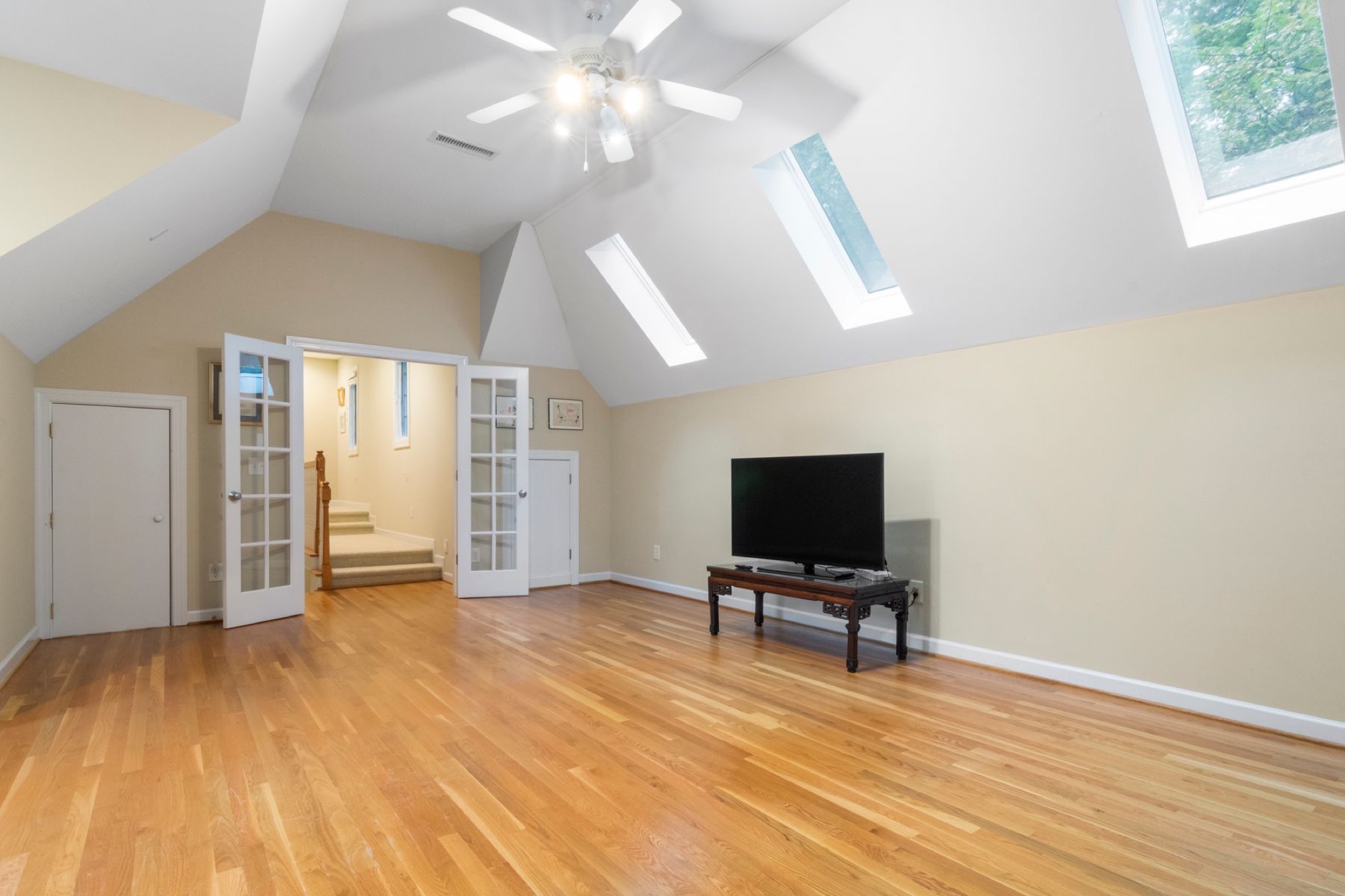
How to cool a finished attic without burning through electricity or damaging your roof is the question every homeowner faces when they climb into that hot box in July. I've spent a lot of hours on this problem at my own home in Wilmington, NC and I'll share what works, what doesn't and when to call a pro.
Key Takeaways
- If your insulation and air sealing are bad, your summer power bills can go up by 15–30%, especially in hot-humid climates.
- You can do fans, window units and basic air sealing yourself. Spray foam at the roof deck, new HVAC runs and major electrical work are jobs you'd want a pro for.
1. Why Finished Attics Get So Hot
I try to avoid walking into my finished attic in Wilmington during a July afternoon. The rest of the house sits at 74 °F, but that room under the rafters can hit 90+ easily because hot air naturally rises, and roofs soak up direct heat from the sun. That turns shingles and sheathing into a hot plate that sends heat straight into sloped ceilings and knee walls.
Finished attics are usually add-on projects with trouble spots baked in:
- Thin or patchy insulation-inadequate insulation is the most common reason finished attics overheat.
- Little air sealing around electrical boxes, plumbing and can lights.
- Undersized or missing HVAC supply and return ducts.
- Attic windows that act as heat amplifiers in finished top-floor spaces, pouring solar gain into a small room.
Signs you'll find: 10–20 °F hotter than the lower floor, AC running all the time, musty smells after heavy August and September rains (those two months together bring over a quarter of Wilmington's 60.15 inches of annual rain), and an ice-cold space in winter even though Wilmington only sees about 0.9 inches of snow per year in recent averages. If you just add a portable AC without fixing the shell, you can end up with condensation, mold and high bills. Good ways to cool a finished attic focus on blocking radiant heat and improving airflow, then you size the right equipment. Let's explore that step by step.
2. Start With an Assessment: What's Your Finished Attic Like Now?
Before you build a plan, spend time up there and check what you're working with:
- Temperature test: On a hot July or August afternoon, note the temperature near the roof slopes, dormers, knee walls and gable ends. Go back on a mild evening. The difference tells you where heat is entering.
- Peek behind access panels: Look for batts, spray foam, rigid foam or bare rafters with visible roof sheathing. Missing materials are your biggest clue.
- Find the vents: Soffit vents and ridge vents are common in attic insulation setups. Look for gable vents and any powered attic fan. Note whether intake vents are installed at the lowest point.
- Check existing cooling: Extended ductwork from central HVAC? A ductless mini-split? Window unit? Nothing at all?
- Grab a cheap infrared thermometer: Spot hot strips along rafters, recessed lights and electrical runs where heat is pouring through. These tools pay for themselves fast.
- Look for moisture: After heavy storms-especially in Wilmington's rainiest stretch of August (8.16 inches) and September (8.69 inches), right in the middle of hurricane season-check for damp spots, staining or musty smells behind knee walls and at the roof deck.
3. Insulation and Air Sealing
For a finished attic, the most effective long-term strategy is making the space part of your home's conditioned envelope by insulating the roof deck and sealing air leaks. The roof deck is the structural sheathing under your shingles-if you insulate here, the entire room stays closer to shade temperature instead of full-sun temperature. A high-efficiency ceiling or roof insulation system can prevent overheating in finished attics.
Common approaches:
- Closed-cell spray foam applied directly to the underside of the roof deck between rafters. Three inches of closed-cell provides an r value of about R21 and works as an air barrier. This is usually a pro job-improper thickness can trap moisture or mar the deck.
- Hybrid systems: Spray foam against the deck plus rigid foam board (like foil-faced polyiso) under the rafters, secured with furring strips and covered with drywall. Adding 2 inches of R13 foam board increases total r value to R33-a big jump for a finished attic.
- Radiant barriers: Install radiant barriers to reflect radiant solar heat back outward before it penetrates the finished room. Radiant barrier foil can reflect up to 97% of radiant sun heat away from the living area. Reflective insulation should face outward towards the roof decking. Applying reflective roof coatings on the exterior can also drop solar absorption a lot.
DIY air sealing you can do today:
- Caulk and foam around electrical penetrations, plumbing vents and can lights rated for insulation contact. Air-sealing is important around knee walls, electrical penetrations and plumbing.
- Seal the gaps where knee walls meet floors and ceilings.
Moisture caution: In hot-humid climates, avoid creating double vapor barriers. Layering spray foam, kraft-faced batts and foil can cause condensation if not detailed correctly. This is a case where you talk to a local building pro or energy rater before piling materials.
Using exterior shade or reflective shades can effectively reduce heat gain through windows-a free win for gable-end dormers. Better insulation also helps in Wilmington's brief winter, when snow is rare but chilly, rainy days stay common.
4. When to Vent and When to Seal the Attic
Two strategies-don't mix them:
- Vented roof: Insulation stays tight to the roof deck with a continuous air channel above. Proper ventilation involves creating a natural passive convection loop using soffit and ridge vents. Ridge vents help release hot air from the attic. Proper ventilation reduces heat buildup in the attic.
- Unvented roof: The roof deck is insulated and air-sealed (often with spray foam), and vents to the outside are blocked on purpose.
Mixing the two-say, spraying foam on the roof deck but keeping active ridge vents-is a recipe for moisture trouble and poor cooling. Agree on one path and commit.
Baffles matter. In a vented assembly, install continuous air channels using insulation baffles to promote airflow in roofs. Use ventilation baffles to keep a clear path from the soffit vents up to the ridge vent-typically a 1–2 inch space. Adding baffles along rafters can prevent insulation from blocking airflow channels in attics. Missing baffles let insulation sag against the deck and overheat the space.
Balancing airflow: Balancing intake and exhaust ventilation is essential for effective attic cooling. Maintaining balanced exterior ventilation helps prevent heat accumulation in finished attics.
Powered attic fans: Thermostatically controlled or solar-powered attic fans can actively pull hot air out of the attic, but many powered fans pull conditioned air from finished rooms through every crack, making things worse. In most cases, you're better off turning them off once you seal and insulate properly.
Wilmington detail: Heavy late-summer rains plus high humidity mean venting has to be designed so moist outdoor air isn't pulled into wall and roof cavities where it can condense on cooler surfaces when the AC runs.
5. Choosing Cooling for a Finished Attic
Once insulation, air sealing and venting are under control, you can size cooling correctly. Oversizing to fight a leaky shell burns money and causes short cycling.
Ductless mini-splits (the gold standard for many):
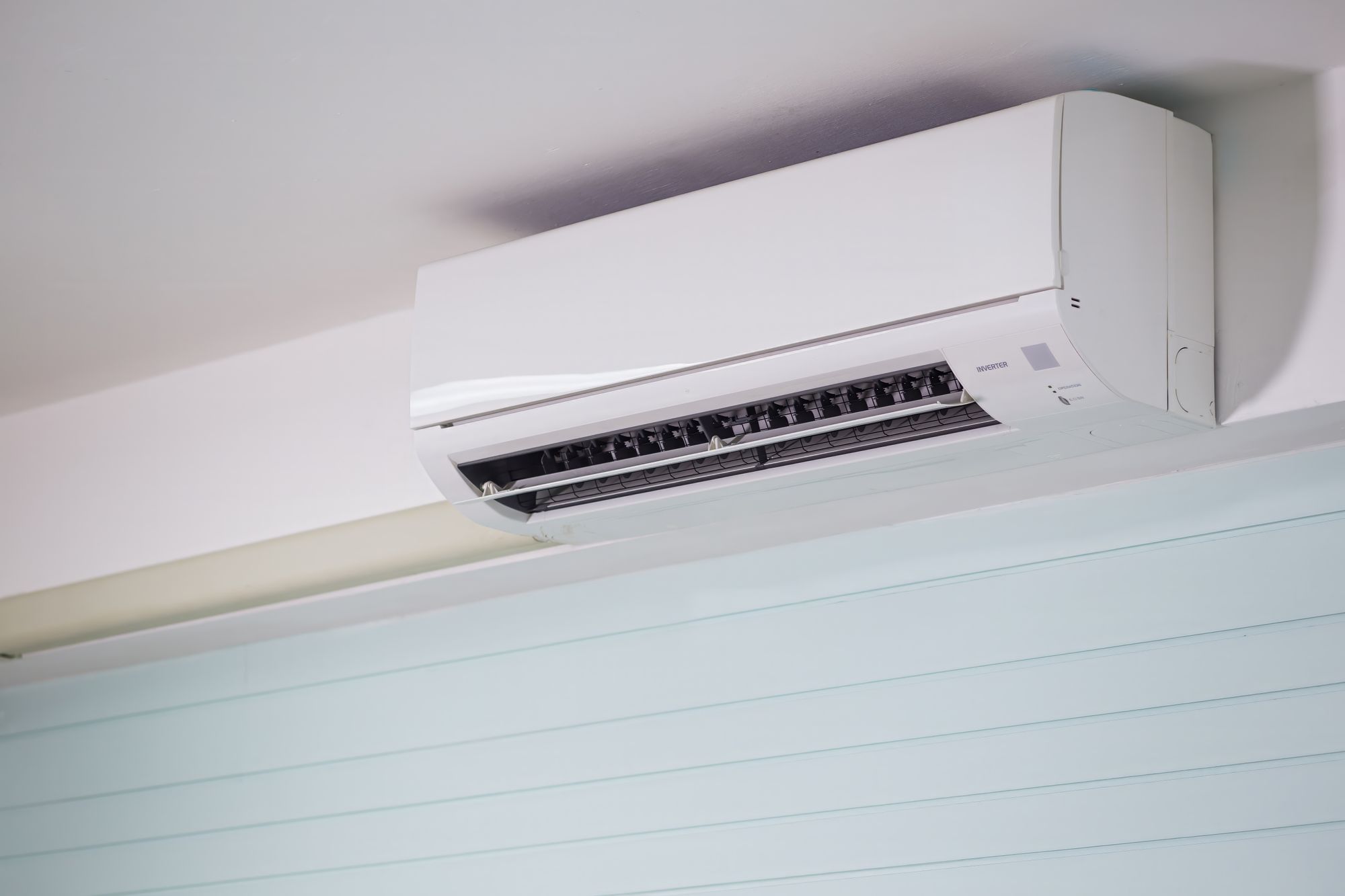
- High-efficiency mini-split heat pumps provide targeted cooling for finished attics. There's a wall-mounted indoor unit, and the outdoor condenser sits on a pad or bracket.
- Many units now perform above 20 SEER2, with great dehumidification for humid climates. There are no duct losses-studies show ducts in unconditioned attics lose 20–30% of cooling energy.
- You'll need a dedicated electrical circuit and a pro installer, but you'll avoid overloading existing ductwork.
Extending central HVAC:
- Can work if your system has spare capacity and the duct runs are short with room for a proper return.
- Risks: If systems are too small, they leave the rest of the house warm and the attic still uncomfortable. Get a proper load calculation-don't guess by square footage.
Window and through-the-wall units:
- Check whether your electrical panel can handle the extra load.
- Tilt slightly to drain condensate outside. Air-seal around the sleeve so you're not cooling the outdoors.
Portable ACs: Last-resort or temporary. Often inefficient and can pull in humid air if not vented well.
Ceiling and portable fans can create air circulation to make the space feel cooler, but they don't lower temperature-they buy you time while you plan the real fix. In hot, wet climates like coastal North Carolina, prioritize systems with strong dehumidification since high humidity makes a room feel hotter than the thermostat reads.
6. DIY vs Pro Help and Safety
Cooling a finished attic involves building science, safety and comfort. Some tasks are great DIY projects and others need a licensed pro.
Realistic DIY tasks:
- Weatherstripping doors and access hatches.
- Basic air sealing with caulk and spray foam (avoid flues and hot fixtures).
- Installing a window or through-the-wall unit if local codes allow.
- Adding blinds, reflective shades or light-colored paint to cut solar gain through gable windows.
Call a pro for:
- Spray foam insulation is being installed or modified at the roof deck.
- Electrical circuits are being replaced for new HVAC equipment.
- Running refrigerant lines or installing a ductless mini-split.
- Altering structure-cutting openings, moving rafters, bracing for heavier equipment.
Code and safety details: Foam must be covered with drywall or another approved thermal barrier for fire safety. Keep gaps to flues and chimneys. Make sure bath fans and dryer vents don't end in the finished attic. Permitted, inspected work with clear documentation causes fewer questions if you sell or refinance.
Even if you plan to DIY most of this project, get at least one quote from a local HVAC or insulation contractor. It's a free reality check on costs and options, and you might find the expensive parts aren't as bad as you worried.
Thanks for reading-if this post helped you sort out a plan, share it with a friend dealing with the same question. Drop any details or answer in the comments below. I read every one and I'm happy to help you work through your specific situation.
FAQ
How can I cool my finished attic fast?
Seal obvious air leaks around doors and access panels, add thick dark shades to windows, and use a window AC sized for the room as a quick fix. A box fan that is positioned to push hot air out a gable window in the evening helps too. These are band-aids-plan to address insulation and the roof deck when you can.
Is Spray Foam Safe for Shingles?
Insulating the roof deck with spray foam raises shingle temperature slightly, but studies in hot climates show it's generally within acceptable limits when installed correctly. Check your shingle manufacturer's guidance on sealed roof assemblies and use installers who are familiar with your local condition and codes.
Can I insulate the attic floor instead of the roof?
Floor insulation only helps if the finished attic isn't part of your conditioned space. Once you're using it as a living room, the roof deck is the right place to insulate. If you stack floor insulation while trying to cool the space above, you can hide air leaks and make diagnosing comfort problems harder.
Do I need attic vents with spray foam?
In a properly detailed unvented assembly with spray foam at the roof deck, traditional soffit and ridge vents are blocked off by design. Leaving vents open lets humid outside air into the foam-to-wood interface-exactly what you want to avoid. Any switch from vented to unvented should be planned with a contractor who knows local code.
Why Does My Finished Attic Smell Musty?
Musty odors after storms usually point to high humidity, minor roof or flashing leaks, and condensation in hidden cavities caused by AC that is running all the time. Check around valleys, dormers and chimney penetrations for damp insulation or staining. Does a dehumidifier or better dehumidification from your cooling system help? It does, but fix any water entry before adding more insulation or foam.