How to Improve Airflow in a Room: A DIY Homeowner's Guide
Learning how to improve airflow in a room matters if you've lived in Wilmington, North Carolina long enough to know that a room with poor air circulation can feel stuffy in about five minutes flat, especially from May through October. The good news is that you don't have to rip open walls or replace your whole system to get better airflow. Most fixes start with a filter, a fan and a door that you leave open a little.
Key Takeaways
- Start by checking the basics: make sure all the air vents are clear, put in a new filter if the old one is dirty, and keep the interior doors at least half-open so air can move through the whole room and improve air circulation.
- Create cross ventilation whenever you can by opening windows or doors on opposite sides of the space and backing that up with ceiling fans or a box fan to keep air moving.
- Use exhaust fans in bathrooms, kitchens and rooms with no windows to push old air out, then help them out with a dehumidifier or portable air purifier so the air quality stays high.
- If airflow problems keep happening in one room, look at the duct work, duct leaks and fan settings, and know when it's time to call an HVAC pro.
How Airflow Works in a Typical Room
Your central HVAC system has a simple loop. Supply vents blow air into each room, and return vents pull it back to the air handler where it gets filtered, heated or cooled and sent out again. That loop keeps air moving through the room and the rest of the house. When it works you barely notice it, but when it doesn't, one room can feel like a sauna while the one next door is fine.
Warm air naturally rises and cool air sinks, which is the stack effect. It's why the area near the ceiling feels hot in summer while the floor stays cooler. Corners, spaces behind furniture and spots far from vents become dead zones where stale air collects. Ventilation strategies may include mechanical systems for air exchange, and a well-designed system can refresh indoor air within two hours. Ventilation helps lower indoor pollutants like CO₂ and formaldehyde, and it helps prevent excessive humidity and stuffiness indoors.
Here in Wilmington, most standard air conditioners and heat pumps are closed-loop systems: the coil cools and moves indoor air around but doesn't bring outdoor air in unless you have a dedicated fresh-air intake. That's the key difference between ventilation, which brings in fresh air or pushes stale air out, and simple air circulation, which just moves the same air around the room.
Signs Your Room Has Poor Air Flow
Before you start any DIY work, take a minute to figure out what is actually going wrong.
- Comfort clues: spots that are hot or cold in the same room, a bedroom that always lags behind the thermostat, or a home office where the air feels dead.
- Moisture and visual clues: condensation on windows, musty smells along exterior walls, visible dust streaks around vents, or doors that slam when the air conditioning or an exhaust fan comes on.
- Health and allergy clues: scratchy throat, headaches in a closed room that ease when you step outside, or dust that builds up on surfaces a day or two after you clean. High humidity can lead to mold and mildew growth, so watch for that too.
Try a simple "tissue test": hold a tissue near a supply vent to see if air is blowing out, and hold one near a return vent to see if it is pulling air in. Then walk around the room with a cheap digital thermometer and a humidity reader. If the temperature changes more than 3–5°F from one side of the room to the other, or if the indoor humidity is above 60%, those are signs of poor air quality.
Use Fans to Move Air
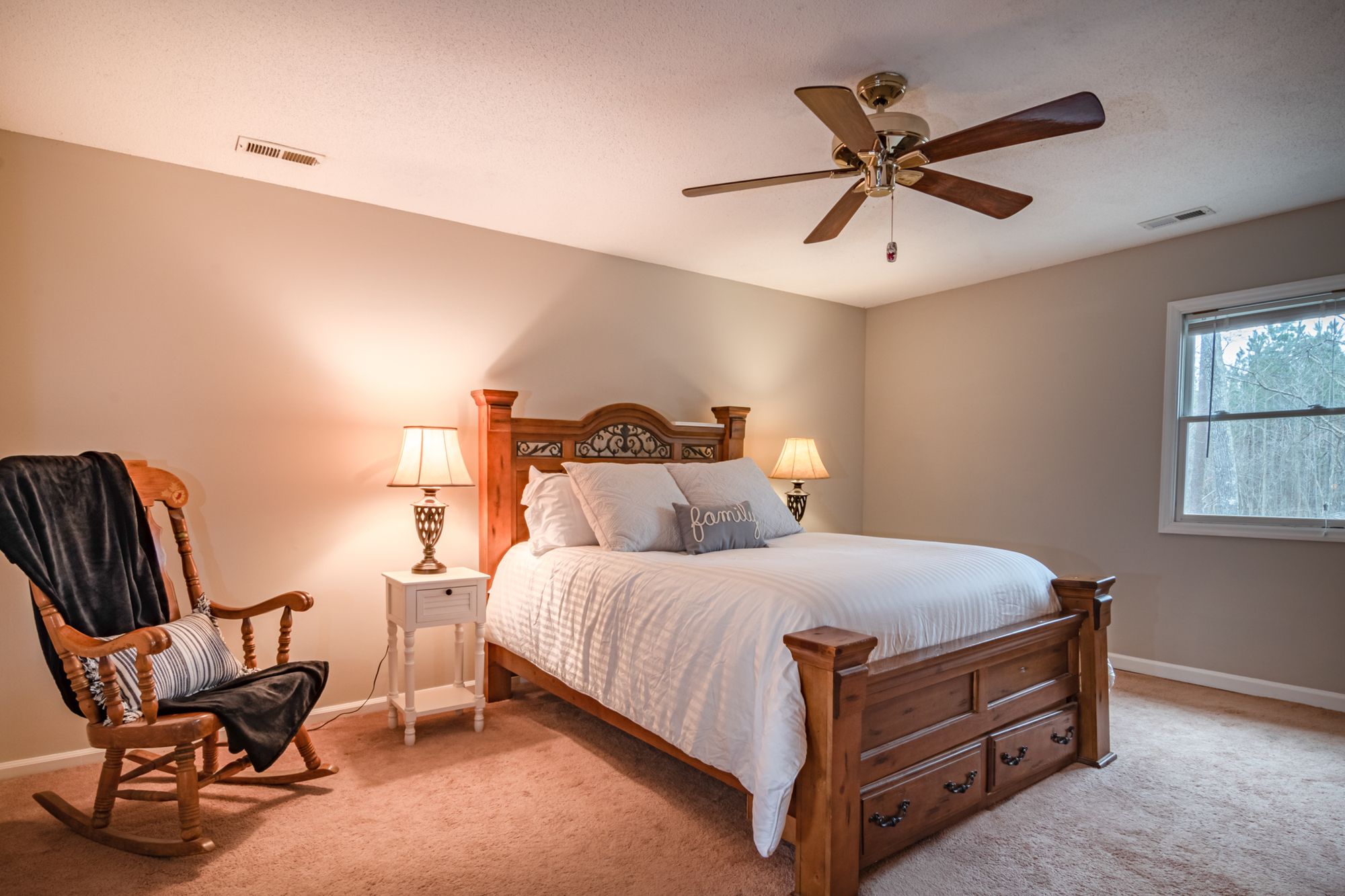
Ceiling fans should rotate counterclockwise in summer to blow air downward for a wind-chill effect, and clockwise on low in winter to pull warm air off the ceiling and push it down the walls. That alone can even out the temperature across the entire room.
Cross ventilation lines up windows or doors on opposite sides to promote airflow. Open a window on one wall, then open a window or door on the opposite side so fresh air flows straight through. For extra power, set box fans in a window facing outward to act like an exhaust fan. This pushes stale air outside while the other opening lets you pull fresh air in. Opening windows for 5–10 minutes per hour improves air quality, especially early morning or late evening when outdoor air is cooler and less humid. In rooms with only one window, place one fan at the window facing out and crack the door open so air from the hallway fills the gap. Use oscillating fans to mimic cross ventilation when real cross ventilation isn't possible.
In coastal climates like Wilmington, close windows during midday heat and rely on ceiling fans plus the air conditioner to keep things comfortable.
Get More from Your Vents and AC
Blocked vents and poor duct work can undo every other trick you try. Keep all supply and return vents fully open in the problem room and pull furniture back at least six inches. Ducts and vents should stay clear of things that block them so the pressure stays balanced. Don't "close off" vents in other rooms thinking you'll force more air into one, because that can hurt overall air circulation and stress the system.
Here's how air conditioners work in a central system: the air handler fan moves air through ducts, across the coil and back out through vents. If the filter or coil is dirty, airflow to that room drops. Choose air filters rated MERV 8–11 for most homes and slide in a new one every 1–3 months. An overly tight filter (say MERV 16) can reduce airflow as much as dirty filters if the blower isn't sized for it.
Check for visible duct issues you can safely see: crushed flex duct above a bonus room, a disconnected takeoff in an unfinished attic, or a closed damper handle on a branch feeding the stuffy room. Sealing larger duct leaks, rebalancing a multi-room system or upsizing undersized ducts is usually a job for an HVAC pro, especially under current mechanical codes.
Exhaust Fans, Air Purifiers and Dehumidifiers
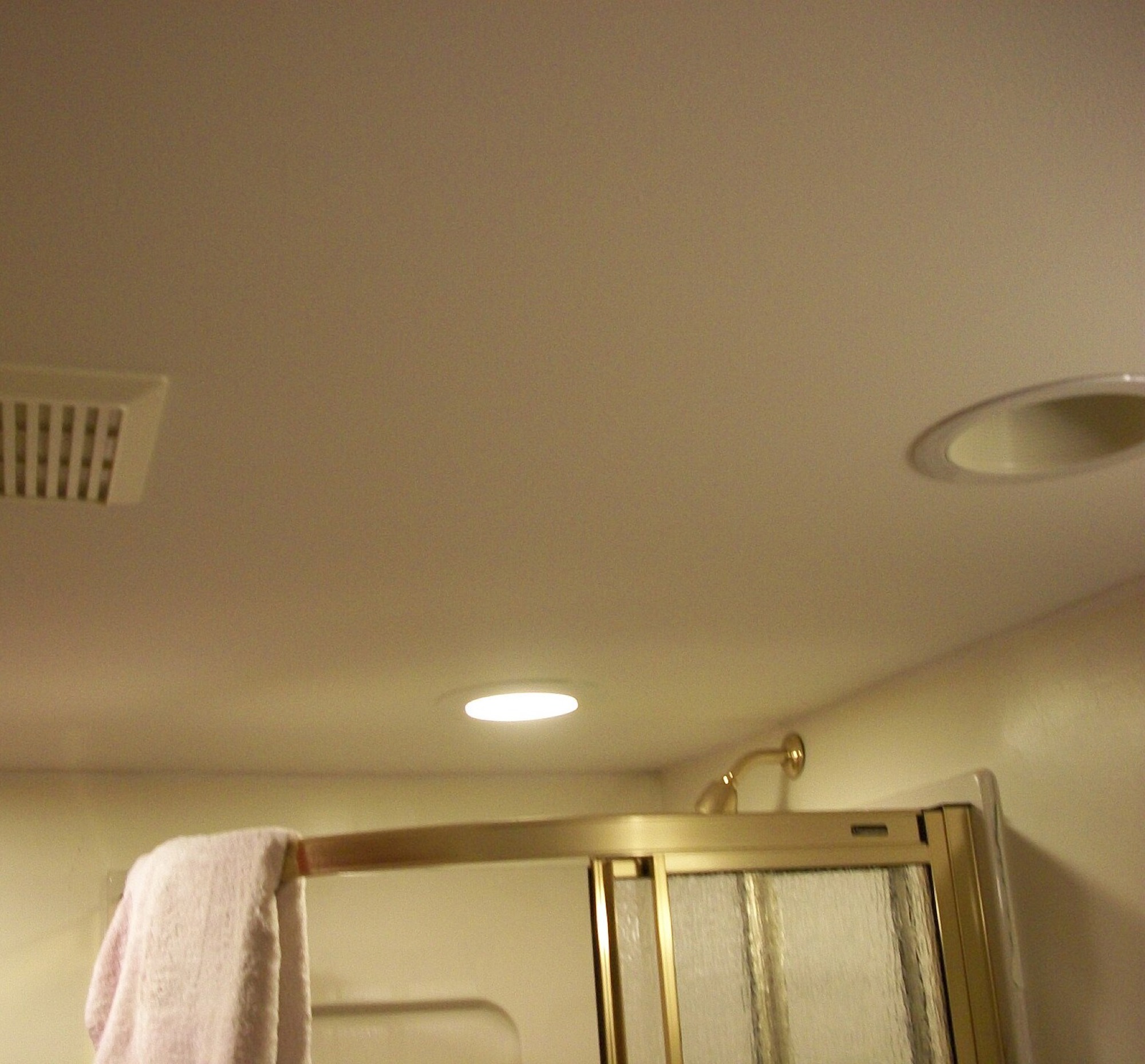
Exhaust fans actively pull humid air out of rooms. Bathroom and kitchen exhaust fans remove stale air and excess moisture to the outside-run them during and at least 15–20 minutes after showers or cooking to improve air quality in nearby rooms. Exhaust fans actively remove stale air from enclosed spaces, and install exhaust fans to remove stale air effectively in any room that lacks natural cross ventilation. If you're wiring new fans, note that North Carolina still enforces the 2020 State Electrical Code (the 2020 NEC plus state amendments). Adoption of the 2023 edition is on indefinite delay under Session Law 2025-2.
Air purifiers use HEPA filtration to remove airborne pollutants-a true HEPA filter captures 99.97% of airborne particles down to 0.3 microns. Use air purifiers with HEPA filters to improve air quality, and portable HEPA cleaners trap virus particles effectively indoors. Good ventilation can lower virus particles in indoor air too. But an air purifier can't move fresh air into the room. It only scrubs what's already there.
A dehumidifier keeps humidity between 40–50%. That range is the sweet spot. Indoor humidity should be kept around 30–50% to prevent stuffiness and mold. Dehumidifiers reduce humidity levels to improve air quality, and keeping humidity at that range makes air feel lighter, helps ceiling fans work better, and reduces mold risk. Proper ventilation can reduce the risk of mold growth as well. Place purifiers and dehumidifiers where air can freely enter and exit-not jammed in a corner-and clean pre-filters on schedule.
Room Layout and Small Tweaks
Stand in the doorway and look at what is physically blocking air from flowing across the room.
- Furniture: avoid putting high-back couches, bookcases or tall dressers directly in front of supply vents or return grilles. Leave a clear path for air to move between the door, windows and vents.
- Window treatments: swap heavy blackout drapes for lighter cotton or linen during warmer months so air can move freely near the window wall and the room doesn't trap heat.
- Floor-level clutter: thick bed skirts, piles of storage under beds, and big area rugs slow air flow at floor level, especially in smaller bedrooms with only one or two vents. Removing dust and clutter from corners where air tends to stagnate can noticeably improve air movement.
Airflow in Basements and Windowless Rooms
Interior rooms, basements and bonus rooms over garages are the usual trouble spots. They often need a layered approach.
- Windowless room or home office: Using air circulators can enhance airflow in closed rooms. Point an oscillating fan toward the doorway, keep the door ajar and run an exhaust fan in a nearby bathroom to encourage air exchange with adjoining rooms and other rooms in the house.
- Basements: high humidity is common. A dedicated dehumidifier, clear paths to supply and return vents, and if code lets you put in a through-wall vent fan to exhaust damp air outdoors, will make a comfortable environment.
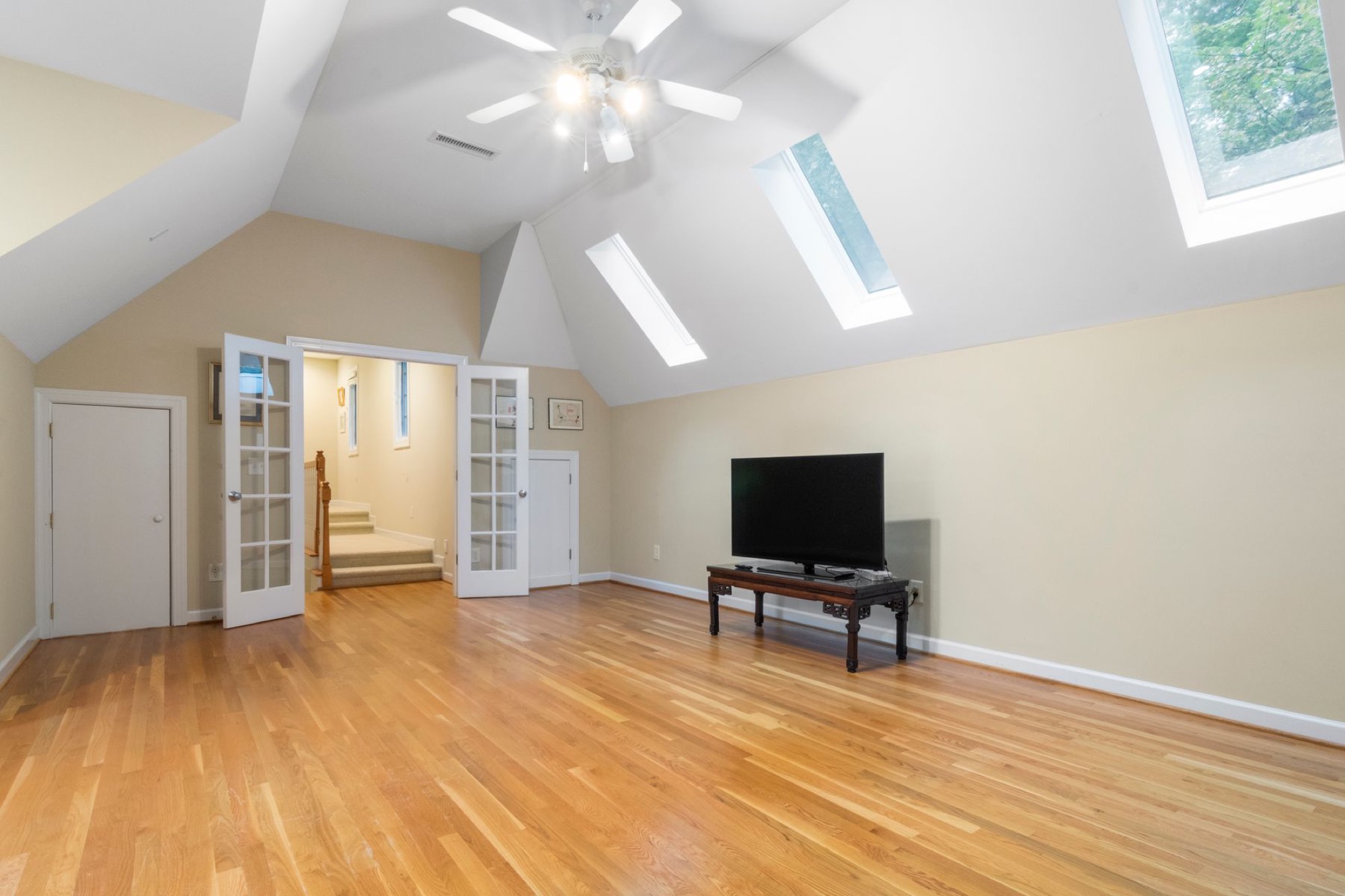
- Bonus rooms above garages: check that the room has its own properly sized vents. If central heating and cooling ductwork is undersized, a ductless mini-split delivers better airflow without long duct runs. A ceiling fan on a higher speed breaks up stratified warm air collecting at the ceiling.
One practical NC detail: in closed, encapsulated crawlspaces, wall liners must stop 3 inches below the top of the masonry wall, leaving a 3–4 inch termite inspection gap below the wood sill. Poor crawlspace moisture control here can still influence airflow and air quality in the rooms above.
Call a pro when you see persistent musty smells, visible mold, very weak airflow at vents even after filter changes, or big temperature differences between floors.
Maintenance Habits for Healthy Air Circulation
Regularly upgrade HVAC air filters to maintain airflow efficiency, every 1–3 months and more often with pets or allergies. Mark your calendar. A daily routine of opening windows and running fans improves indoor air quality over time. Vacuum or wipe vent covers and return grilles a few times a year so dust doesn't restrict flow. Test exhaust fans seasonally by holding a tissue to the grill, and if it pulls tight, the fan is working.
Frequently Asked Questions
How can I improve airflow in a closed bedroom?
Keep the door open when possible, even leaving it partially open makes a difference. Clear all vents, add a quiet ceiling fan or oscillating fan, and place box fans in the hallway to push fresh air toward the bedroom. A portable air purifier helps with air quality when the door needs to stay mostly closed.
Does running the AC fan on "auto" or "on" improve air circulation more?
"Auto" only runs the blower when the system is actively heating or cooling. "On" runs it continuously, and that provides better air circulation and more air filtering through the whole house. The trade-off is that "on" slightly increases electricity use and can make humidity control harder in humid climates, so many homeowners use it only during problem times of day.
Is Closing Vents in Unused Rooms Safe?
I'd advise against it. Closing too many vents raises pressure in the duct work, can cause noisy ducts and may shorten the system's lifespan or create new hot and cold spots. Leave vents open and work on duct balancing or sealing leaks with help from an HVAC pro if one room is consistently uncomfortable.
When should I call an HVAC pro?
Call a pro when airflow is weak even with clean filters and clear vents, when one floor is always much hotter or colder, or when there are signs of mold, persistent musty odors or whistling ducts. Any work involving new electrical circuits for exhaust fans or major duct rerouting should follow local codes and is best left to a licensed contractor, especially under the 2020 electrical code still enforced in North Carolina.