How to Reduce Humidity in a Basement: A DIY Homeowner's Guide
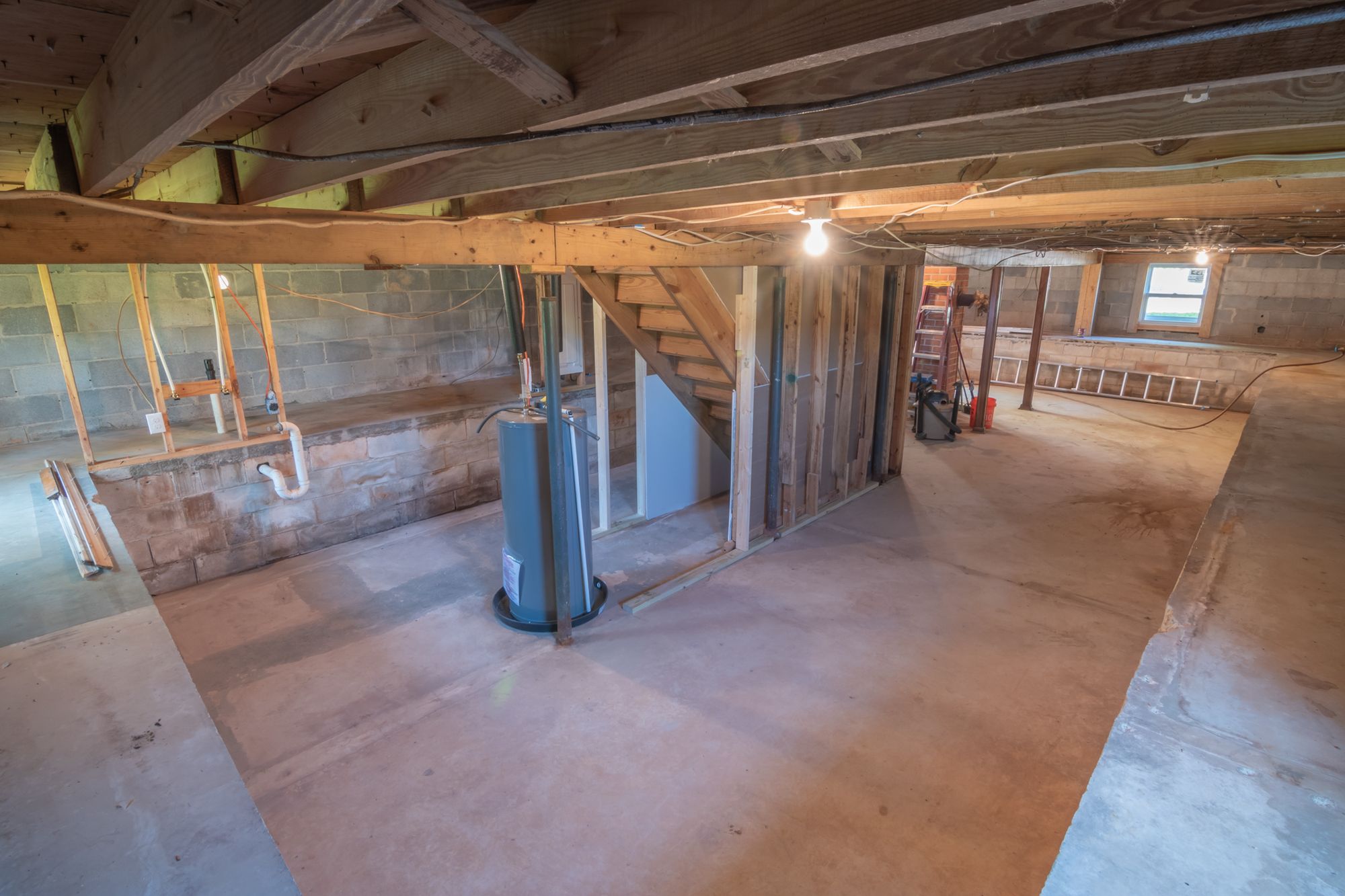
A damp basement is more than just an inconvenience-it can fuel mold, rot your floor joists, and push musty air into every room above it. The good news is that most basement humidity problems have straightforward fixes you can tackle over a weekend or two. Here's what I've learned keeping my own basement dry in coastal North Carolina.
Why Basement Humidity Is a Big Deal
I'm Ken, and I live in Wilmington, NC, where the summers are humid and that's no joke.
My basement sits below grade, and the soil around it presses right up against it.
That soil can stay near 100% humidity all year long.
Even without standing water, that soil keeps releasing moisture through the concrete walls and floor.
Upper floors stay drier because they are surrounded by air, not earth and basements do not get that luxury.
Here's what it actually costs you when your humidity levels are too high:
- Health risks. Mold and mildew do well above 60% RH, and dust mites multiply in moist air too. Humidity levels below 60% reduce dust mites a lot. Mold spores and musty odors move upward into your living spaces through the stack effect, and that hurts the indoor air quality for the whole house.
- Structural damage. Moisture rots wood joists and sill plates where they touch damp concrete. Efflorescence, spalling and rust on appliances are all signs that excess moisture is doing long-term harm.
- Property damage. Stored belongings like cardboard boxes, photos and fabrics soak up water vapor and become places where mold can grow.
The EPA recommends keeping indoor humidity below 60%, ideally between 30–50%. They also note that wet materials usually won't grow mold if they are dried within 24–48 hours. That narrow window matters. It means a slow drip or persistent dampness you ignore for a few days can become a real moisture problem.
What Humidity Level for Your Basement?
Here's what to target:
- Ideal range: Basements should keep humidity between 30% and 50% RH.
- Upper limit: Humidity above 60% can promote mold growth and a lot of dust mites.
- Summer target: Basements should keep humidity levels around 45–50% in summer. In places like North Carolina or the Midwest, 40–55% is a realistic working target.
How to Measure Basement Humidity First
- Buy a digital humidity gauge. They are about $10–$25 at any hardware store. Place one in the center of the basement, away from vents and basement windows, at about waist height.
- Use two if possible. Put a second humidity gauge in the opposite corner near foundation walls or your sump pump pit. This finds damp spots that a single sensor in the center would miss.
- Track over several days. Log readings during dry weather, after rain and during humid summers. You're looking for patterns. Does humidity spike to 70% after a storm? Does it creep up overnight when the basement air is still?
- Do not rely on the dehumidifier's built-in humidistat. Those sensors only read the air right at the unit's intake. A separate humidity gauge gives you a more accurate picture of humidity in your basement across the whole space.
Common Causes of Basement Moisture Problems
- Improper drainage and flat or negative grading direct rainwater toward the foundation instead of away from it.
- Missing, clogged or small gutters let water run down the side of the house. Poor drainage can allow rainwater to collect around foundations.
- Short downspouts are dumping water right at the base of the wall.
- Concrete walls can allow moisture to move into basements through vapor diffusion, even without visible cracks. They can absorb moisture from surrounding soil, and research shows they can absorb about 0.2 gallons of moisture per square foot.
- Groundwater pressure can force moisture through tiny cracks in masonry walls and floor cracks via hydrostatic pressure and capillary action.
- Dryers that are not properly vented to the exterior, leaky pipes and water heaters all add more moisture to the basement air.
- Open sump pits, washing machines and even drying laundry indoors pump water vapor into the space.
- Condensation occurs when warm air enters a cool basement. When warm outdoor air or moist air leaks in through gaps, it hits cold surfaces like concrete or cold water pipes and forms water drops.
To put the exterior water load in perspective: during a 1-inch rain, about 1,250 gallons fall on a 2,000-square-foot roof. If your gutters or grading aren't handling that volume, your basement is going to feel it.
Ways to Reduce Basement Humidity This Week
Start here. These are same-week DIY steps that don't cost much and make a noticeable difference:
- Close basement windows during humid summers. Opening them to "air out" the basement actually makes things worse. Humid air enters the cool basement and condenses on every cold surface. Stop doing it.
- Run a dehumidifier. Set it to around 45–50% RH. If your unit has a hose outlet, connect it to a floor drain or condensate pump for continuous drain operation so you are not emptying buckets twice a day.
- Add a fan for air circulation. A simple box fan or oscillating fan pointed across the room improves air movement and helps the dehumidifier pull moisture from far corners. Do not aim it directly at the dehumidifier intake.
- Get stuff off the floor. Storing materials that trap moisture, like cardboard boxes, old fabric and stacked newspapers, can increase basement humidity and give mold a place to grow. Switch to sealed plastic bins with lids and elevate them on shelves or pallets.
- Check for obvious leaks. Walk the perimeter looking for leaky pipes, dripping condensate lines or a water heater with a slow leak. Fix what you find.
Improving Exterior Drainage to Control Basement Moisture
Grading: The ground should slope away from the foundation at least 1 inch per foot for the first 6 feet. Improper grading can direct rainwater toward the foundation, and proper grading is often the cheapest fix. A few wheelbarrows of fill dirt and a rake can solve years of water seepage.
Gutters: Cleaning gutters prevents overflow near the foundation. I clean mine at least twice a year and after major storms. You need a minimum of one downspout per 50 linear feet of roof eave. Gutters should discharge water at least 4 feet beyond the wall, and downspouts should direct rainwater at least 4 to 6 feet away from the foundation using extensions or splash blocks.
Window wells: Window wells should be filled with 3/8- to 3/4-inch coarse aggregate to promote drainage away from the wall instead of letting water pool against basement windows.
When to go bigger: Chronic standing water, heavy clay soils or a very high water table may need French drains or other exterior drainage systems. Drain tile systems are recommended around basement walls in sandy soils. These drainage improvements often cost $4,000–$17,000 for interior systems or more for exterior excavation. That is usually a "call a pro" job.
Interior Sealing and Insulating
- Seal cracks and gaps. Seal cracks in foundation walls to prevent moisture intrusion. Use hydraulic cement for active small cracks and caulk or spray foam around basement windows, sill plates and pipe penetrations to limit humid air leakage.
- Insulate cold water pipes. Insulating cold water pipes prevents condensation. Foam pipe wrap costs a few dollars per length and stops those pipes from sweating and dripping, which adds excess humidity to the basement air.
- Vent moisture sources properly. Make sure your dryer is properly vented to the exterior, not into the basement. Use exhaust fans in high-moisture areas like basement bathrooms. Fix any plumbing leaks and address water heaters that show signs of corrosion or dripping.
- Waterproof coatings on masonry walls. Applying waterproof sealants stops moisture movement through concrete and can reduce vapor diffusion from damp foundation walls. However, a coating alone doesn't replace good exterior drainage. It is a supplement, not a substitute.
Using a Basement Dehumidifier
Sizing: For a typical 1,000 sq ft basement with moderate dampness, you'll generally need a unit in the 50–70 pint class. Modern dehumidifiers can remove dozens of pints daily, and a properly sized dehumidifier removes up to 9 gallons daily. If your basement is very damp (visible condensation, musty smell even with fans running), size up rather than down. Note that 2019 DOE testing standard changes mean new pint ratings are measured at cooler temps. A "50-pint" unit today removes less at typical basement temperatures than the same label implied a few years ago.
Placement and drainage: Set the unit near the center of the basement or the moist area with at least a foot of clearance on all sides for good air circulation. Hook up a continuous drain line to a floor drain or condensate pump. Dehumidifiers can reduce humidity from 70% to 45–50%, which is exactly where you want to be.
Maintenance: Clean the air filter monthly during humid summers, inspect coils for dust buildup, and test your condensate drain or pump regularly. Dehumidifiers help prevent mold growth in basements, but only when they are clean and running properly. Keep in mind that dehumidifiers are one of the costliest appliances to run. Newer ENERGY STAR units help, but expect $30–$100 per year in electricity depending on load.
When it's not enough: If your dehumidifier runs constantly and still can't hold humidity under 60%, that signals deeper basement moisture problems. That's likely groundwater seepage or a major exterior drainage failure. No dehumidifier will outpace water that is actively pushing through your slab.
Ventilation and When to Open Basement Windows
- Humid summers: Opening basement windows usually makes things worse. Warm outdoor air rushes into the cool basement, and condensation forms on every cold surface. Keep windows closed and let your dehumidifier and air conditioning system handle it.
- Cooler, drier days: On fall mornings when outdoor humidity drops below about 50–55%, brief window ventilation can bring in fresh air and help flush stale basement air. Check your humidity gauge. If outdoor dew point is lower than your basement temperature, it's safe to open up.
- Improving air circulation year-round: Leave interior doors open between basement rooms. Run a fan to keep air movement going. If code lets you and your HVAC system supports it, tying the basement into your home's return and supply ductwork helps condition the cold air and keep humidity in check.
- Safety note: Never run unvented gas heaters or combustion devices in a basement. They release moisture and carbon monoxide, a dangerous combination in a space with poor airflow.
Stopping Mold in a Damp Basement
Mold growth is really the main reason we worry about basement humidity in the first place. Here's how you can stay ahead of it:
- Hold the line on humidity. Keeping basement humidity below 60% (ideally 30–50%) takes away the moisture mold needs within that 24–48 hour growth window. If you maintain proper humidity levels consistently, you've eliminated the single biggest factor mold needs.
- Inspect hidden spots. Look behind stored belongings, in corners behind furniture and near sump pump pits for early signs of visible mold or white efflorescence on foundation walls. Catch it early.
- Small mold cleanup is DIY-friendly. A homeowner can usually clean up mold under about 10 sq ft (about a 3×3 ft patch) with proper protection, like gloves, N95 mask and scrubbing with a detergent solution. Larger areas warrant a professional.
- Remove and discard porous materials. Moldy cardboard, carpet and soft goods usually can't be saved. Clean remaining hard surfaces, maintain lower moisture levels and the musty odors will stop coming back.
When DIY Basement Humidity Fixes Aren't Enough
- Standing water after moderate rain or water streaming through foundation cracks
- Paint blistering, spalling concrete or a constantly wet slab despite running a dehumidifier
- Major foundation wall bowing or shifting. That's structural damage territory
- Homes with high water tables where hydrostatic pressure pushes water through floor cracks regardless of what you do inside
Before you call: Document your humidity readings, take photos of wet spots and any visible mold, and note rainfall patterns. A contractor who sees real data will give you a better diagnosis and a tighter scope of work. Regular maintenance of sump pumps ensures proper operation during heavy rains. Make sure yours is working before a pro arrives so they can focus on the real issue.