How to Cool a Basement (Without Freezing the Rest of the House)
What to Remember
- A good first step would be to move hot air out and bring cool air in with fans, vents and small layout changes before you spend money on equipment.
- Seal air leaks, insulate rim joists and deal with moisture first - cool air doesn't help if your basement is damp and musty.
- A dehumidifier that is the right size, plus a box fan, can make a warm basement feel 5 to 10 degrees cooler and more comfortable in humid places like Wilmington, NC.
- Only after the basics are handled should you look at ductwork changes, a mini-split or a dedicated basement AC, and that's often a good time to bring in an HVAC contractor.
- Safe cooling in a basement means watching for condensation, mold risk and circuits that are overloaded, especially in older homes.
Why Basements Get So Hot
If you've ever walked down the stairs on a summer day looking for a cool retreat and instead hit a wall of warm, old air, you probably know why figuring out how to cool a basement matters. I'm Ken, a homeowner in Wilmington, NC and I've learned the hard way that your basement traps heat from the first floor, holds humidity like a sponge, and often has few supply or return ducts. In coastal New Hanover County, where Hurricane Florence (a Category 1 at arrival in 2018) caused about $24 billion in damage, more than Matthew and Floyd combined, because most hurricane damage comes from flooding, not wind, moisture control matters as much as cold air. This post is a practical plan with steps you can actually do, one by one. It starts with free fixes and ends with the bigger options.
Step 1: Improve Airflow So Cool Air Can Actually Move
Before you add any equipment, test what you already have. Find out which rooms produce the most hot air. Kitchen, laundry, home office with a space heater or server. Notice how that heat moves down into the basement through open doors and ceiling gaps. A box fan placed at the top of the basement stairs can push cool air down or pull warm air up. Try both directions for a day each and see which feels better. Unblock any transfer grilles in walls or above doors so fresh air can move between rooms instead of sitting still. Keep inside doors open if you want air mixing across the whole area, or close them to keep one room comfortable.
One safety note: don't daisy-chain high-amp fans on a single outlet or long extension cords, especially in an older house where circuits are shared. For a 1,000-square-foot basement with 8-foot ceiling, you'd need about 533 CFM of fan capacity to turn the air over four times an hour. That's a good mark for choosing fan sizes. Sometimes this step alone drops the temperature enough that you do not need a bigger solution.
Step 2: Get Moisture Under Control So Cool Air Actually Feels Cool
After Florence, basements and crawlspaces in my area stayed damp for weeks. No amount of turning the AC dial down helped. Everything felt sticky until humidity came down. High humidity makes warm air feel worse and turns cool surfaces into traps for condensation that invite mold.
For a typical 800–1,200 square foot basement in a humid climate, I'd look at a dehumidifier rated for 50–70 pints per day. Place it in the center where airflow can reach it, not pushed into a corner. Set the target around 50–55% relative humidity in summer. Going below 40% uses extra energy and can dry out wood finishes. Drainage matters: use the built-in pump to run a line to a floor drain or nearby sink. A bucket that overflows at 2 a.m. in a finished basement is a problem you don't want.
Seal obvious water entry points, such as cracks in the slab, pipe penetrations and window gaps, with hydraulic cement or caulk. If you are dealing with ongoing seepage or standing water, that's a "call a waterproofing pro" situation, not a DIY weekend. In flood-prone counties like New Hanover, moisture is a bigger long-term comfort problem than just hot air.
Step 3: Seal and Insulate
No amount of cool air helps if heat constantly gets in through uninsulated walls and leaky windows. Start at the rim joists, those blocks along the ceiling line where the foundation meets the house framing. Gaps here let warm, humid outdoor air pour inside. Seal cracks under a quarter inch with caulk. Fill larger openings with spray foam or rigid foam board. Energy.gov's building science guide recommends covering the full cavity with closed-cell foam for better vapor resistance in humid climates.
If exposed ducts run through the basement, make sure they're insulated. Bare metal ductwork drips in humid air and drips onto everything below. Upgrade old single-pane basement windows to double-pane, or add window film and simple insulating curtains to cut solar heat gain. Weatherstrip any exterior doors, especially on walk-out designs. These projects are DIY-friendly for you if you're careful, though big foundation wall insulation jobs are worth running past a local contractor.
Step 4: Use Fans and Vents to Move Cool Air
Once leaks and moisture are handled, cheap tools go a long way. You can set up a "cool air path" from the naturally coolest spot, often a corner away from windows on a shaded side of the house, toward the room where you actually sit, work or sleep. A small inline duct fan or through-wall vent between basement rooms can share cool air from a comfortable space with one that runs warmer. You can install a dedicated exhaust fan in a utility or furnace room to pull stale hot air out. Just be aware that exhaust fans near gas appliances can cause backdrafting. Balanced ventilation is the safer option.
Manage air stratification by placing a fan near the floor pointing upward so the coolest air is not stuck down by the slab while warm air stays at ceiling height. For TV rooms or bedrooms, pick quieter fans with lower dB ratings so the cure isn't more annoying than the heat.
Step 5: Tune Your HVAC for More Cool Air Downstairs
Many homes already have some connection between the central system and the basement, but the balance is designed for upstairs comfort first. Walk downstairs and check: are supply vents open? Are return ducts clear of furniture, rugs or storage boxes?
Most duct systems have balancing dampers on branch lines. Slightly closing a half-turn on upstairs dampers moves more airflow to the basement. Do this gradually over a few days. Slamming them shut can stress the blower and create noise. If your thermostat lives on the first floor or top floor, the system reads that temperature and may ignore the basement completely. A zoning system or second thermostat can help, but that's usually a job for an HVAC pro.
One energy caution: constantly overcooling the whole house to fix one warm room is an expensive way to run up power bills, not comfort.
Step 6: When to Add Dedicated Cooling
If the basement is a daily living space, such as an office, bedroom or media room, a dedicated cooling source can make sense. Here's how the options compare:
| Type | Upfront Cost | Efficiency (SEER2) | Noise | Lifespan | DIY Install? |
|---|---|---|---|---|---|
| Mini-split | $1,500–$5,500 | 15–42 | 19–32 dB | 15–20 yrs | No (pro job) |
| Window AC | $150–$700 | 10–15 | 38–56 dB | 8–12 yrs | Yes |
| Portable AC | $300–$800 | Lower | High | 5–8 yrs | Yes |
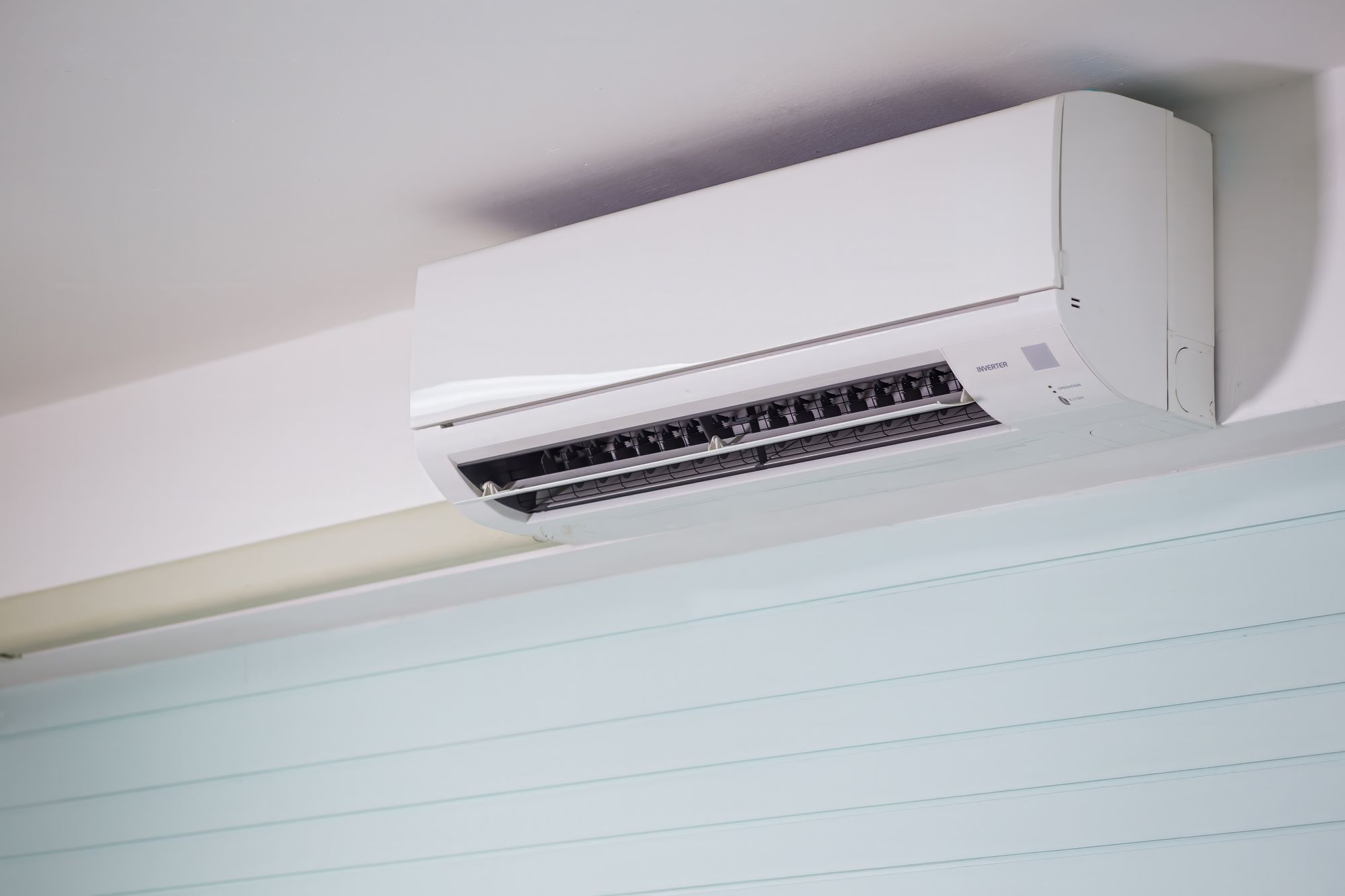
Mini-splits are the long-run winner on efficiency, comfort, and dual heating and cooling, but they require a licensed installer for refrigerant work and often a permit. Window units are the quick, cheap option for a walk-out basement with a standard window. Portable units are a stopgap - less efficient per BTU and noisier than either alternative. Check that your basement circuit can handle the added load before you plug anything in. Oversizing is a common mistake: an oversized unit short-cycles, doesn't dehumidify properly, and wastes electricity.
Step 7: Safety and When to Call a Pro
Comfort isn't just about cool air. Basements have unique safety and moisture issues that aggressive cooling can accidentally make worse. Watch for musty smells or dark spots behind furniture, inside closets and under carpet edges. Those are mold warning signs. Cold supply ducts sweating in humid air drip onto wood framing and slowly cause rot.
Clear "call a pro" triggers:
- Persistent standing water or foundation leaks
- Musty odors that don't get better with a dehumidifier
- An HVAC system that short-cycles or ices up
- Any electrical work beyond changing a plug-in appliance
In counties that use North Carolina's Know Your Zone system, which gives out pre-set evacuation zones (A evacuates first, then B and so on) across 21 coastal counties, and you can search by street address on the NC DPS map, any cooling or electrical changes in a basement that floods easily should be planned with future storms and safe shutdown in mind. Plenty of airflow and moisture fixes are solid DIY territory, but there's no shame in calling an HVAC or waterproofing specialist when the problem is structural or a health risk. If this post has helped your situation, you can drop your ideas or reply in the comments. I'd like to hear what has worked in your place.
FAQ
How Cool Should My Basement Be?
Aim for around 68 to 72 degrees. Your basement will naturally run a couple degrees cooler than the main floor if you have handled airflow and insulation. Consistency matters more than going after a specific number, and keeping humidity at 50 to 55 percent makes that temperature actually feel comfortable rather than damp and sticky.
Can I Use My Basement as a Cool Air Battery?
You might wonder if you can pull naturally cool basement air upstairs with a fan. It can help on mild days, but in a hot, humid summer you mostly just move damp air around. Without proper AC and dehumidification upstairs, you end up with condensation problems rather than real cooling.
Is it safe to close most upstairs vents to push more cool air into the basement?
Closing too many vents raises duct pressure, creates noise and can damage the blower over the long run. Close them only partway, maybe a half turn at a time, and monitor comfort for a few days. If the house stays uneven, have a pro determine the right balance for your system.
Will Cooling the Basement Make Upstairs Floors Cold?
Not automatically. Summer cooling changes do not carry over to the heating season unless you've permanently changed ductwork. You can make seasonal tweaks: open basement registers more in summer, then adjust them back in winter. Area rugs on the first floor can help if floors feel chilly.
Do I need special permits to add a mini-split or new circuits in the basement?
In most cases, yes. Electrical and HVAC work typically requires permits and inspections - this varies by city and county but is important for both safety and resale value if you ever sell. Call your local building department before starting, and let a licensed contractor pull the proper permits for any major install.