How to Cool a Room With No Ductwork (DIY Homeowner Guide)
If you need to know how to cool a room with no ductwork, whether you've got a bonus room that turns into a hot box every June, a finished attic with zero air vents, or an older house that simply never had central air, you need a plan that doesn't involve ripping open walls to run ducts. I've dealt with exactly this in my Wilmington, NC home and I can tell you the right answer depends on your budget, how long you plan to stay, and whether you are fighting heat, humidity or both.
The short answer: If you want reliable cooling without ductwork and you want it to use less energy, a ductless mini split can be the best long-term investment. It can handle both temperature and humidity, it runs quietly and it helps you get away from the 20–30% energy loss from duct leaks that hit traditional central air. But if you need relief today for under $500, a window AC that is the right size gets the job done. Portable ACs work if you rent and can't change the windows. And fans, shade and air sealing are not full replacements, but they make every other option work a lot better.
What Counts as Cooling a Room With No Ductwork?
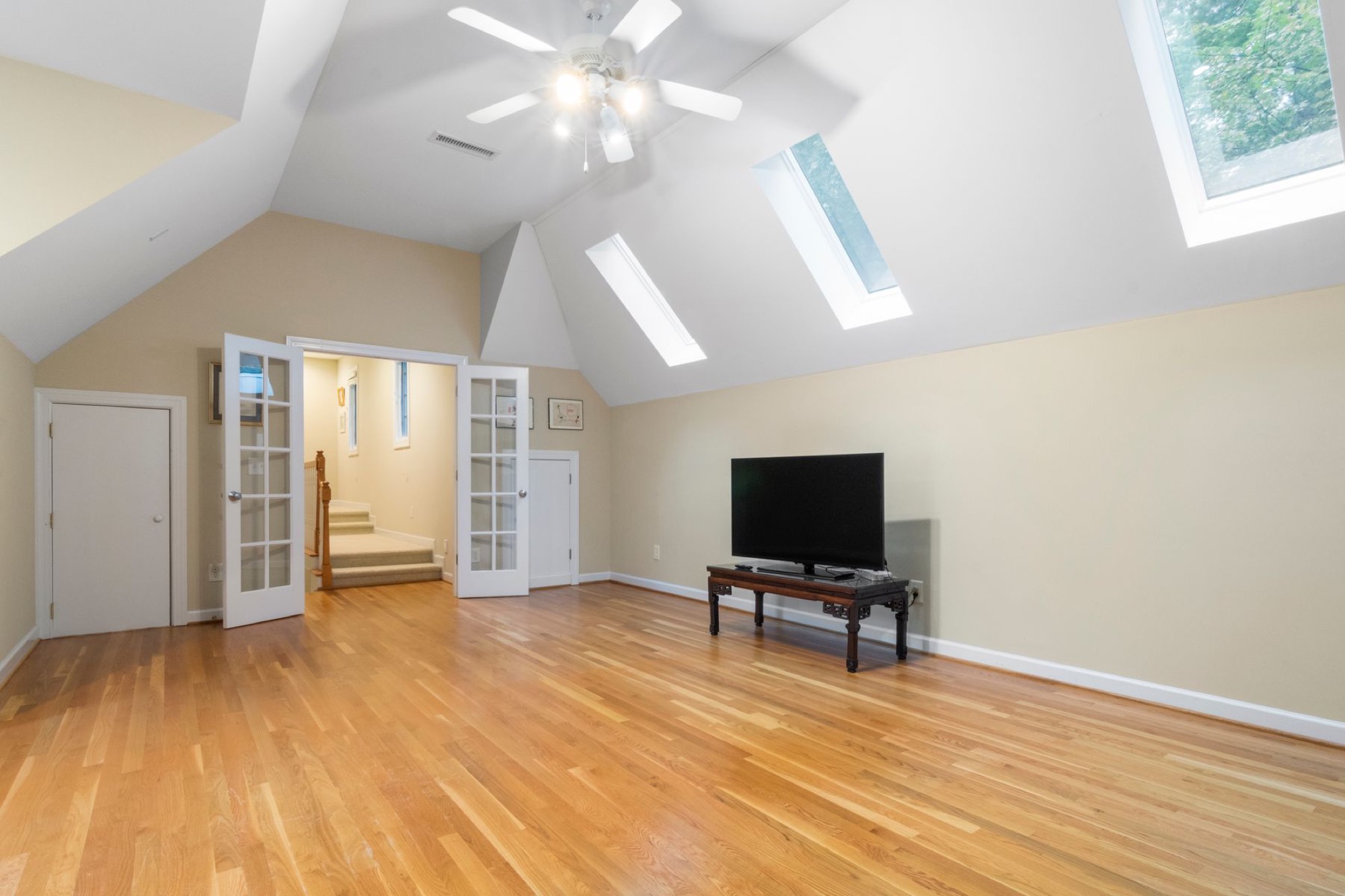
We are probably talking about rooms or entire houses that have no duct systems connecting them to central air. That can mean older homes built before AC was standard, bonus rooms over garages, rooms with a lot of glass, porches that got turned into rooms, finished attics and additions that were added on without extending the existing HVAC. In Wilmington and along the NC coast, many homes that were built before 1990 and small beach houses fall into this category. They either never had central air, or they had systems that were too small and don't reach every room.
Cooling Options at a Glance
| Factor | Ductless Mini-Split | High-Velocity Small-Duct | Window AC | Portable AC | Fans + Shading + Sealing |
|---|---|---|---|---|---|
| Best For | Daily-use rooms; long-term homeowners wanting zoned comfort | Whole older/historic homes needing nearly invisible cooling | Budget fix for one room; seasonal use | Renters; unusual window types; temporary solutions | Supplementing any AC; immediate low-cost relief |
| Upfront Cost (2026) | $3,500–$8,000 per zone installed | $6,000–$25,000+ (room retrofit); $20,000–$40,000 whole-home | $150–$600 | $300–$800+ | $10–$200 for fans/curtains; shading structures $500+ |
| Efficiency / Energy | SEER 18–30+; lowest cooling costs; no duct energy waste | Good; moderate losses if ducts poorly sealed | SEER 10–15; reasonable per-BTU cost | SEER 8–12; highest running cost per delivered BTU | Nearly zero energy cost; no active cooling |
| DIY-Friendliness | Limited - refrigerant and electrical work need a pro | Almost always professional installation | Very DIY-friendly | Very DIY-friendly | Highly DIY |
| Dehumidification | Excellent - inverter technology runs longer, pulls more moisture | Good - colder coils help | Decent if sized correctly | Poor, especially single hose models | None (fans only move air) |
| Typical Noise | 19–30 dB indoors (quieter than a library) | Moderate; depends on register placement | 50–60 dB (noticeable) | Noisy compressor in the room; 50–65 dB | Very quiet (fans) |
The headline takeaway: ductless mini split systems are the long-term workhorse for comfort and efficiency. Window air conditioners are the cheapest, fastest fix. Portable units are the renter's fallback. A high velocity system makes sense when you're renovating an entire house. And fans, shading, and sealing are the low-cost boosters that make everything else work better.
Decisive Factor 1: How Much Cooling You Actually Need (Sizing & Climate)
Sizing matters more than most people realize, and in a humid coastal climate like Wilmington's, where summer temperatures hit the upper 80s to low 90s and overnight lows barely drop into the low 70s, getting it wrong creates real problems. On the hottest afternoons, a unit that is too small runs all the time and never catches up. An oversized unit short-cycles. It cools fast, shuts off and never runs long enough to pull moisture from the air, leaving the room feeling sticky even when the thermostat reads 74°F.
The number to understand is BTU (British Thermal Units), which tells you how much heat the unit can remove per hour. For portable ACs, ignore the big marketing number on the box and look for the SACC (Seasonally Adjusted Cooling Capacity) rating instead. Because of heat leaking back through the exhaust hose and negative pressure pulling hot outdoor air into the room, a portable's real cooling can be 30–50% lower than the advertised BTU figure.
Here's how I'd think about sizing for rooms in Wilmington:
- Small bedroom (~150–250 sq ft) with 8-foot ceilings and small sun exposure: about 5,000–7,500 BTU of effective cooling.
- Bonus room over a garage (~300–500 sq ft) with west-facing windows, poor insulation under the roof, and high ceilings: plan on 12,000–18,000 BTU, plus serious dehumidification capacity.
- Sunroom full of glass: BTU needs can spike well above what the square footage alone would suggest - sun exposure, little insulation and large glazing areas all compound.
Those are rules of thumb. Before you spend several thousand on a mini split or high velocity system, it's a good idea to get a proper Manual J load calculation from an HVAC pro. It accounts for square footage, insulation quality, window exposure, ceiling height, occupancy and orientation, which is everything a label on a box can't tell you.
Winner for precise, whole-space cooling: a ductless mini split paired with a Manual J calculation. The trade-off is more planning and help from a pro, versus the quick-and-dirty sizing that is printed on a window or portable unit's packaging.
Decisive Factor 2: Upfront Budget vs Long-Term Energy Bills
Here are realistic 2026 installed costs:
- Ductless mini-split (single zone, 9,000–12,000 BTU): $3,500–$6,000 installed. Larger zones (18,000–24,000 BTU) can run $4,500–$8,000. Systems with several indoor units cost more.
- High-velocity small-duct system (whole home, 1,500–2,500 sq ft): $20,000–$40,000 installed, with most running about $29,000 on average. Limited single-room updates can start as low as $1,200–$5,000.
- Window AC units cost $150–$600 depending on capacity and efficiency.
- Portable AC units: $300–$800+.
Now look at what they cost to run. How efficient are ductless mini-splits? They can achieve SEER ratings of 18 to 30+, and many are ENERGY STAR® certified. They deliver conditioned air directly to rooms, which gets rid of the 20–30% energy loss from duct leaks that traditional systems suffer. Compared to older or less efficient equipment, a ductless system can cut cooling costs by 25–40%. Window ACs usually have SEER ratings of 10 to 15. Portable ACs generally have SEER ratings of 8 to 12, and they are often louder and less efficient than window units.
A concrete example: cooling a 500 sq ft room for five months in coastal NC. Running 8 hours a day at SEER2 ~20, a mini-split might cost around $25–$29 per month, or about $343/year including some heating use. With a CEER around 11, a mid-range window unit will use a lot more electricity for the same cooling. A portable AC, especially a single-hose model, will cost the most in monthly utility bills because its effective cooling per watt is the lowest of the three.
And don't forget incentives. NC's Energy Saver NC plan, started in January 2025, provides rebates for heat pumps, including mini split systems. For homeowners under ~80% of area median income, rebates can reach up to $8,000 for a whole-home heat pump installation, and additional rebates cover insulation and wiring upgrades. That can knock 30–50% off the installed cost of a ductless system.
Winner on lifetime cost: ductless mini-split (if you'll be in the home 5+ years). Window units win for very tight budgets or short-term living situations where upfront cost is everything.
Decisive Factor 3: Installation Disruption, Aesthetics and DIY-Friendliness
Fans, shade, sealing: This is the ultimate DIY territory. No permits, no holes, no noise complaints from neighbors.
For NC-specific concerns: here in Wilmington's windborne debris region, exterior glazing must be protected to the ASTM E1996/E1886 large-missile test, or with cut-to-size wood structural panels at least 7/16 inch thick covering no more than 8 feet, with permanent corrosion-resistant attachment hardware already installed. That means anything attached to or through a window, including window units and portable AC window panels, shouldn't get in the way of your ability to put storm protection up quickly. Outdoor condenser units for ductless systems need proper pads and tie-downs to handle coastal storm loads. And if you are in a historic district, check rules about visible condensers or room specific units hanging out of street-facing windows before you start drilling.
Solution 1: Ductless Mini-Split Systems (Best All-Around Fix)
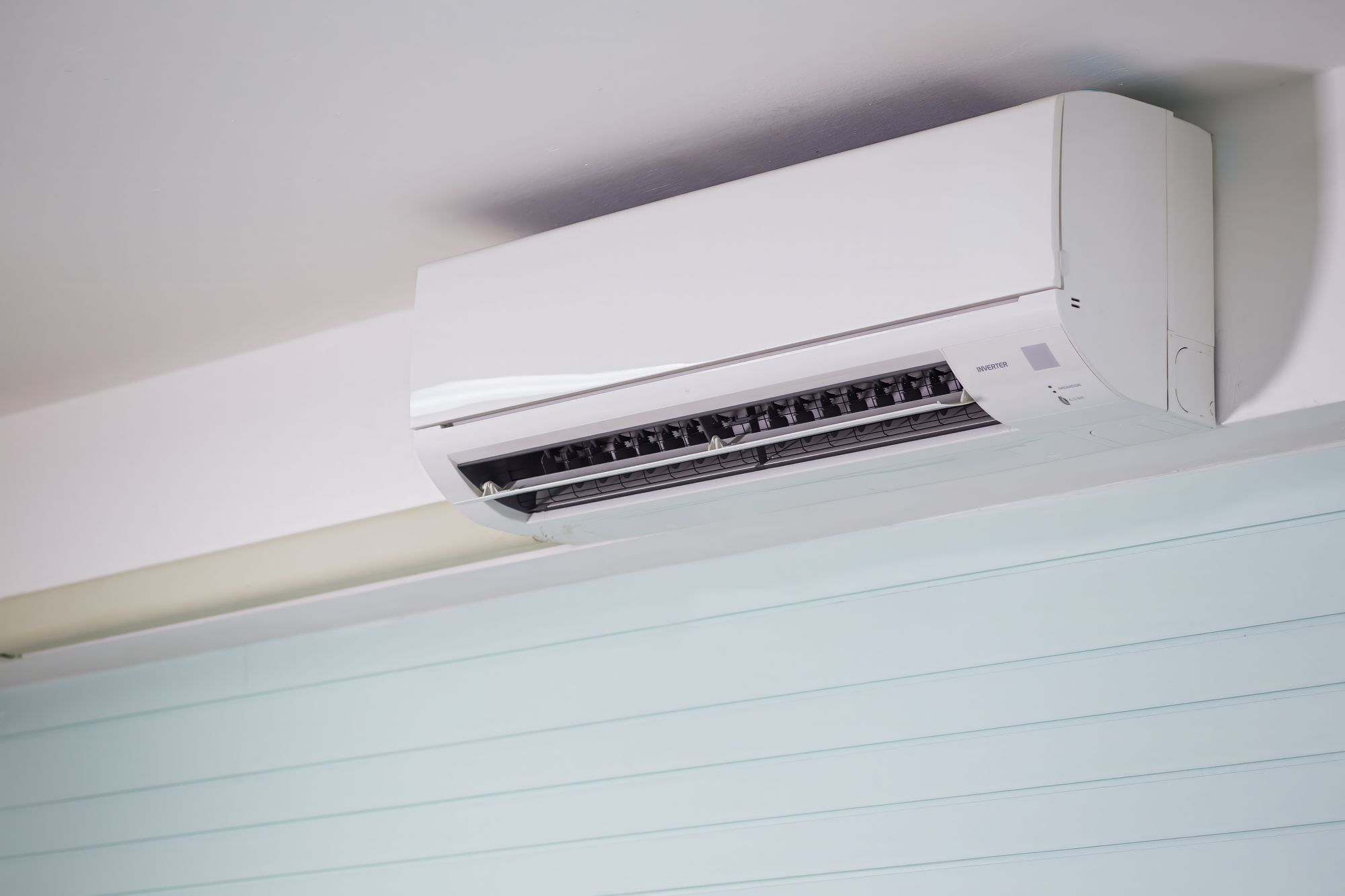
The main components are simple: an outdoor condenser (compressor + condenser coil), one or more indoor units (the air handlers mounted on the wall, ceiling or floor), and refrigerant tubing that connects them through that small conduit in the exterior wall. Because there's no traditional ductwork, ductless systems get rid of 20–30% energy loss from duct leaks. That is the kind of energy waste that makes traditional central air systems struggle in hot, humid climates.
- Efficiency: Ductless mini-splits can achieve SEER ratings of 18 to 30+, far above window units or portable units. Many use inverter technology to change compressor speed, running longer at lower output instead of cycling on and off. That means better dehumidification and lower cooling costs.
- Quiet operation: Ductless units operate at 19 to 30 decibels, which is quieter than a library. Compare that to window units at 50–60 dB.
- Zoned cooling: Each indoor air handler has its own thermostat, so you can keep the bonus room cool without freezing the rest of the entire house. Ductless systems can connect several indoor units to one outdoor unit for multi zone systems.
- Year round comfort: Ductless systems can provide both heating and cooling efficiently. Most units are heat pumps with real heating capacity, useful in NC's in-between seasons and mild winters.
- Longevity: A ductless mini-split can last 15 to 20 years with maintenance. Clean filters regularly, keep the outdoor condenser clear of debris, and schedule regular maintenance checks.
- Improved air quality: Many ductless models include multi stage filtration that improves indoor air quality compared to window units or portable units that move air around without much filtering.
Installation and code considerations:
You'll need a dedicated electrical circuit (often 240V), and refrigerant handling must be done by a licensed HVAC contractor. Ductless mini-splits can be installed in homes without existing ductwork - that is their whole purpose - but professional installation is essential for code compliance, especially the electrical connections. Route the condensate drain properly: to daylight or a pump, never letting it pool against the foundation. In coastal NC, mount the outdoor condenser above expected water levels in heavy rains and secure it against storm loads.
- The room sits above a sealed crawl space where duct runs would be tricky. In NC closed crawl spaces, foundation vents are not allowed and the ground needs at least 6-mil polyethylene with seams overlapped 12 inches, sloped to drain to daylight or a sump. Adding ducts there is a serious project.
Solution 2: High-Velocity Small-Duct Systems (For Whole Older Homes)
Using a central air handler, a high velocity system pushes conditioned air through 2-inch flexible ducts run through closets, soffits and joist bays, feeding small round outlets in ceilings or high on walls. The result feels like central air but without the big rectangular trunk lines and soffits that eat up room space.
- Nearly invisible: small outlets blend into ceilings or crown molding areas, which is good for historic homes where you want to keep original interiors the way they are.
- Good dehumidification: the colder coils and higher air velocity pull more moisture out of humid NC air than some conventional systems.
- Cools multiple rooms or entire floors from a single air handler.
- It's expensive. Whole-home installs for 1,500–2,500 sq ft usually run $20,000–$40,000. Even a limited single-room update can cost $1,200–$5,000 depending on how complex the duct routing is.
- This is almost always a pro job. It needs skilled layout, careful duct sealing and often some cutting and finish repair.
- Technically, it is ductwork, just much smaller. So it's more of a whole-house update than a single-room fix.
When it's worth considering: You are renovating an older two-story home, you want comfort in every room, you do not want to see bulky chases or visible ductless units on the walls, and the budget lets you go with a premium approach. If you are already tearing into walls for other work, the extra cost of adding a high-velocity system drops a lot.
Solution 3: Window Air Conditioners (Classic, Budget-Friendly)
- Low upfront cost: $150–$600 covers most capacities from 5,000 to 14,000 BTU.
- Available at any big-box store. Most units can be installed in under an hour with basic tools.
- Good spot solution for a guest room, home office or bonus room used on weekends.
- Window ACs usually have SEER ratings of 10 to 15, which is not as efficient as ductless, but reasonable for the price.
- Noise: 50–60 dB is typical. You'll hear the compressor cycling.
- You lose part of the window, and a poorly secured unit is a potential security risk.
- May break HOA or historic-district rules for front-facing windows. Check before you hang one.
- In coastal NC, any window-mounted equipment can't interfere with needed storm protection. Make sure you can still put your impact panels up quickly.
- Use proper brackets and support the weight. Don't rely on the window sash alone, especially for units over 10,000 BTU.
- Seal gaps around the unit with foam weatherstrip to keep hot outdoor air and bugs out. In Wilmington's humidity, any gap is an open door for moisture infiltration.
- Slope the unit very slightly outward so condensate drips away from the wall, not back toward siding or into the room.
- Check the unit's amperage against your circuit. Most window units draw 5–15 amps. If you are on a 15A circuit in an older house with other loads, you're asking for tripped breakers. Never use an extension cord or power strip.
Solution 4: Portable Air Conditioners (Flexible but Less Efficient)
- Best option if you rent and can't change windows or drill through walls.
- So how much disruption is there? Just a window panel and hose, no holes through the exterior wall.
- Easy to move between rooms as seasons and needs change.
- Portable air conditioners are often louder and less efficient than window units - the compressor sits right in the room with you.
- Single hose models are the worst offenders. They exhaust conditioned air out the hose, creating negative pressure that pulls hot outdoor air in through every gap and crack in the room. Dual-hose designs are better but still less efficient than window units of similar capacity.
- Portable ACs generally have SEER ratings of 8 to 12.
- Floor space: most units take up a couple square feet and need clearance around them.
- Look at the SACC rating, not the big BTU number on the box. SACC tells you the actual delivered cooling after you account for hose losses and infiltration.
- Choose dual-hose models when possible. They don't create the same negative pressure problem.
- Keep the exhaust hose as short and straight as possible. Every extra foot or bend adds heat back into the room.
- Seal the window panel tightly. In Wilmington's humidity, a loose panel might as well be an open window.
- In NC humidity, condensate tanks can fill surprisingly fast. Self-evaporating designs reduce the hassle, but check the tank often in the first few days to learn your room's moisture load.
Solution 5: Fans, Shading and Home Upgrades (Boosters, Not Full Replacements)
- Hot crawl spaces and attics load rooms with heat and moisture from below and above. NC code requires vented crawl spaces to have 1 sq ft of net vent area per 150 sq ft of crawl floor, or 1 per 1,500 sq ft when the ground is covered with a vapor retarder and the vents give cross-ventilation. If your crawlspace ground is bare dirt, heat and moisture are constantly pushing up into the floors. In a sealed crawl space, where foundation vents are prohibited, the ground must be covered with at least 6-mil polyethylene, seams lapped 12 inches, graded to drain to daylight or a sump. Getting crawlspace moisture under control is a pro job, but it makes every cooling system above work better.
- Can closing windows at night when outdoor air is cooler help cool indoor spaces? It can, but only when overnight temps actually drop. Some August nights in Wilmington barely get below 75°F.
DIY vs Pro: When to Call in Help
Some ductless cooling solutions are great DIY jobs. Others cross into electrical, structural or refrigerant work that should be permitted and professionally done.
- Installing and sealing window ACs and portable AC window kits, with attention to safe mounting, proper drainage and electrical safety.
- Simple electrical checks like checking outlet condition and circuit capacity, if you're comfortable and it's within code.
- Installing ductless mini-splits or high-velocity systems. Refrigerant work, electrical connections and mounting all need licensed contractors.
- Whole-house electrical capacity questions: if you have an older 60A or 100A service, adding multiple cooling units might overload the panel.
NC permitting note: Don't assume you can skip permits for new AC equipment. NC's permit exemption for replacing a water heater like-for-like only applies when a licensed plumber does the work and checks the gas piping with a leak test. It does not extend to new AC installations. Plan on permits for mini-splits or major electrical work. Even if you're thinking DIY for simpler tasks, it is a good idea to get at least one quote from a local HVAC contractor. They can run a load calculation, explain your options for your specific room, and give you a realistic number so you're making an informed choice.
Which Cooling Approach for Your Ductless Room?
- Choose a ductless mini-split if: it's a space you use daily, you own the home and expect to stay at least 5 years. You want quiet, energy efficient zoned comfort plus possible year round comfort with heating. With rebates through Energy Saver NC and federal incentives, the net cost is more accessible than the sticker price suggests.
If I had a really hot room in my Wilmington house right now, here's what I'd do. I'd buy a decent window unit or portable this week to survive the rest of summer, then schedule a consultation for a ductless mini split before next year's heat sets in. That gives me time for a proper load calculation, permits and maybe getting a rebate. In coastal NC, planning around humidity is just as important as going after a number on the thermostat. At 74°F with 70% relative humidity, a room still feels awful, and only the right equipment running the right way fixes that.
Frequently Asked Questions About Cooling Rooms With No Ductwork
Are Window or Portable ACs Safe on Older Wiring?
It depends on the circuit. Most window units draw 5–15 amps. On a dedicated 15A circuit, a small 5,000 BTU unit is usually fine. But if you're sharing that circuit with lamps, a TV and a space heater, you'll trip breakers or worse. Practical safety checks: feel the outlet after 30 minutes of runtime (warm is a warning sign), watch for frequent breaker trips, and never run an AC on an extension cord or power strip. Adding multiple high-draw appliances on the same circuit, like a portable AC, a microwave and a space heater, is asking for annoying trips and potential hazards. If the outlet feels hot or the breaker trips more than once, call an electrician before you plug it back in.
Do Crawlspace or Attic Conditions Matter for One Room?
Yes. A hot attic radiating heat through your ceiling or a damp, poorly vented crawl space pushing moisture up through the floor can make any cooling solution fight an uphill battle. NC code requires specific ventilation for crawl spaces, and in sealed crawl spaces the ground must be properly covered and drained. If your floor always feels warm or the room smells musty, have a pro inspect the crawl space and attic insulation before you invest in more powerful cooling equipment. Treat the house as a system. Fixing air leaks and moisture problems often makes a modestly sized AC work well enough that you do not need to oversize. That saves money on both the equipment and the monthly utility bills.