How to Cool a Shed: A DIY Homeowner's Guide
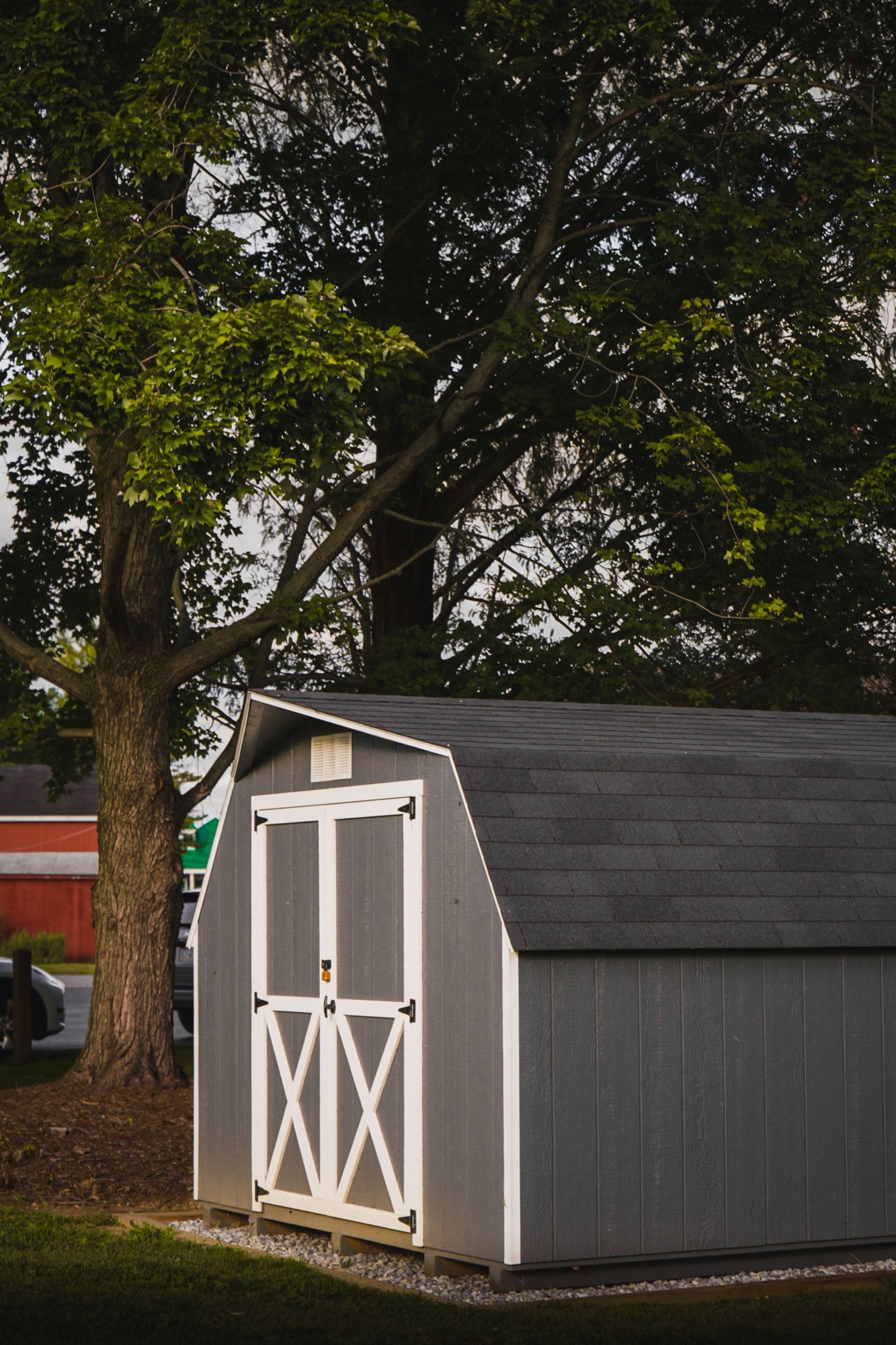
If you want to know how to cool a shed, I'm Ken, a DIY homeowner in Wilmington, North Carolina and my shed used to feel like a pizza oven from May through September. You've probably opened a shed door in summer and felt that wall of heat hit you, so you might know exactly what I'm talking about. There is a clear path from bad to comfortable though, and most of it is stuff you can do yourself. Here's what I've learned.
Key Takeaways
- You should start by going after heat at the source: upgrade the shed roof, add shade and seal obvious gaps before you spend money on cooling equipment.
- Proper ventilation alone can drop the temperature in a shed by 15–20 degrees, and it's usually the first project I'd recommend.
- For serious year-round comfort in a workshop-style shed, you might get the best balance of cost and performance from a mini split system or a portable AC that is sized well.
- Insulation in the roof, walls and door can cut heat transfer so your cooling solutions don't have to work overtime.
- In coastal North Carolina where the design wind speeds are 140–150 mph, you need to plan for wiring, permits and hurricane-grade construction.
Why Sheds Get So Hot
A small shed with no insulation that sits in direct sunlight can act like a solar oven. On a 90°F summer day here in Wilmington, the temperature inside a shed with no vents and a dark roof can easily hit 110–130°F. Here's why:
- A dark shed roof and thin siding are great at absorbing sunlight and bad at letting heat escape. That radiant heat from the roof deck is likely the single biggest source of heat buildup.
- Without proper ventilation, hot air can pool under the roof peak and in corners. Metal and plastic sheds are especially bad because they seal tight with no natural airflow.
- Many pre-built sheds sit on skids or blocks, so hot air under the floor goes up into the space too.
The basic cooling plan always has three parts: you reduce heat gain with roof upgrades, shade and sealing. You can improve airflow with natural ventilation and fans. Then you can add active cooling with portable air conditioners or mini split systems only if you need it.
Upgrade or Vent Your Shed Roof First
The roof is where most of the battle gets won or lost. In a Texas A&M study, a light-colored metal roof produced peak attic temperatures about 23°F lower than a dark asphalt shingle roof. Light-colored roofing materials can reduce internal temperatures by 10–15 degrees on their own.
- Add ridge vents and soffit vents. Installing ridge vents helps natural convection: cooler air enters low through soffits, and hot air leaves high through the ridge. This creates proper ventilation without using any electricity.
- Compare materials. Dark asphalt shingles do absorb the most heat. Light shingles are better. For keeping a shed cool, a reflective metal roof with a light finish is ideal.
- Install a radiant barrier. Foil-faced foam board under the rafters creates a thermal barrier that reflects radiant heat back out through the roof deck. Installing radiant barriers reduces radiant heat penetration a lot, but you must maintain an air space for them to work.
- Watch local codes. Any roof work in high-wind zones like New Hanover County should respect design wind speeds of 140 mph west of U.S. Highway 17 and 150 mph east of it under the 2018 NC Residential Code, which is still in effect.
Improve Natural Ventilation and Airflow
Natural ventilation is the cheapest effective solution for keeping a shed cool, and proper ventilation reduces heat buildup inside your shed a lot. In side-by-side shed tests, adding ridge vents plus soffit intake with holes dropped peak interior temps from 134°F to about 98°F-a reduction of over 35°F.
- Cross-breezes. On opposite walls, you can install vents or windows. Even holding doors open or adding a screen door creates air circulation that lets hot air escape.
- Gable vents. Gable vents create cross-ventilation for hot air escape. Size them so cooler air enters low and hot air goes out high. On still days, a properly sized exhaust fan can reduce shed temperature by 15–20 degrees.
- Solar-powered fan. On humid days with no wind here in coastal NC, passive airflow stops. A small solar-powered gable fan gives air movement a boost without adding to your power bill.
Natural airflow prevents humidity buildup and mold growth, which is essential in a coastal climate where stored items like tools and paint are at risk.
Insulate Walls, Ceiling and Door
Insulation does not cool the shed by itself, but it cuts heat transfer so every other cooling method works better. Proper insulation reduces internal temperatures by 20–30 degrees, and insulating walls and ceilings helps keep hot air out during peak summer hours.
| Insulation Type | Best For | DIY Difficulty |
|---|---|---|
| Fiberglass batts | Stud walls, rafters | Easy |
| Rigid foam board | Roof deck, thin walls | Moderate |
| Spray foam kits | Gaps, irregular framing | Moderate–Hard |
- Start with the ceiling or roof deck, since that's where most solar heat enters. Walls next, then floor if budget allows.
- Air seal everything. Caulk and weatherstripping around doors, windows and panel seams prevent hot air from getting in through gaps.
- Upgrade the door. A pre-hung insulated exterior door is a great improvement over the thin plywood doors many shed builders install. Insulation acts as a thermal barrier against heat radiation, and quality insulation lets smaller cooling systems maintain comfort.
Cooling a Shed: Fans, Portable AC and Mini Splits
Before you plug in any cooling gear, confirm your shed has safe wiring and sufficient power. If you're unsure about capacity, it's a good idea to call an electrician-it's not worth a fire.
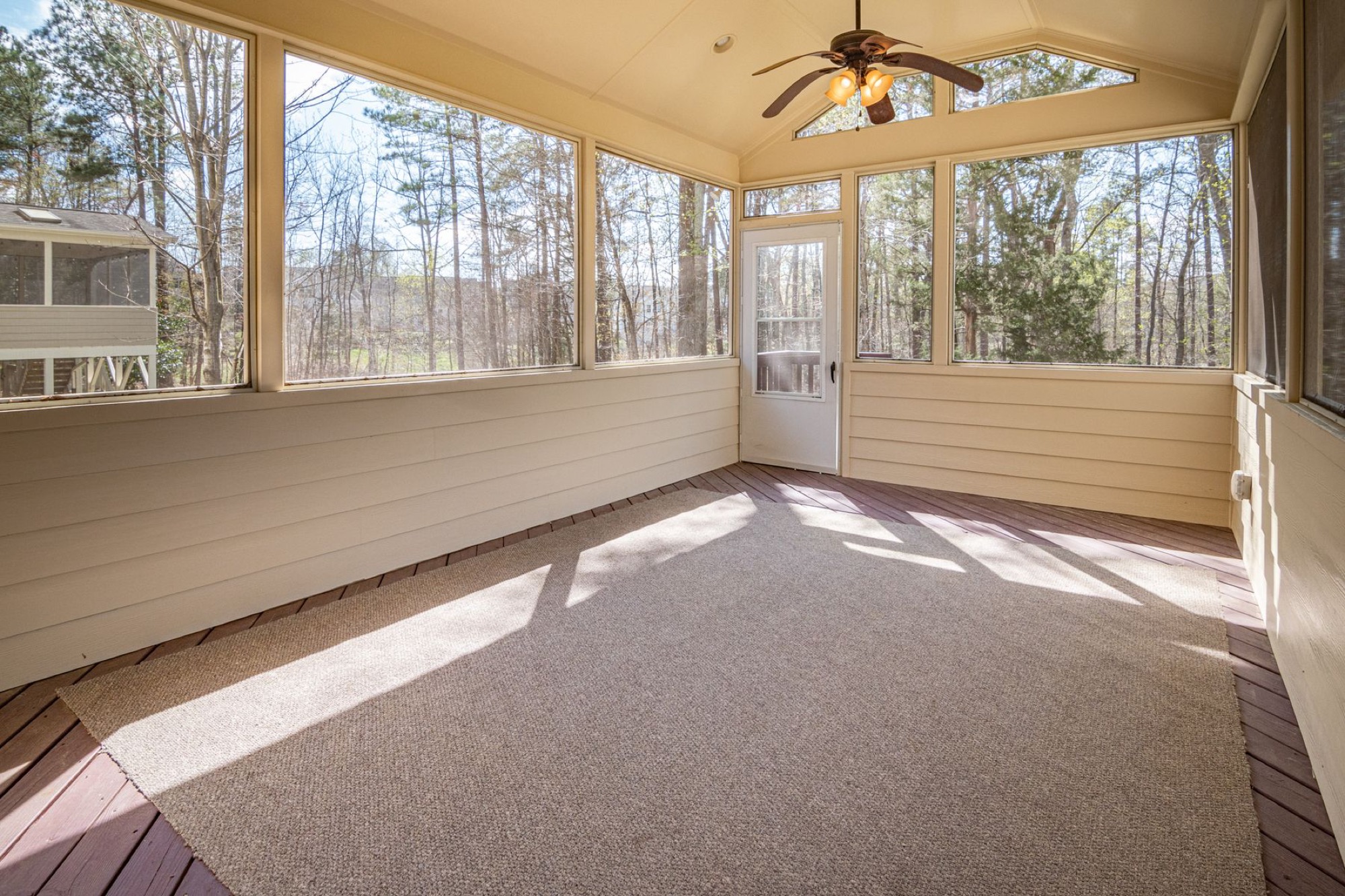
- Fans. A box fan, fan that moves back and forth, or ceiling fan increases air movement and makes the space feel cooler even when the shed's temperature has not dropped much. They're cheap, they're effective and they're the first route I'd try.
- Portable AC and window units. Portable air conditioners do offer immediate cooling relief. For a poorly insulated shed, size at 25–30 BTU per square foot. A 120 sq ft shed might need an 8,000 BTU unit. Vent the hot exhaust properly through a wall or window-never back into the interior.
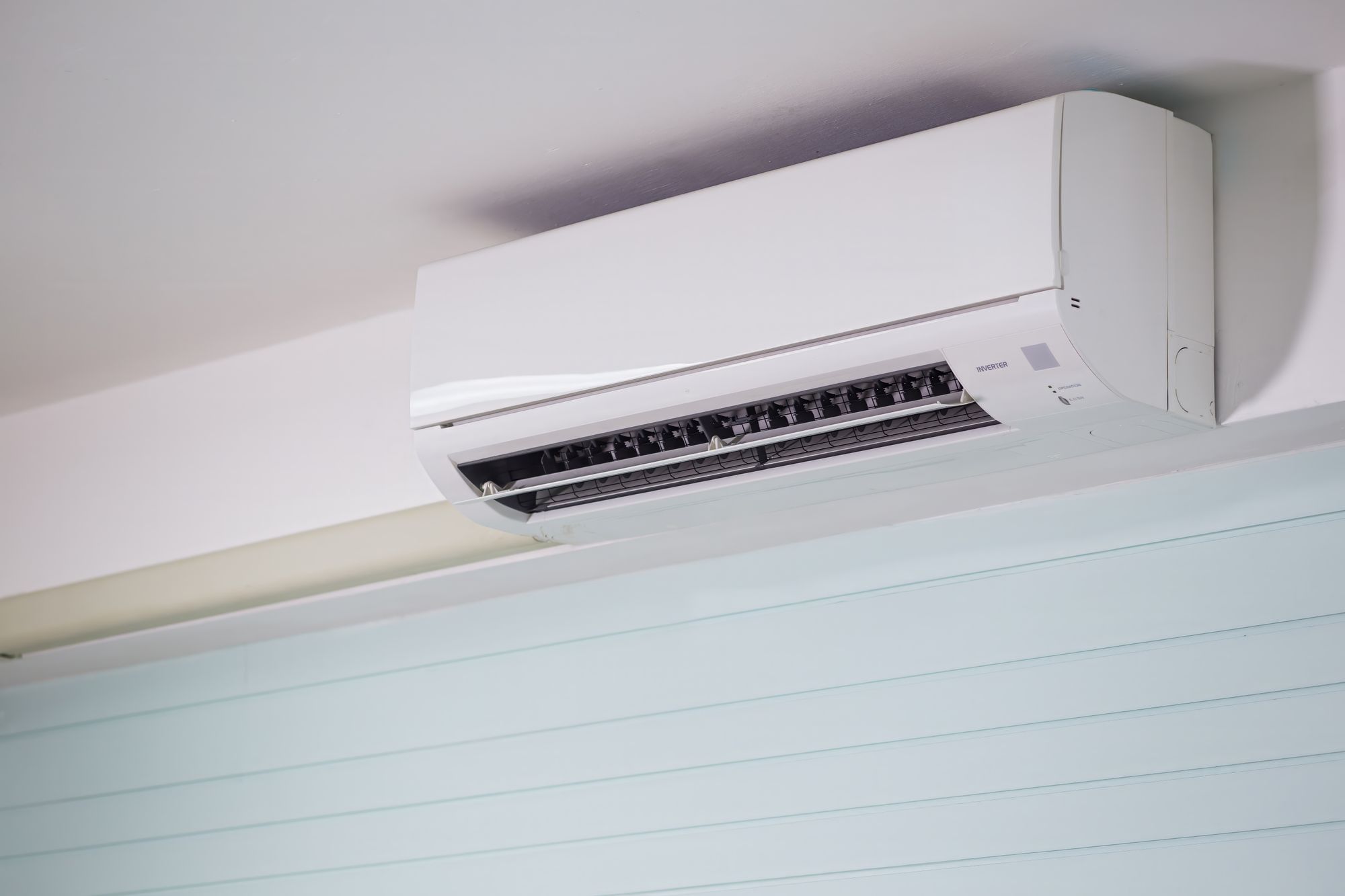
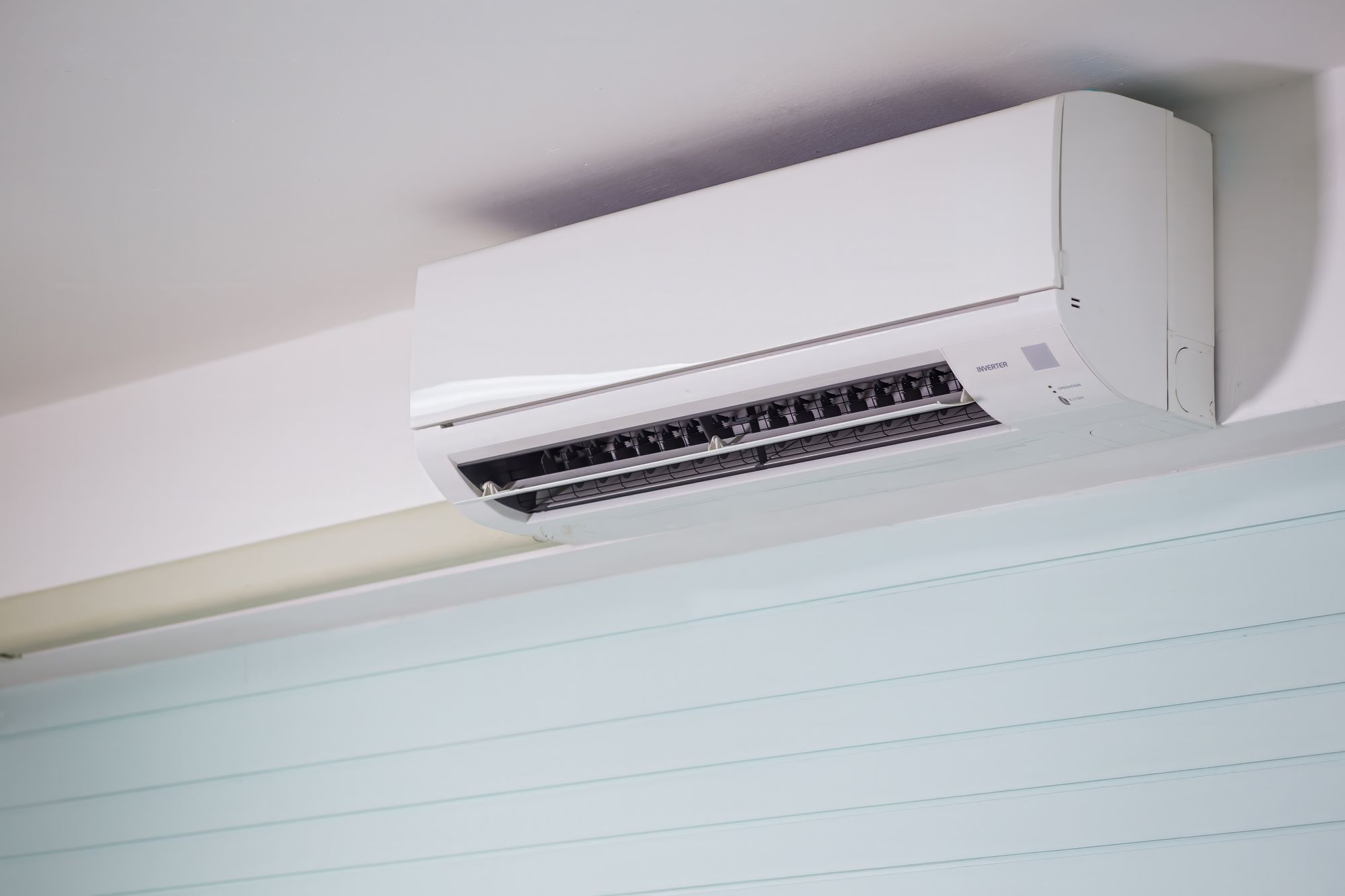
- Mini split systems. Mini-split systems have great energy efficiency for sheds used as a workshop or home office. They are quiet, they handle humidity well and they give you flexibility for heating in winter too. Expect to pay $2,300–$5,500 installed in the Wilmington area for a single-zone unit.
- Swamp coolers work well in low-humidity environments like Arizona, but in coastal NC they just add moisture. Skip them here.
| Shed Size | Minimal Insulation | Good Insulation + Vents |
|---|---|---|
| 80 sq ft | \~6,000–8,000 BTU | \~5,000 BTU |
| 120 sq ft | \~8,000–10,000 BTU | \~6,000–8,000 BTU |
| 200 sq ft | \~12,000–14,000 BTU | \~8,000–10,000 BTU |
Cooling Without Electricity: Passive and Low-Tech Options
Even if your shed is off-grid or just used for seasonal storage, you can still bring temperatures down a lot.
- Paint it light. Light-colored paint does reflect sunlight, reducing heat absorption. A white or light-tan exterior on both walls and roof makes a noticeable difference.
- Add shade. Creating shade around your shed blocks direct sunlight. Shade from trees and awnings can block solar heat gain on the south and west sides. Awnings can reduce surface temperatures by 20–30 degrees, and installing awnings or shades can help prevent solar heat from entering through windows. Landscaping that is planned well provides natural cooling for your shed over time as trees grow.
- Ventilation without power. More vents, screened openings and roof turbines keep air moving on days with a breeze.
- Night purge. You can open windows and doors after the sun goes down to flush heat, then close up in the morning to trap cooler air inside. This works best when humidity is lower.
- Dampen the ground. Dampening the ground around the shed can provide evaporative cooling on dry days-a low-tech trick that actually helps prevent heat from going up off hot gravel or concrete.
Wiring, Safety and Calling a Pro
Once you move beyond a simple fan, you need to think about permanent wiring and code compliance.
- Dedicated circuit. Have an electrician run a dedicated 20A circuit from your main panel to the shed. Size it for future loads-a mini split or portable air conditioners draw real power.
- Safety essentials. GFCI protection, outdoor-rated wiring and proper grounding are non-negotiable. If you're not comfortable with electrical work, hire a licensed electrician.
- Wind zone requirements. Under the 2018 North Carolina Residential Code, sheds in New Hanover County's 140–150 mph wind zones may face extra structural and tie-down requirements for roof-mounted equipment. The 2024 version isn't in effect yet-it takes effect 12 months after the State Fire Marshal okays publication and the new Residential Code Council is formed.
- HVAC pros. You'll want to call an HVAC pro for mini split sizing, refrigerant work and any time you spot moisture or mold from poor ventilation.
Common Questions About Cooling a Shed
What's the cheapest way to cool a shed I only use occasionally?
Start with shade-a shade sail or awning over the roof costs under $50. Next, add roof venting with ridge and soffit vents. Then use a box fan when you're in there. Each layer adds a lot of bang for the buck before you spend money on an AC unit. I'd follow that priority list before anything else.
Portable AC on an Extension Cord?
Generally, no. Most portable air conditioners do draw 8–15 amps. A long or small extension cord causes voltage drop, overheating and fire risk. Use a dedicated 15–20A circuit with the unit plugged directly into a wall outlet. If you don't have an outlet in the shed, that is a sign you need an electrician to run one.
How do I keep tools and paint from spoiling in a hot shed?
High temperatures speed up chemical breakdown in paints and finishes, and metal tools rust faster in heat plus humidity. If your shed regularly exceeds 100°F, move sensitive materials into conditioned space. For the building itself, adding insulation and a dehumidifier is the most effective solution for protecting stored items long-term.
How do I balance ventilation with keeping pests out?
Use fine-mesh insect screens over every vent and window opening. Install door strips and seal panel seams with caulk to close gaps. Place low wall vents at least 12 inches above ground to keep rodents out and avoid rain spray. You can get the airflow you need without creating an open door for critters.
I hope this gives you a clear route from a hot shed to a comfortable work area. Start with the free and cheap stuff-shade, vents, sealing-and work your way up. I'm glad to say my own shed went from too hot to use to a space I actually enjoy working in. Most of that project happened over a single weekend.